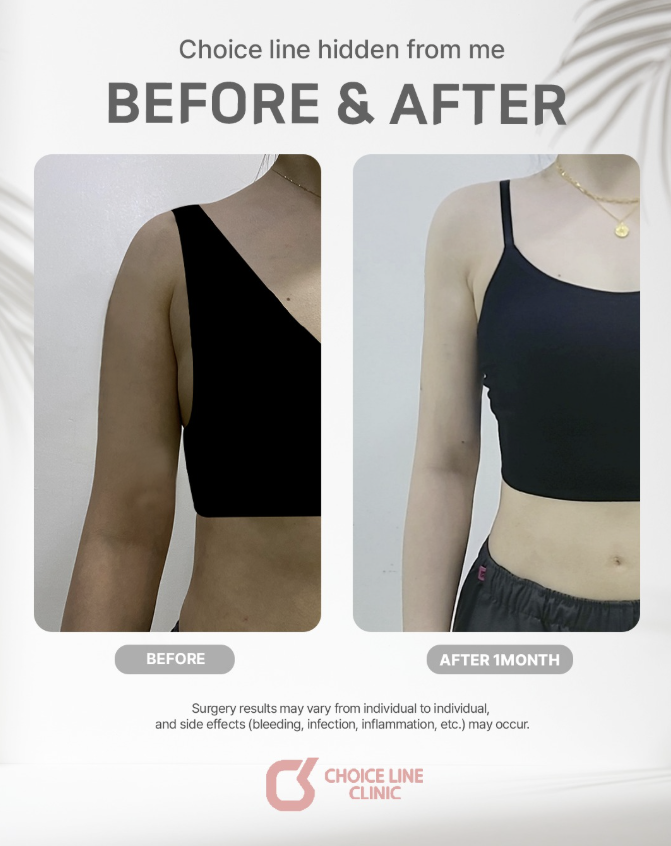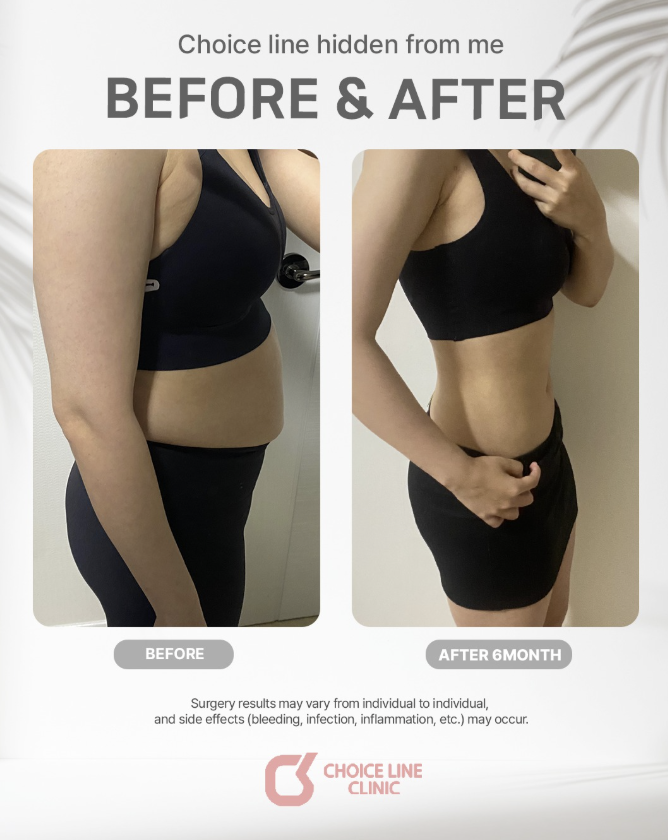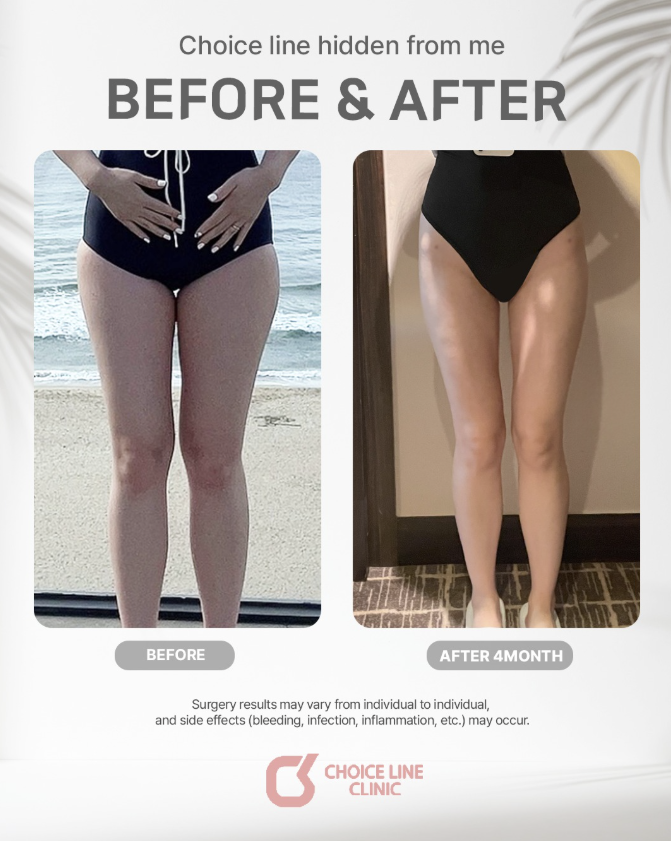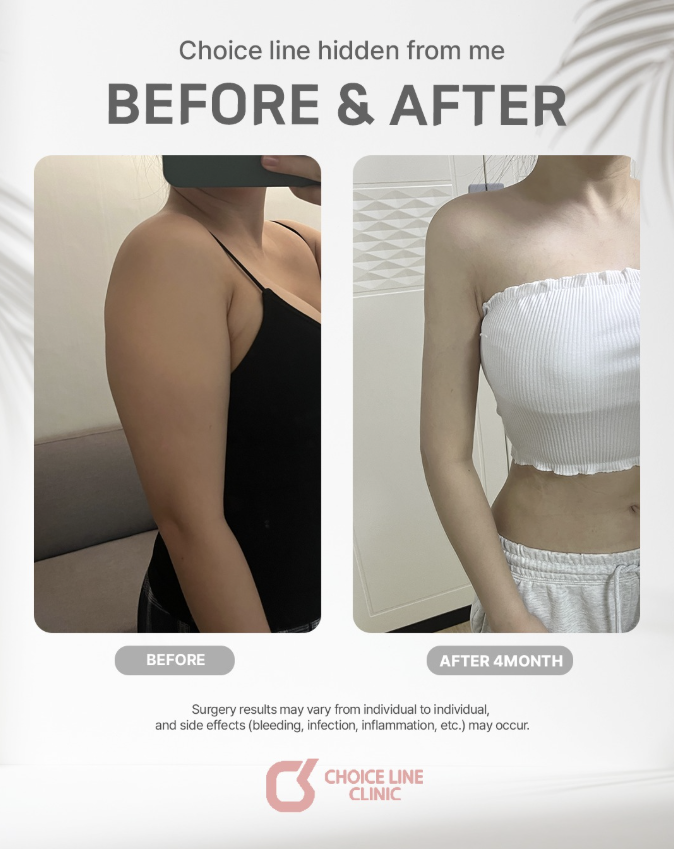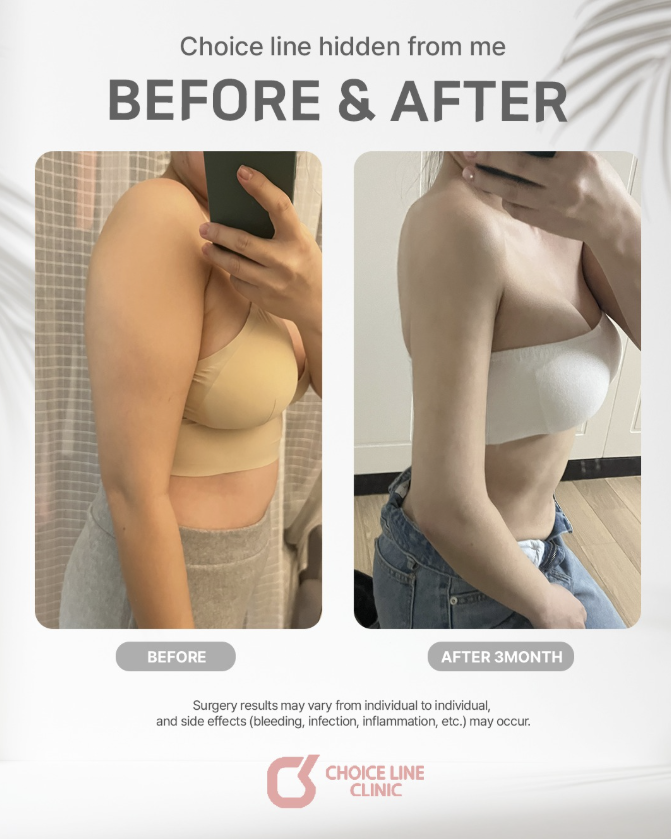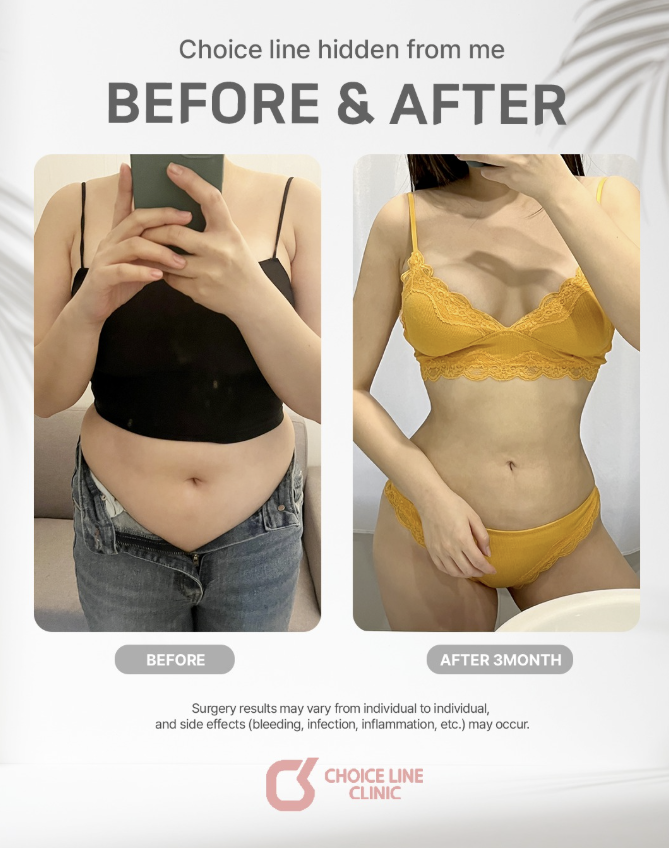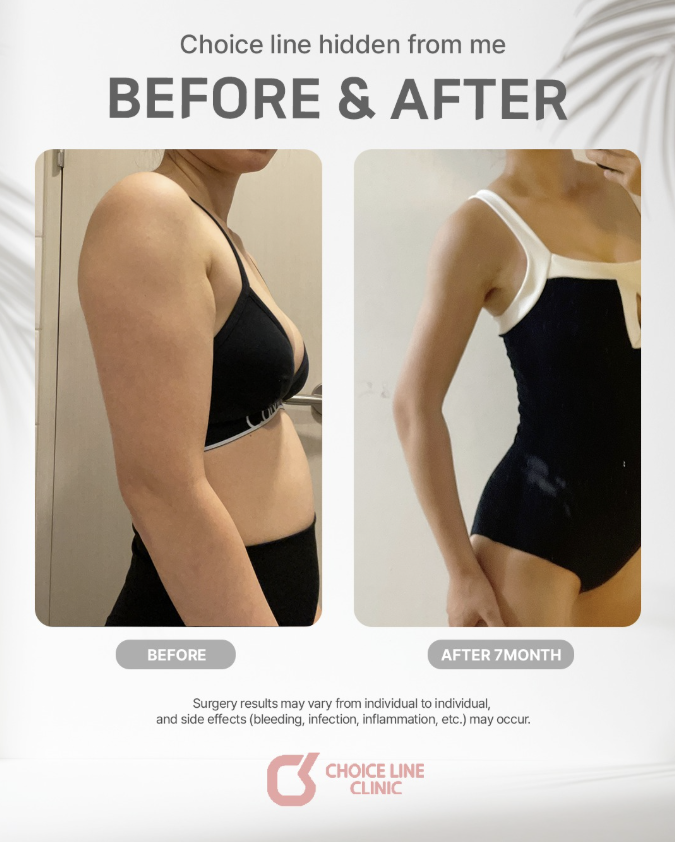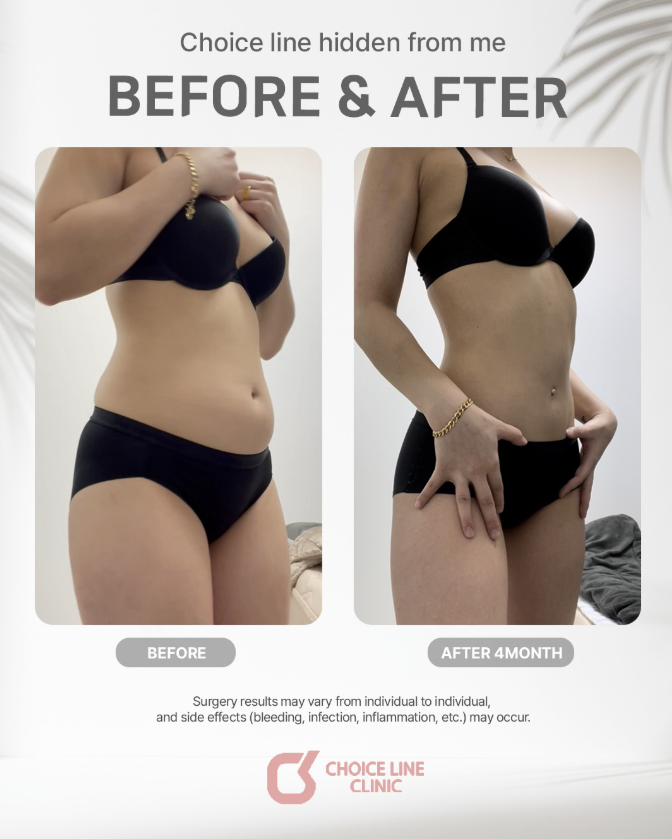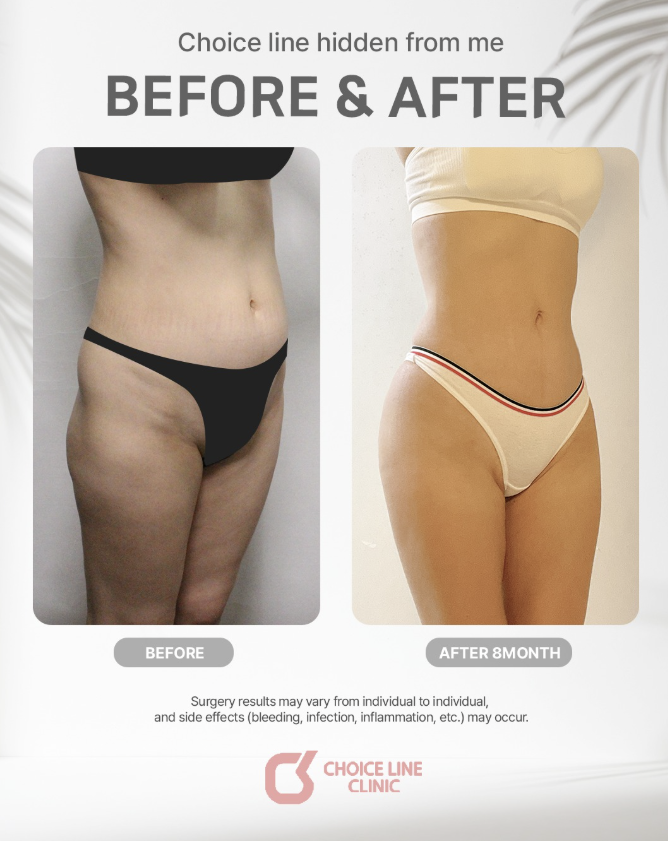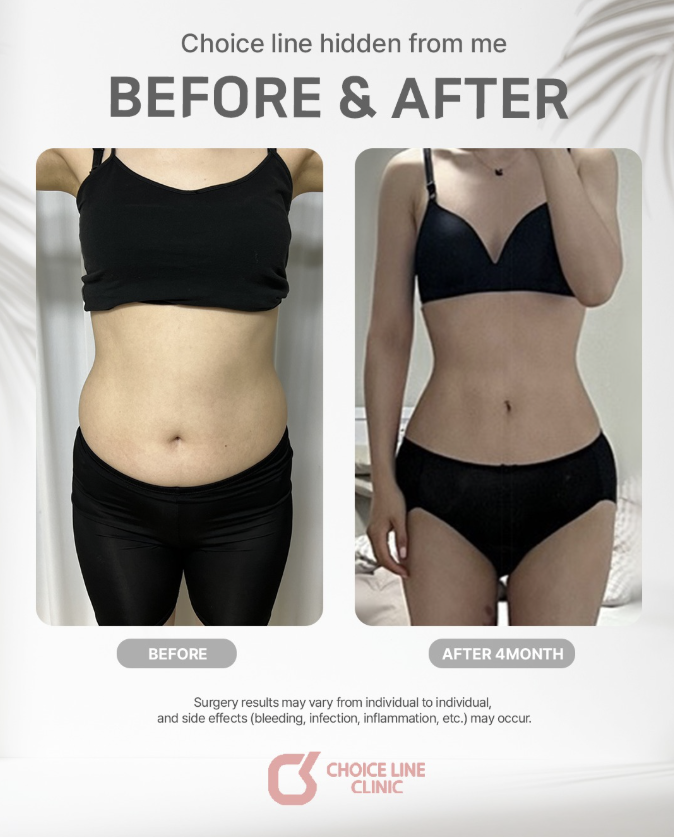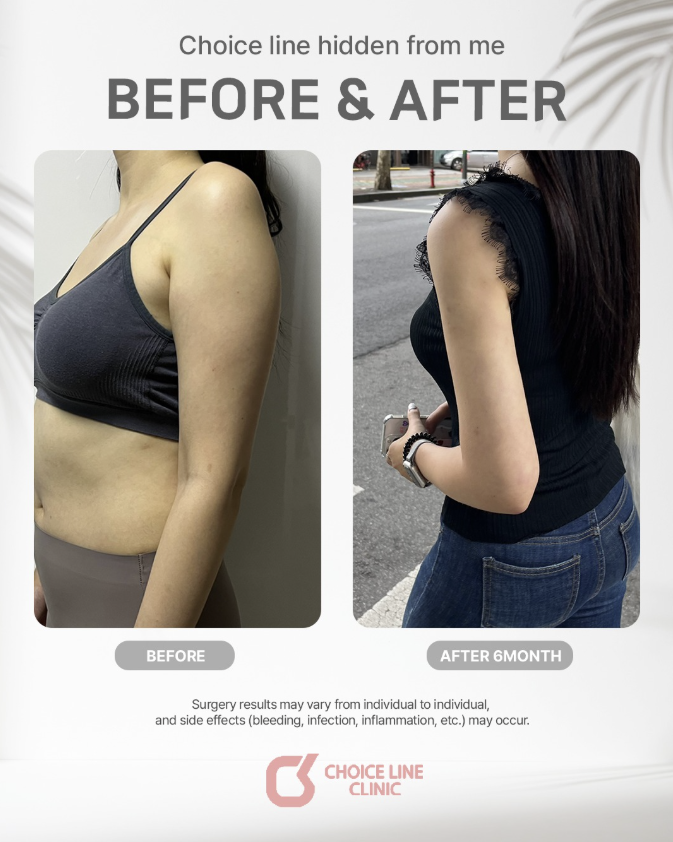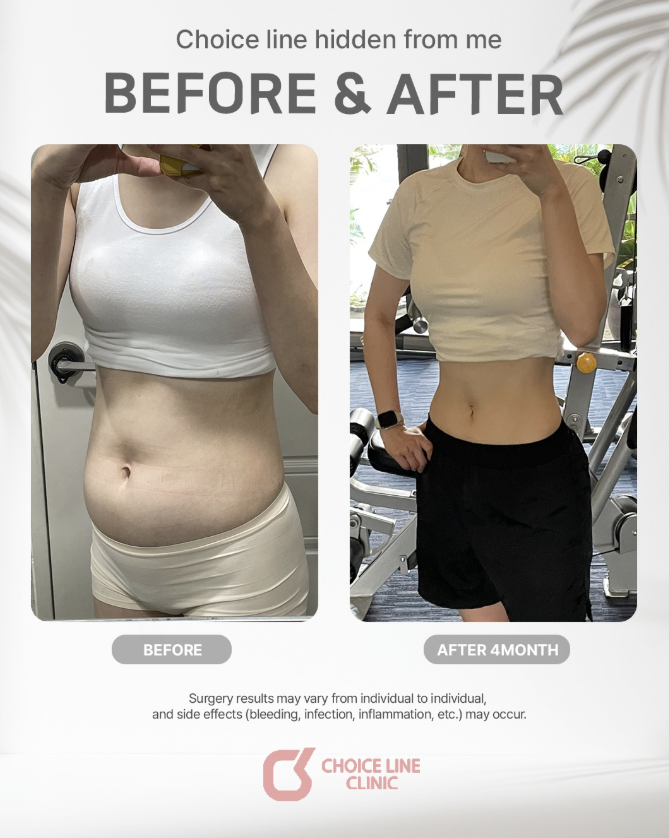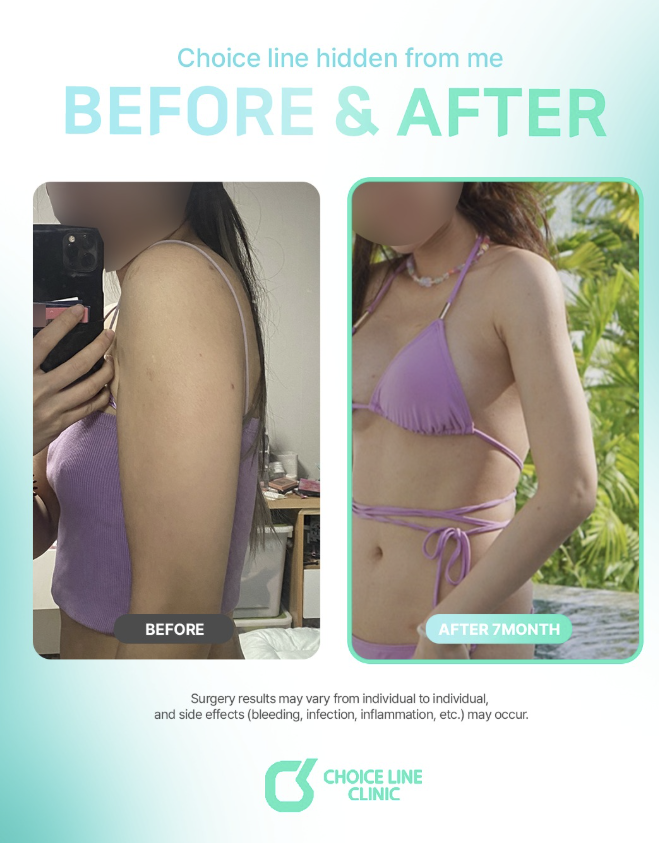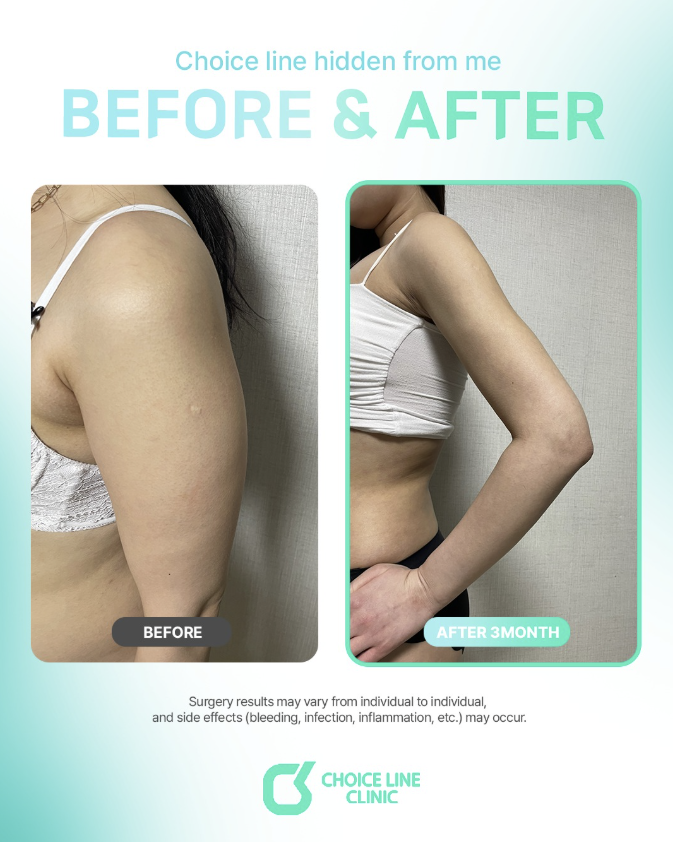
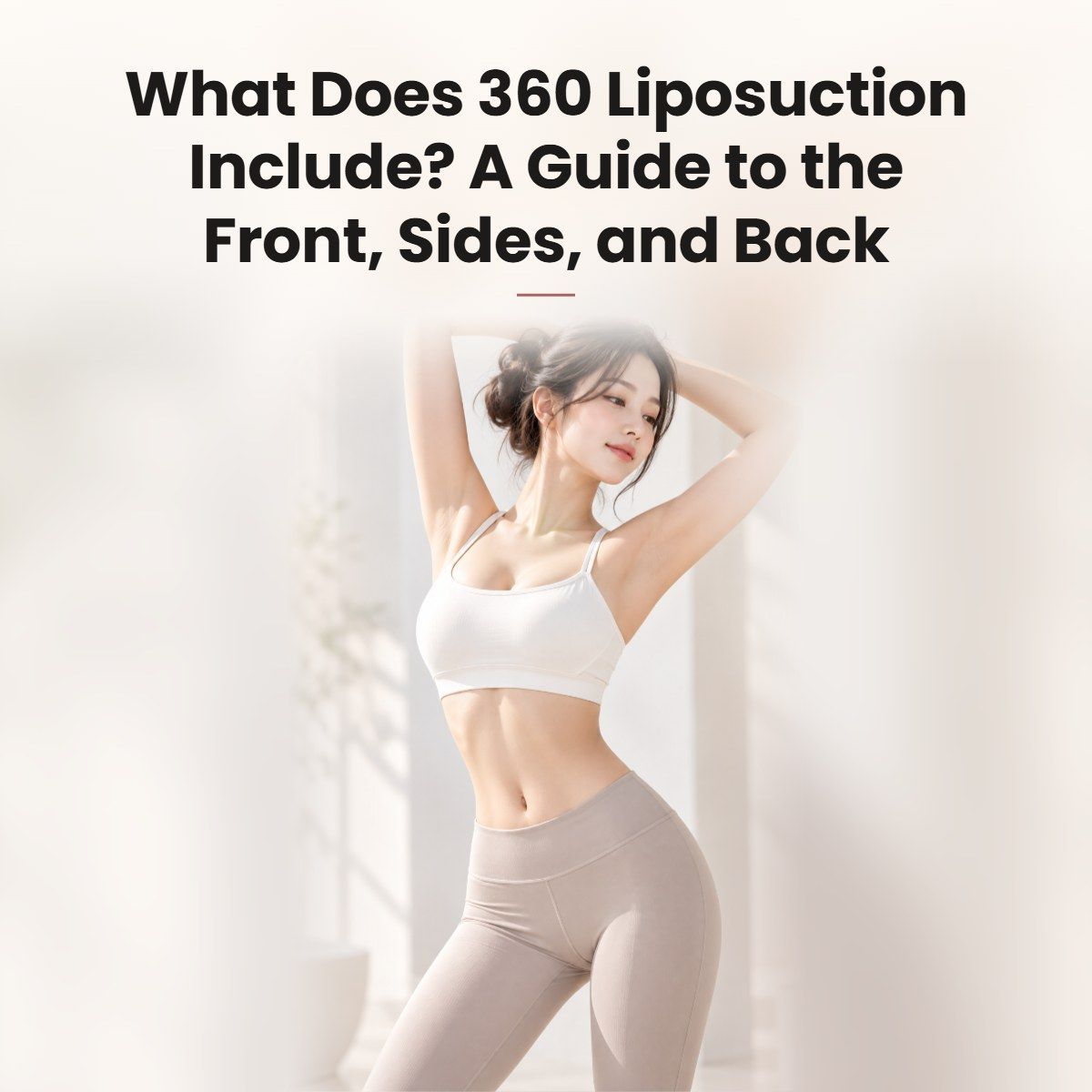
“360 liposuction” describes treating the torso all the way around rather than focusing on a single area. Instead of only the stomach, the plan addresses the front, sides and back so the waist is shaped from every angle. Clinics use the term in slightly different ways, so it helps to know exactly which areas are typically included.
01 What “360” Usually Means
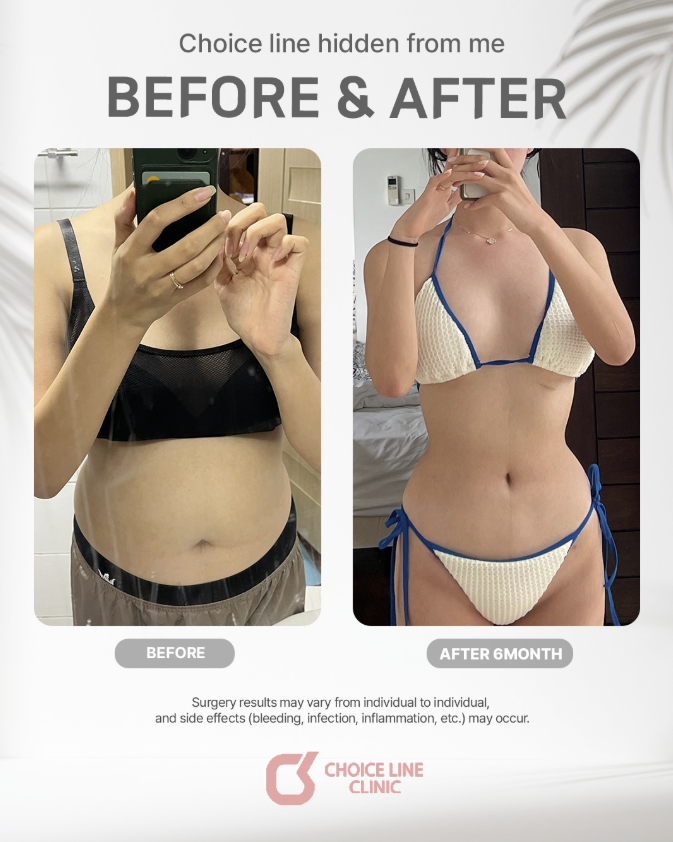
In most cases, 360 liposuction refers to circumferential treatment of the midsection:
- Front: the upper and lower abdomen
- Sides: the waist and flanks (love handles)
- Back: the lower back and sometimes the mid-back or bra line
Some clinics also include the upper back or the area just above the buttocks, so always confirm the exact zones in your plan.
Because the term is not standardised, two quotes for “360 liposuction” may cover different areas, which makes direct price comparison difficult without a detailed breakdown.
02 Why Treat the Whole Circumference?
The torso is viewed from many angles, and treating just one zone can leave an unbalanced shape. A circumferential approach may:
- Create a more defined waist from the front, side and back
- Smooth the transition between the abdomen and flanks
- Reduce fat rolls on the lower back that show in fitted clothing
- Give a more proportional silhouette overall
For many people, the waist looks most refined when the sides and back are addressed together with the front.
Even when the abdomen is the main concern, small amounts of fat on the flanks or lower back can make the waist look straighter from behind.
03 Areas That Are Sometimes Added
- The upper back and bra roll
- The upper hip area above the buttocks
- The inner or outer thighs, if they affect the overall silhouette
- Fat transfer to the buttocks or hips in some plans
Adding areas increases surgical time and recovery, so priorities should be discussed carefully. It also affects the total quote, which is why itemised plans are useful.
04 Who May Be a Suitable Candidate?
- Stable weight, close to your personal goal
- Fat distributed around the waist rather than in one spot
- Good skin elasticity around the torso
- Good general health and no active smoking
- Realistic expectations about the amount of change
People with significant loose skin may need a different or combined approach. A thorough medical review is also needed because treating a larger area places more demand on the body.
An honest consultation should include a discussion of what the waist can realistically look like given your rib cage, hip width and muscle tone.
05 How the Procedure Is Typically Performed
Because several areas are treated, positioning matters:
- Markings are made while you stand to show the natural contour
- You may be repositioned during surgery to reach the back and sides
- Tumescent fluid is used in each zone
- Incisions are small and placed where they can be hidden by underwear
General anesthesia or deep sedation is common for circumferential treatment. Surgical time is usually longer than for a single area.
06 Safety Considerations
Treating a larger area means a few factors need closer attention:
- The total volume of fat removed in a single session
- Fluid balance during and after surgery
- Blood clot prevention, including early walking
- Body temperature control in the operating room
A surgeon may recommend staging very large plans into two sessions for safety. Accredited facilities and clear emergency protocols are also important questions to ask about.
07 Recovery After 360 Liposuction
- First week: swelling and soreness around the whole torso; sleeping position may need adjusting
- Weeks 2–4: a full compression garment is commonly worn
- Months 1–3: swelling reduces and the waist shape becomes clearer
- Months 3–6: the contour is usually closer to final
Recovery tends to feel more intense than single-area liposuction because multiple zones are healing at once. Planning time away from work and help at home makes the first week easier.
08 Questions to Ask Before Booking
- Which exact areas are included in “360” in my plan?
- Is the upper back or bra roll part of the treatment?
- How much fat is safe to remove in one session for me?
- Will I need to be repositioned during surgery?
- What recovery time should I plan for work and travel?
Clear definitions prevent surprises and help you compare quotes fairly.
It is also worth asking how follow-up appointments will be handled if you are travelling, and who to contact if you have concerns after returning home.
360 liposuction treats the torso circumferentially — usually the abdomen, flanks and lower back — to shape the waist from every angle. Because definitions vary, confirm exactly which zones are included and plan for a more involved recovery than single-area treatment.
This article is for general information only and is not medical advice. Suitability, technique and recovery differ for every person, so please discuss your situation with a qualified surgeon.