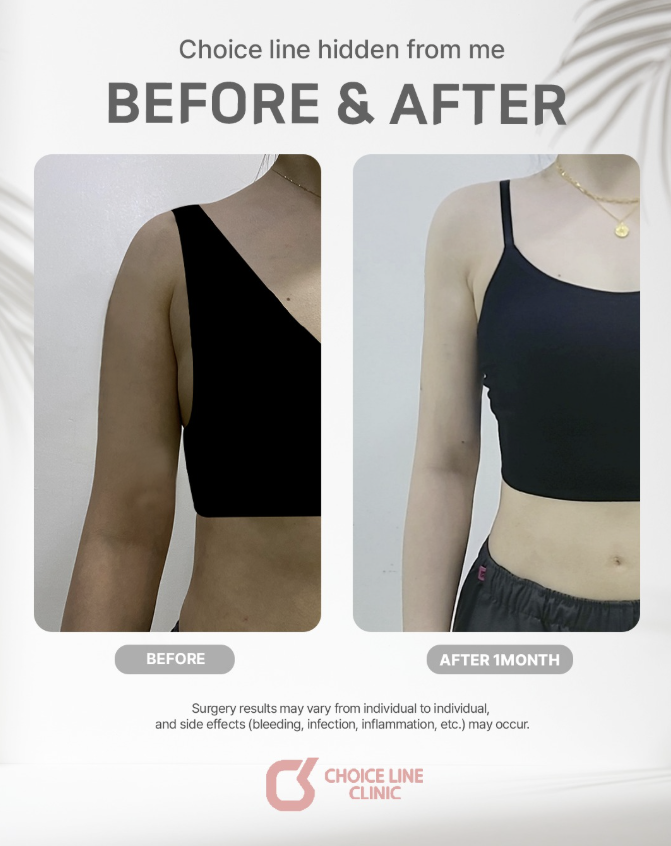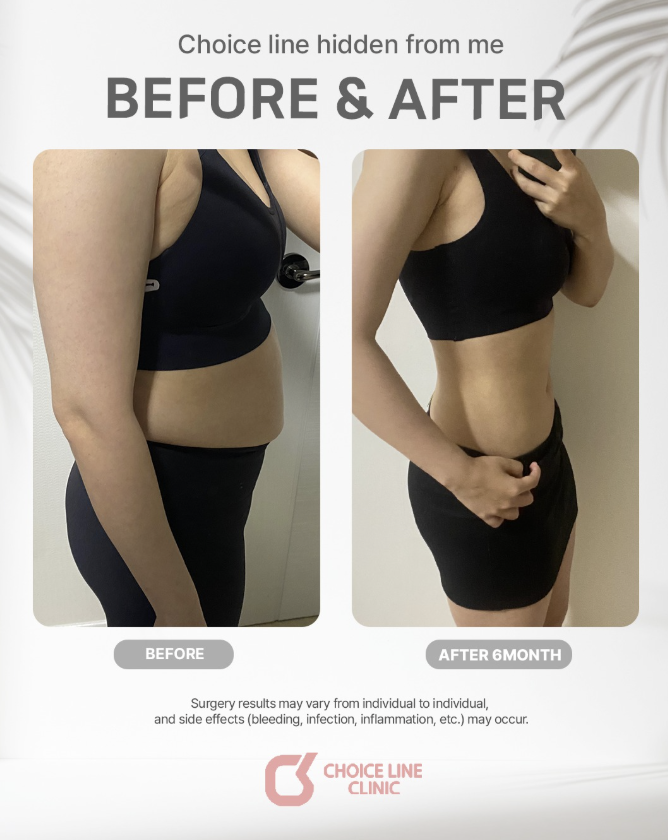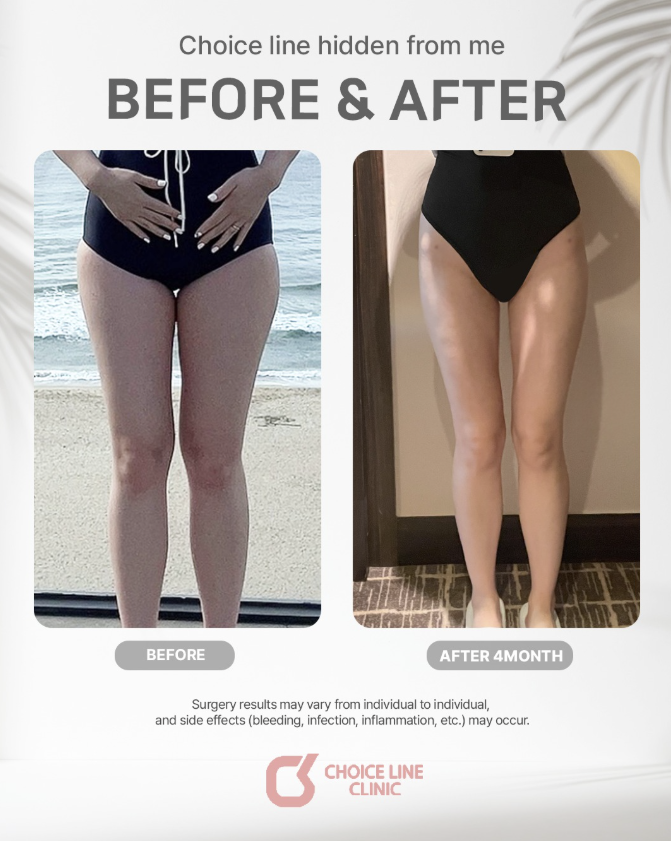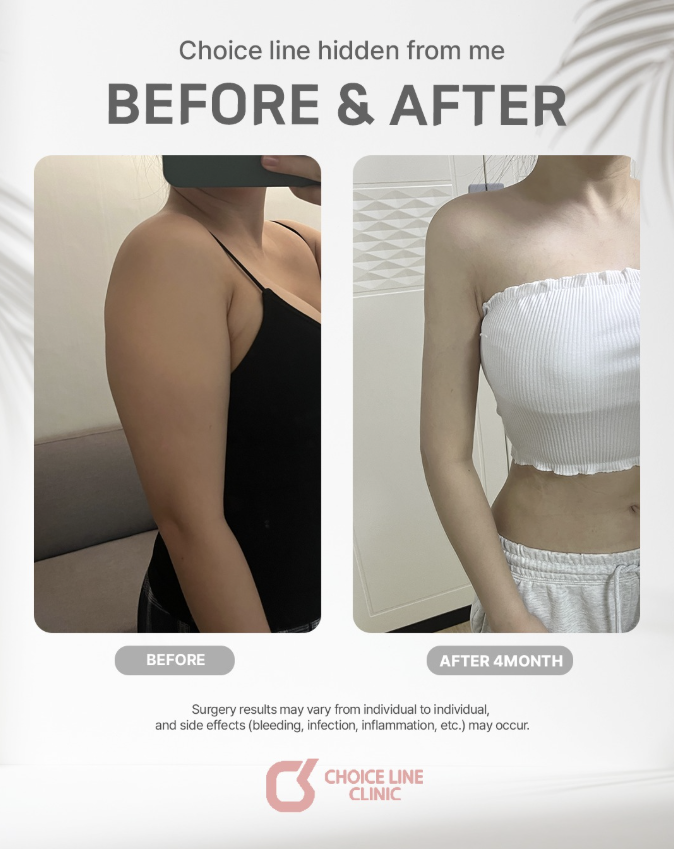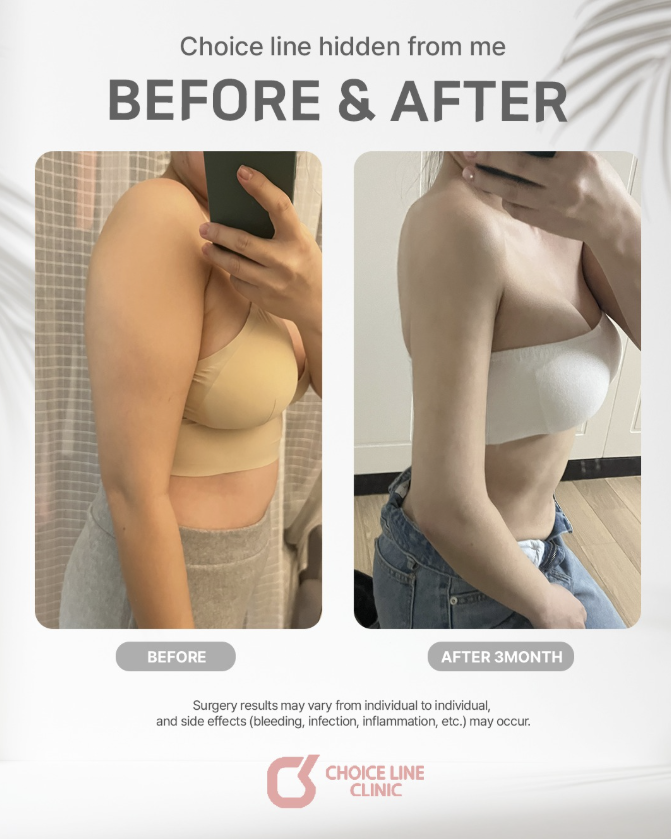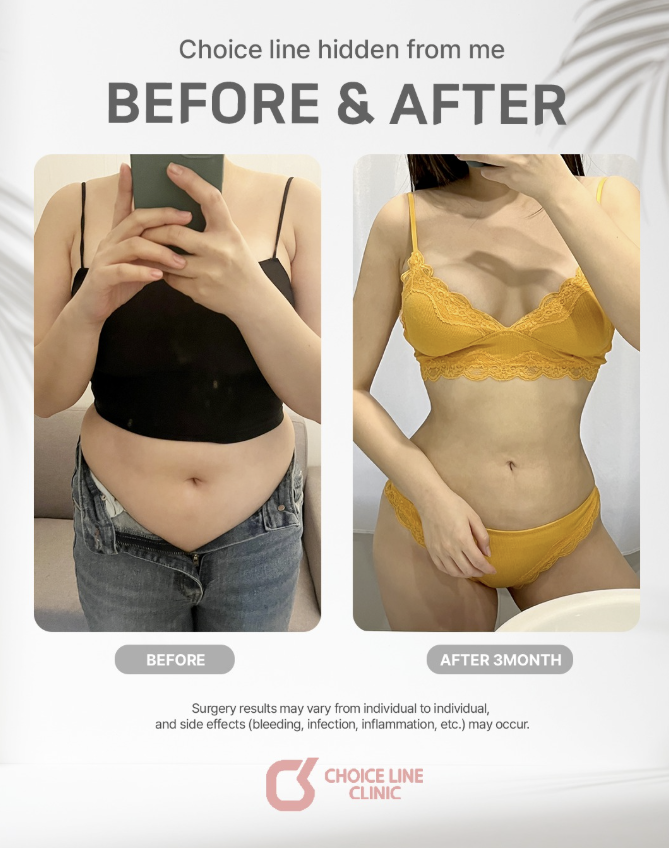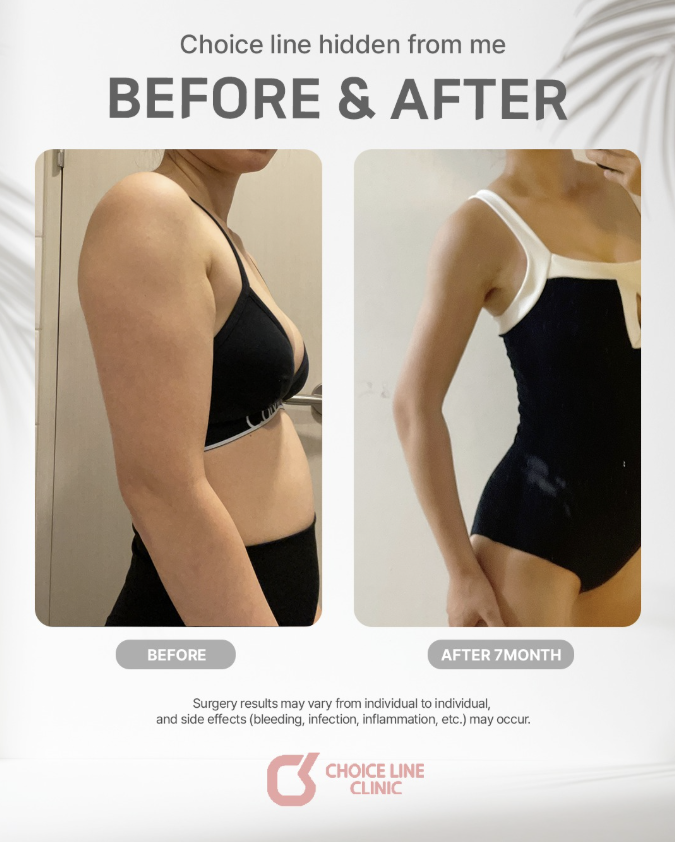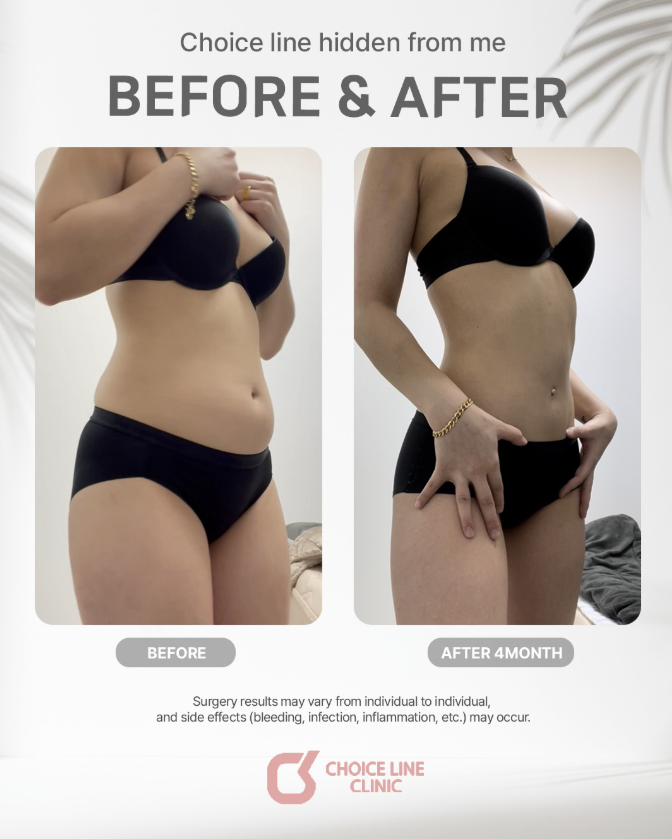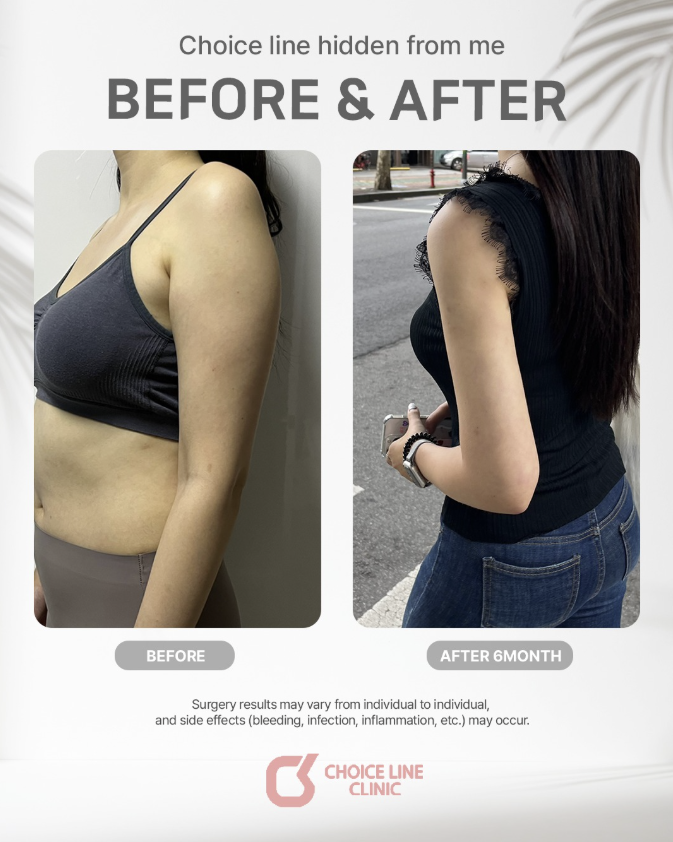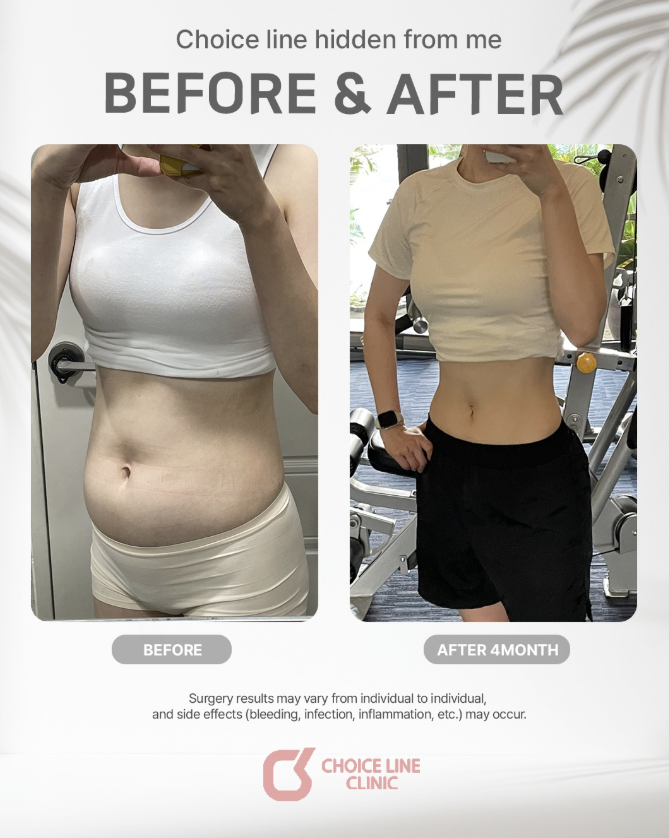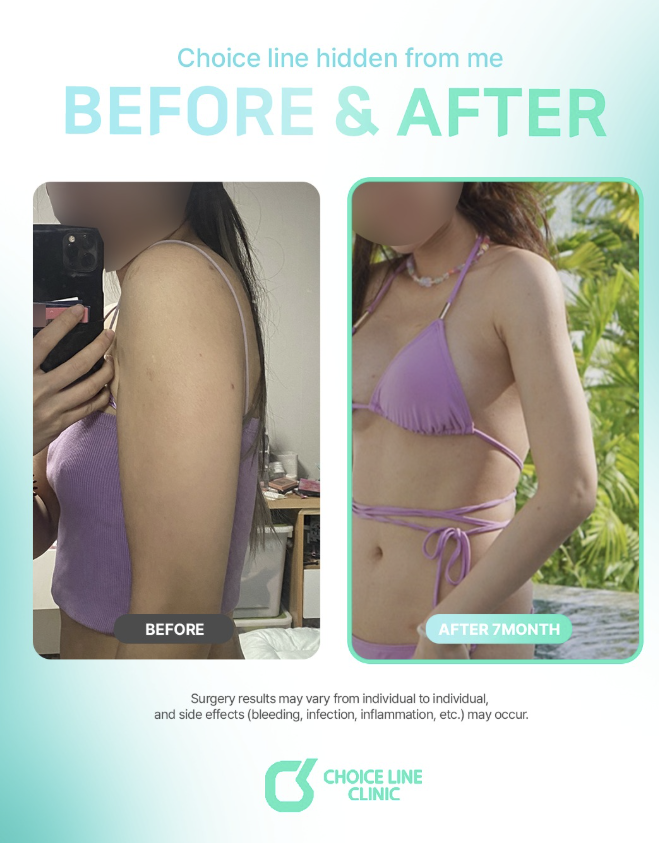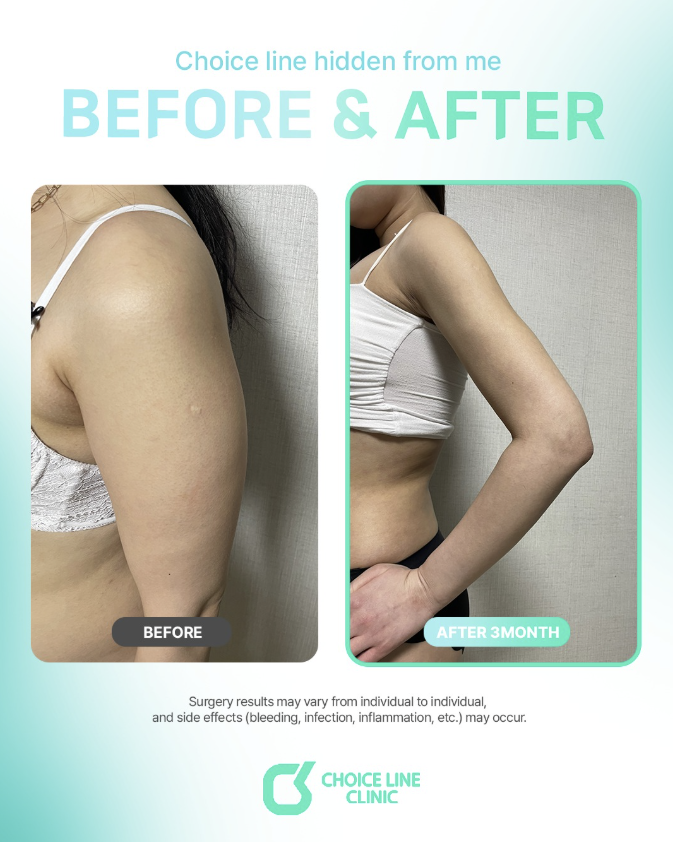
Upper arm liposuction is one of the most commonly requested body contouring procedures, but the arm is not a single uniform area. The back of the arm, the inner arm, the outer arm and the junction with the armpit each hold fat differently. Understanding these zones helps you see exactly what a treatment plan covers.
01 The Zones of the Upper Arm
Surgeons often divide the upper arm into:
- Posterior arm: the back of the arm, where the “bat wing” area sits
- Inner arm: the soft area facing the body
- Outer arm: the side facing away from the body
- Axillary junction: where the arm meets the armpit and chest
Most fat collects on the back and inner arm, which is why these areas are usually the main focus. The outer arm is often treated more lightly.
02 Why the Back of the Arm Holds Fat
- Fat in this area is strongly influenced by genetics and hormones
- The area is less affected by everyday muscle activity
- Skin on the back of the arm can thin with age
- Weight loss may reduce it only slightly
This is why many people with an otherwise slim build still notice fullness at the back of the arm when they raise or wave their hand.
Hormonal changes after menopause can also shift fat toward the upper arms, which explains why some people notice this area changing later in life.
03 What Upper Arm Liposuction Can Change
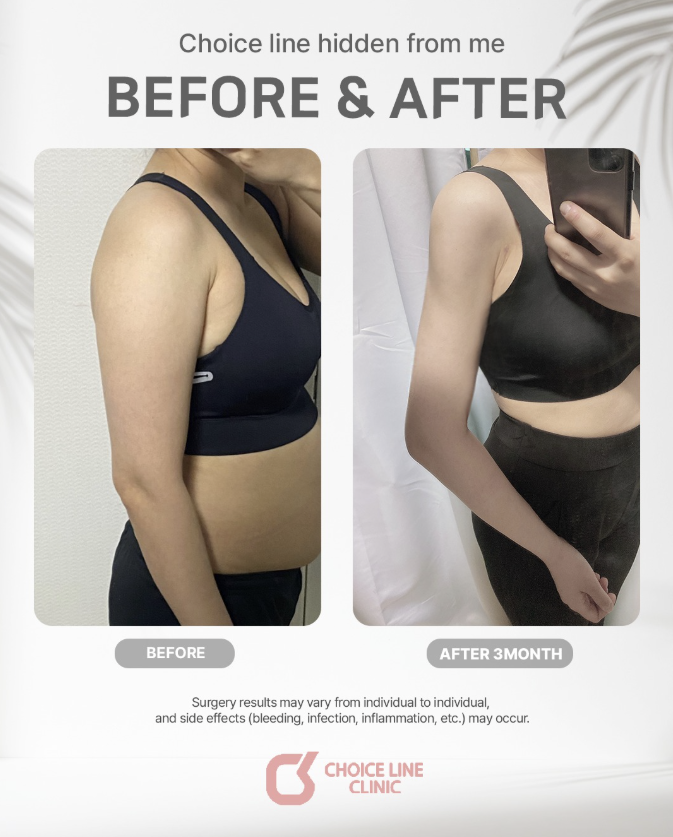
- Reduce fullness along the back and inner arm
- Create a straighter line from shoulder to elbow
- Improve how sleeves and fitted tops sit
- Smooth the transition into the armpit and chest
The goal is a slimmer, more balanced arm rather than a muscular look. Results are most natural when the whole arm is shaped evenly.
04 What It Cannot Change
- Significant loose skin: may need an arm lift
- Muscle size: liposuction does not build or reduce muscle
- Bone structure: the overall arm length and frame stay the same
- Stretch marks: these are not removed
If the main concern is hanging skin rather than fat, your surgeon may discuss a brachioplasty instead of, or together with, liposuction.
An arm lift leaves a longer scar along the inner arm, so the decision usually depends on how much skin excess is present and how you feel about the scar trade-off.
05 Treating the Arm as a Whole
- Treating only the back of the arm can leave a step-off
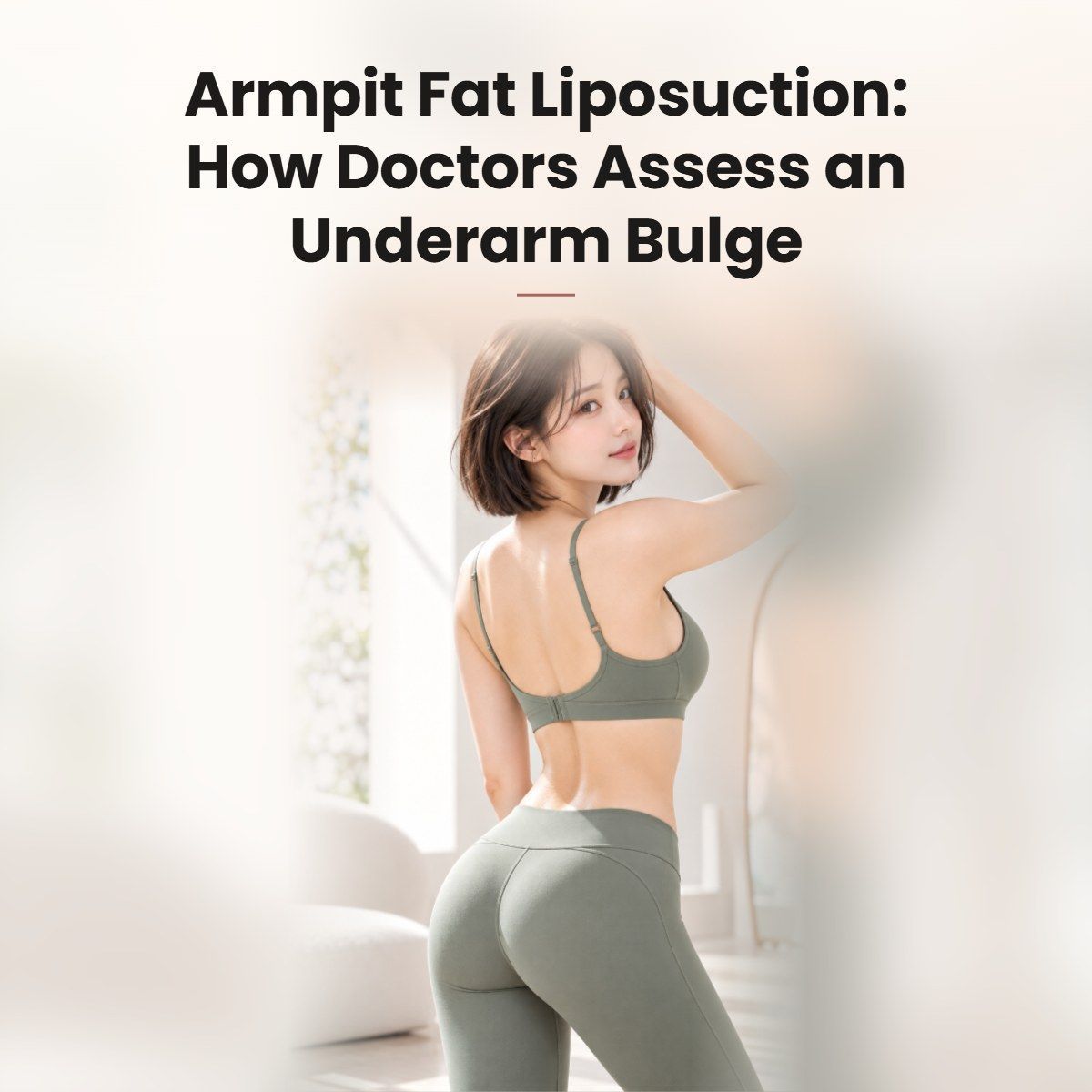
- The armpit area often needs blending for a smooth result
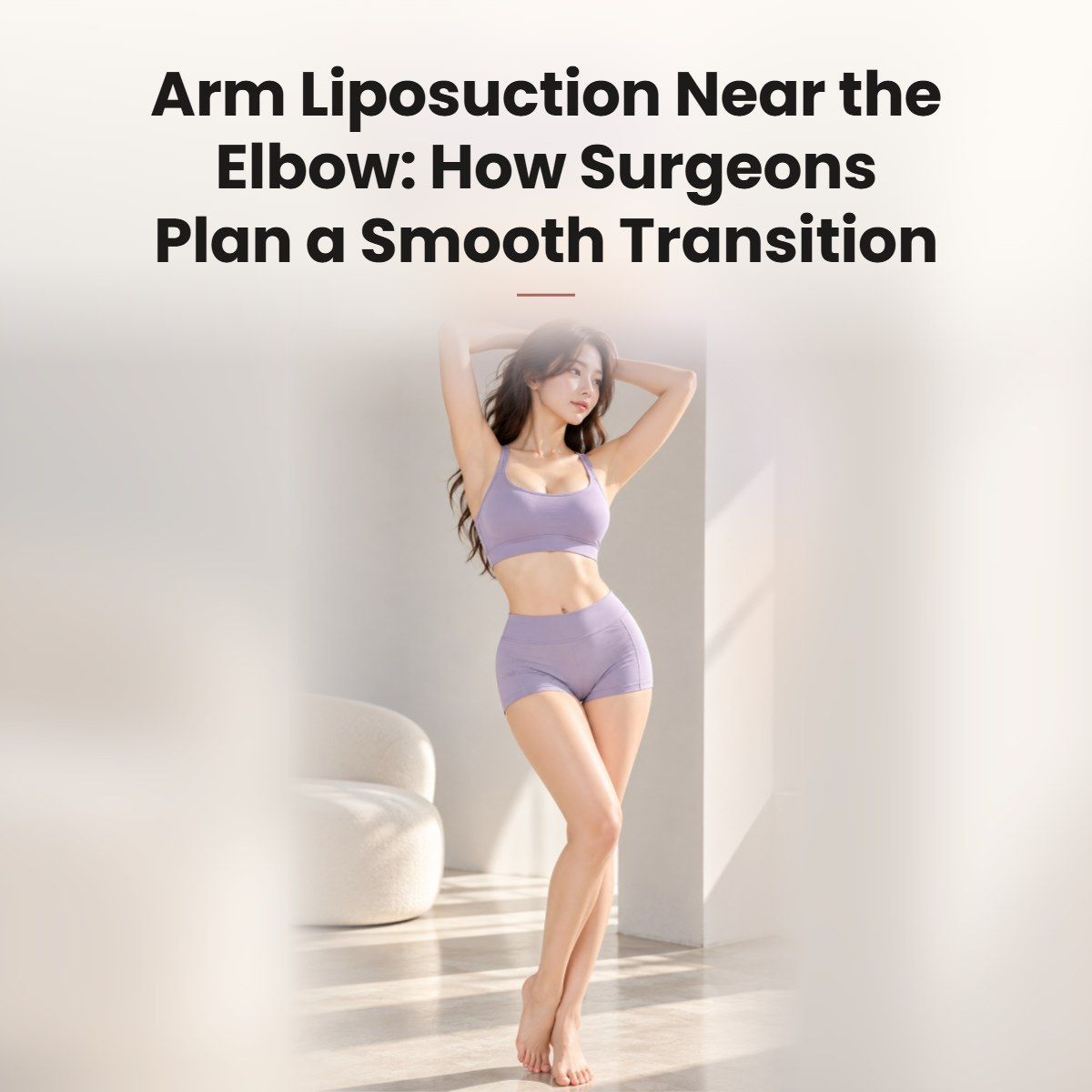
- The elbow region may be lightly treated to avoid a bulge
- Both arms are carefully compared for symmetry
A complete, balanced plan avoids the arm looking slim in one place and full in another. Measurements and photos help track symmetry.
06 Who May Be a Good Candidate?
- Pinchable fat on the back or inner arm
- Good to moderate skin elasticity
- Stable weight close to your goal
- Good general health and no active smoking
- Realistic expectations about arm shape
Your age and skin quality are often more important than the amount of fat when predicting how smooth the arm will look.
Skin quality is often assessed by gently pinching the back of the arm and watching how quickly it returns to place.
07 Recovery After Arm Liposuction
- First days: swelling and tenderness, especially when lifting
- Weeks 1–4: compression sleeves worn most of the day
- Months 1–3: swelling settles and the arm line becomes clearer
- Months 3–6: results usually look close to final
Most people return to desk work within a few days. Heavy lifting and intense arm exercises are reintroduced gradually over several weeks.
Swelling can also travel down toward the elbow and forearm in the first days, which is normal and usually settles with compression and gentle movement.
08 Questions to Ask at Your Consultation
- Which zones of my arm would you treat?
- Is my skin elastic enough for liposuction alone?
- Should the armpit or bra line be included?
- Where will the incisions be placed?
- How long will I need to wear compression sleeves?
These questions help you understand the full scope of treatment and the recovery you need to plan around.
The upper arm includes the back, inner and outer arm and the armpit junction. The best results come from treating these zones as one smooth unit, with skin quality guiding whether liposuction alone is enough.
This article is for general information only and is not medical advice. Suitability, technique and recovery differ for every person, so please discuss your situation with a qualified surgeon.