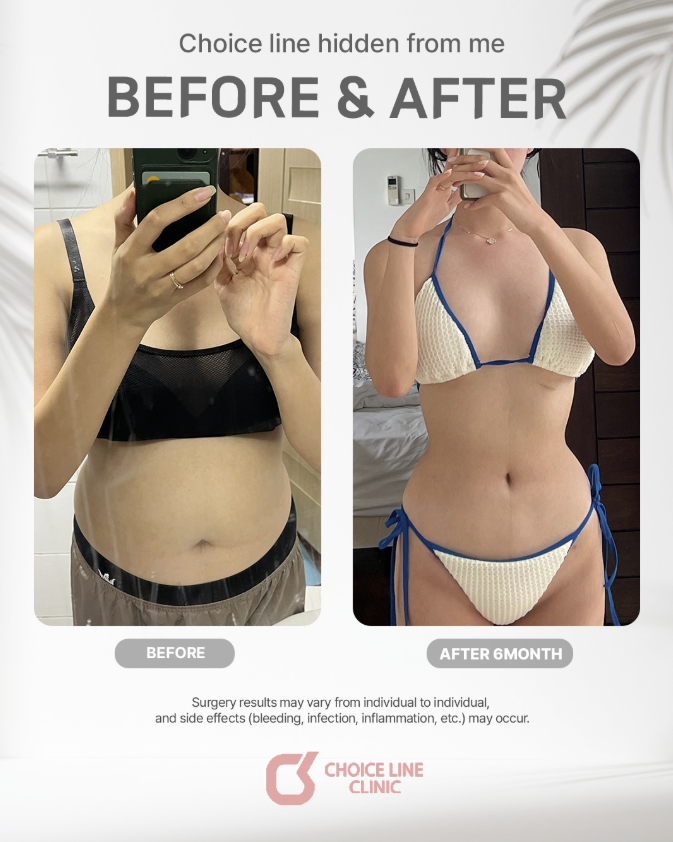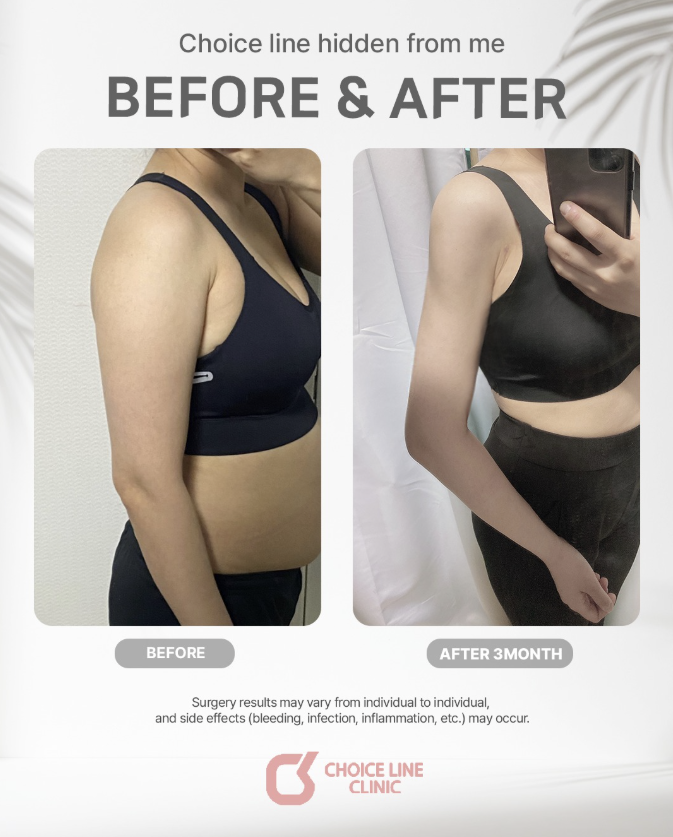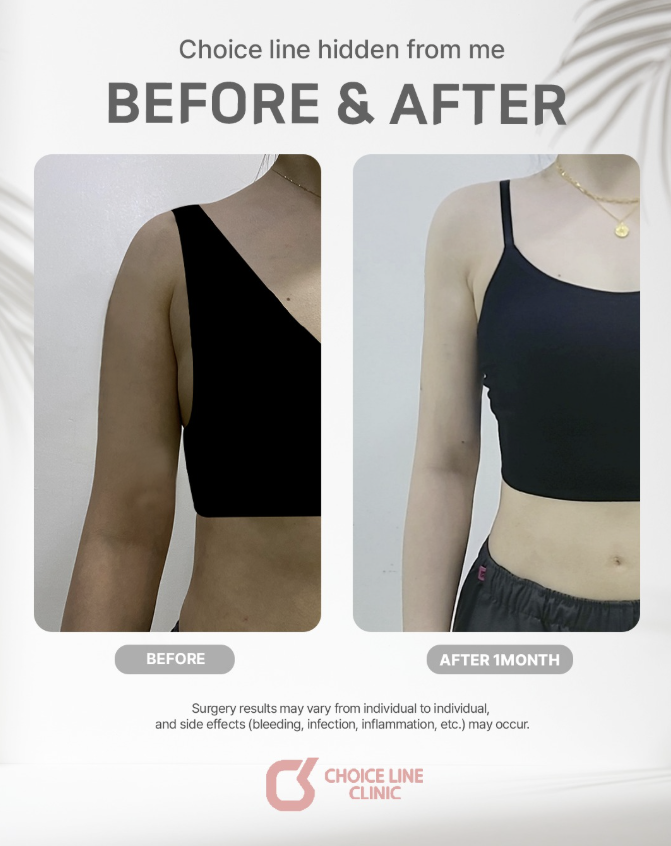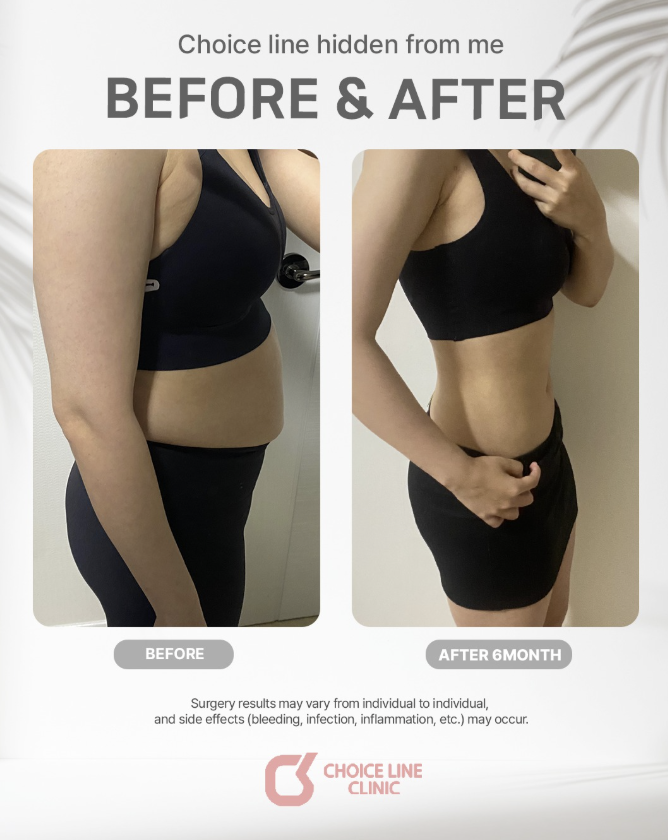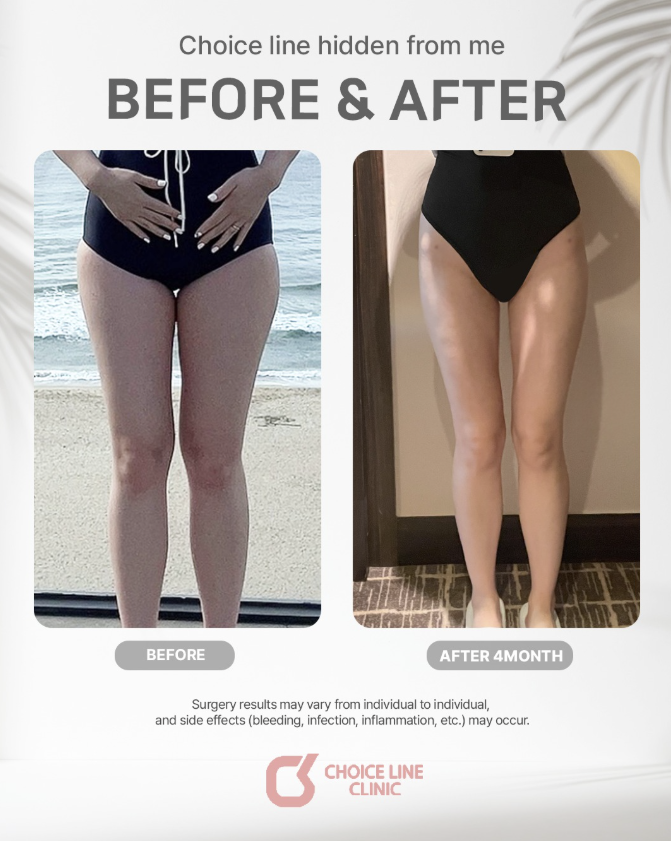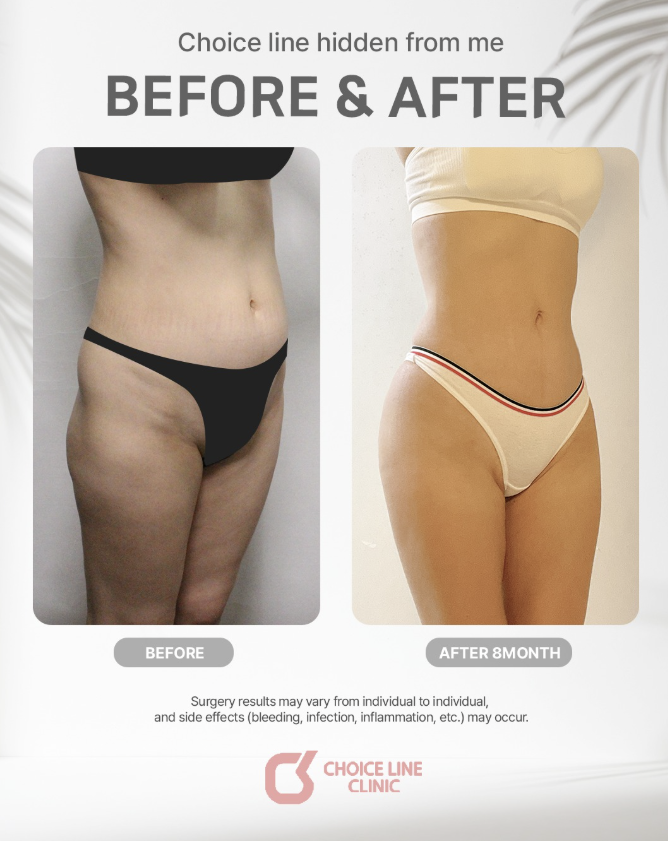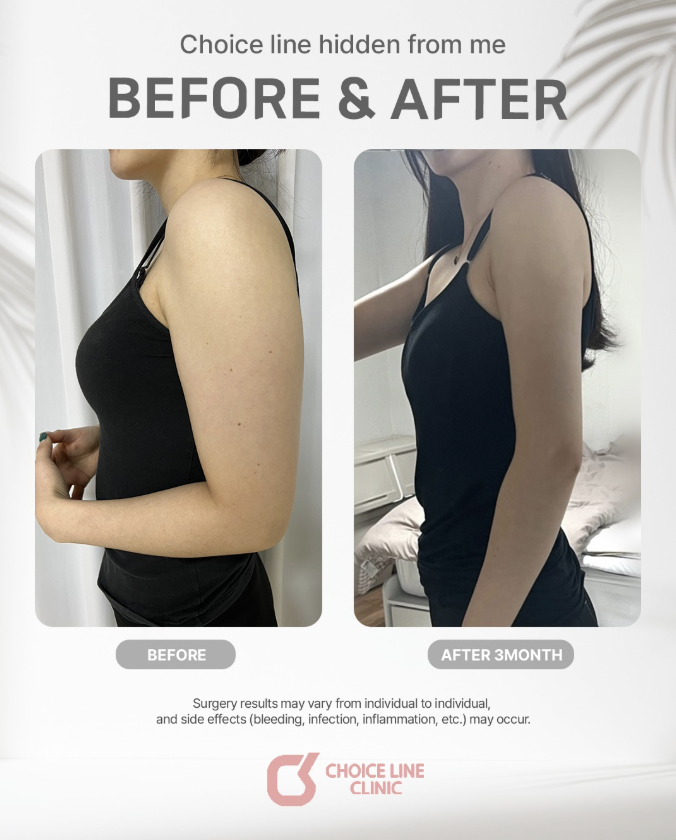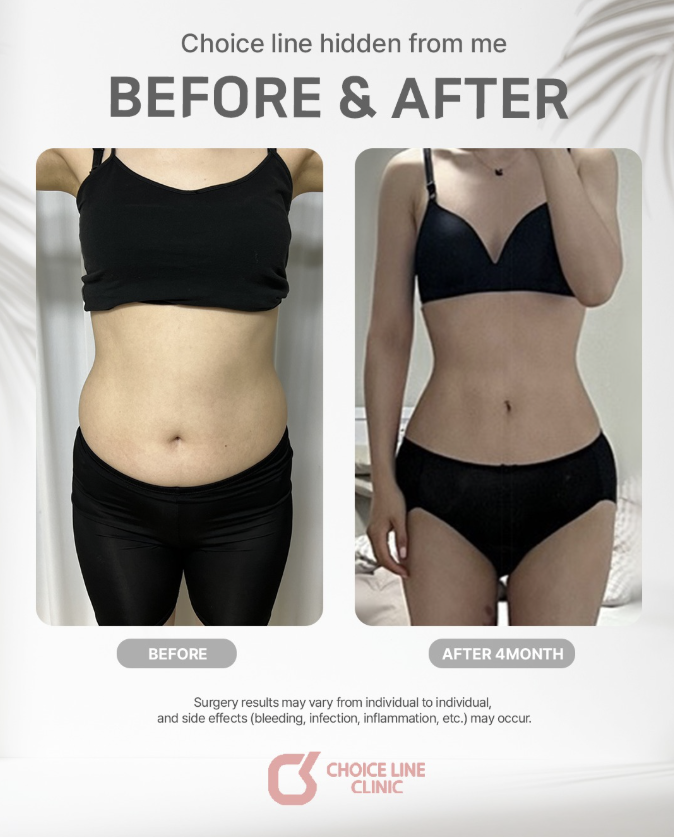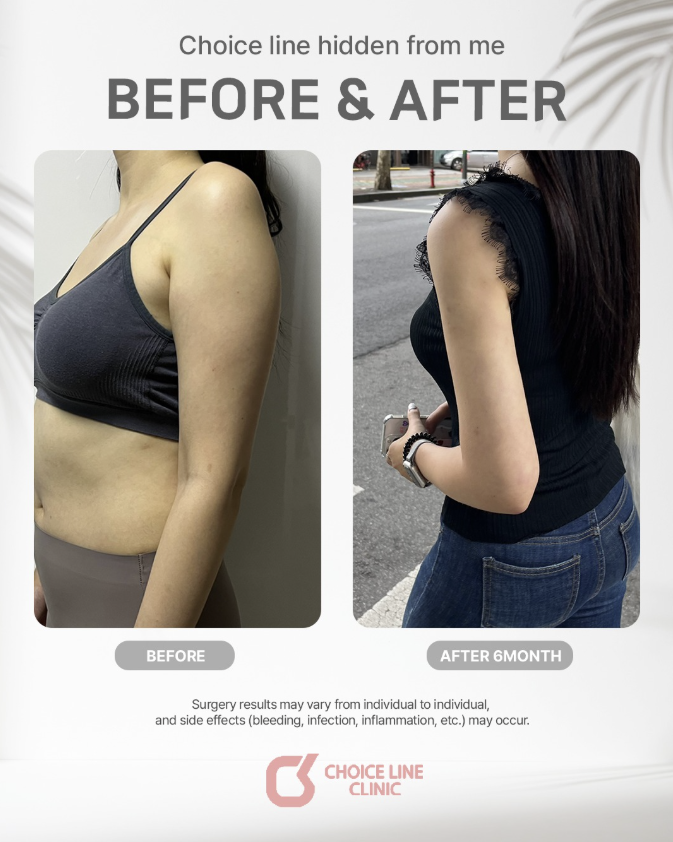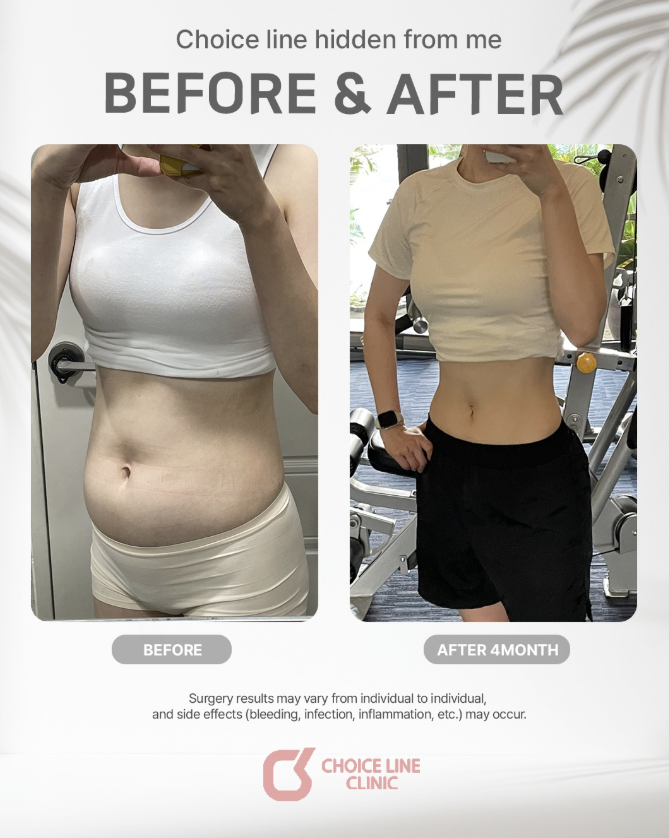
Thigh rubbing, sometimes called chafing, is a common reason people ask about inner thigh liposuction. Friction between the thighs can cause irritation, discomfort when walking and wear on clothing. Reducing inner thigh fat may help in some cases, but the result depends on what is causing the contact in the first place.
01 Why Inner Thighs Rub Together
Thigh contact can come from several factors:
- Inner thigh fat: soft tissue that meets in the middle when standing
- Bone structure: hip width and the angle of the thigh bones
- Muscle size: well-developed adductor muscles can add volume
- Loose skin: laxity after weight loss or with age
Liposuction addresses only the fat component. If bone structure or muscle is the main reason, reducing fat may help less than expected. That is why the cause needs to be identified first.
02 How Surgeons Assess the Inner Thigh
- Standing examination with feet together and apart
- Pinch test to measure fat thickness on the inner thigh
- Checking skin quality and any existing laxity
- Looking at the knee and upper thigh for balance
- Asking where chafing or irritation occurs
The surgeon may also observe how the thighs move during walking. This helps show whether contact happens high near the groin or lower toward the knee.
03 Can Liposuction Reduce Rubbing?
Reducing inner thigh fat may help when:
- Contact is mainly caused by soft, pinchable fat
- The fat is concentrated in the upper inner thigh
- Skin quality is good enough to retract
- Weight has been stable for several months
Many people notice less friction and more comfortable walking afterwards. However, some contact may remain, especially when bone structure brings the thighs close together.
Simple measures such as anti-chafing balms, moisture-wicking fabrics and well-fitted shorts can reduce irritation in the meantime, whether or not you choose surgery.
04 Limits of Inner Thigh Liposuction
- Skin quality: inner thigh skin is thin and can become loose
- Over-treatment: removing too much fat can cause irregularities
- Natural anatomy: some thigh contact is normal for many body types
- Muscle bulk: liposuction does not reduce muscle
Because inner thigh skin is delicate, surgeons often take a conservative approach. A smooth, slightly reduced contour is better than a dramatic change with rippling.
05 Who May Be a Good Candidate?
- Pinchable fat on the upper inner thigh
- Good to moderate skin elasticity
- Stable weight close to your goal
- Good general health and no active smoking
- Realistic expectations about thigh contact
People with significant loose skin after weight loss may be better suited to a thigh lift or a combined approach. This is discussed at the consultation.
06 What the Procedure Usually Involves
- Marking while you stand to show contact areas
- Tumescent fluid to reduce bleeding and discomfort
- Small incisions in natural creases near the groin
- Careful, even fat removal to protect thin skin
The inner thigh is often treated together with the inner knee for a smooth line down the leg. Your surgeon will explain whether this suits your shape.
The incisions are usually only a few millimetres long and fade over time, although they can stay pink for several months before lightening.
07 Recovery After Inner Thigh Liposuction
- First days: swelling and tenderness when walking
- Weeks 1–4: compression garment covering the thighs
- Months 1–3: swelling settles and the contour becomes clearer
- Months 3–6: results usually look close to final
Walking is encouraged from early on, but long periods of standing may feel uncomfortable at first. Wearing loose clothing over the garment helps reduce irritation.
08 Questions to Ask Your Surgeon
- What is causing my thigh rubbing: fat, bone or muscle?
- How much reduction is realistic for my thighs?
- Is my inner thigh skin firm enough for liposuction alone?
- Should my inner knees be treated too?
- How long will swelling affect walking comfort?
These questions help you decide whether inner thigh liposuction can genuinely improve comfort as well as appearance.
It also helps to describe exactly when rubbing bothers you most, such as during exercise, in hot weather or when wearing certain clothes, so the surgeon can focus on the right area.
Inner thigh liposuction can reduce rubbing when soft fat is the main cause, but bone structure, muscle and skin quality also play a role. A conservative, carefully planned approach gives the smoothest and most comfortable result.
This article is for general information only and is not medical advice. Suitability, technique and recovery differ for every person, so please discuss your situation with a qualified surgeon.