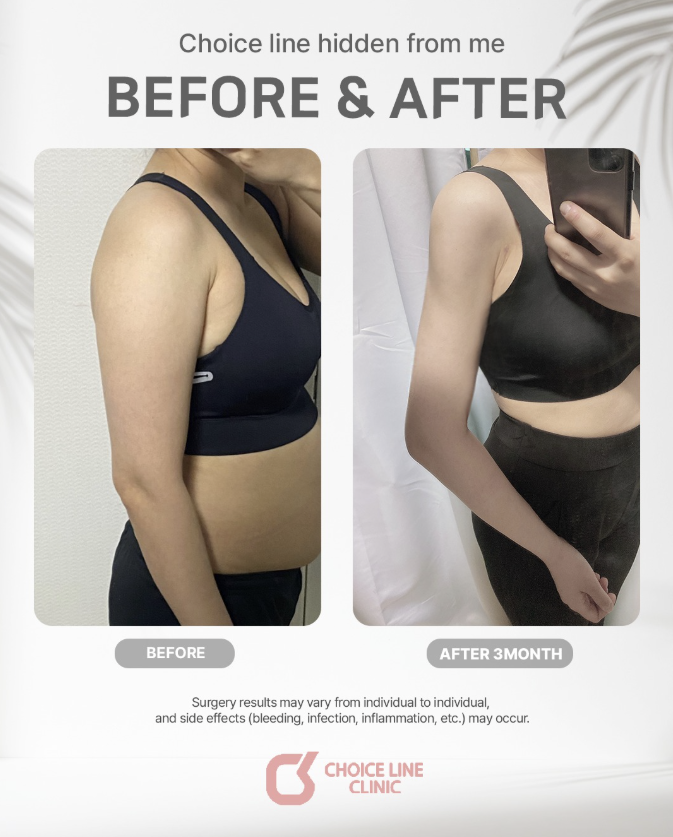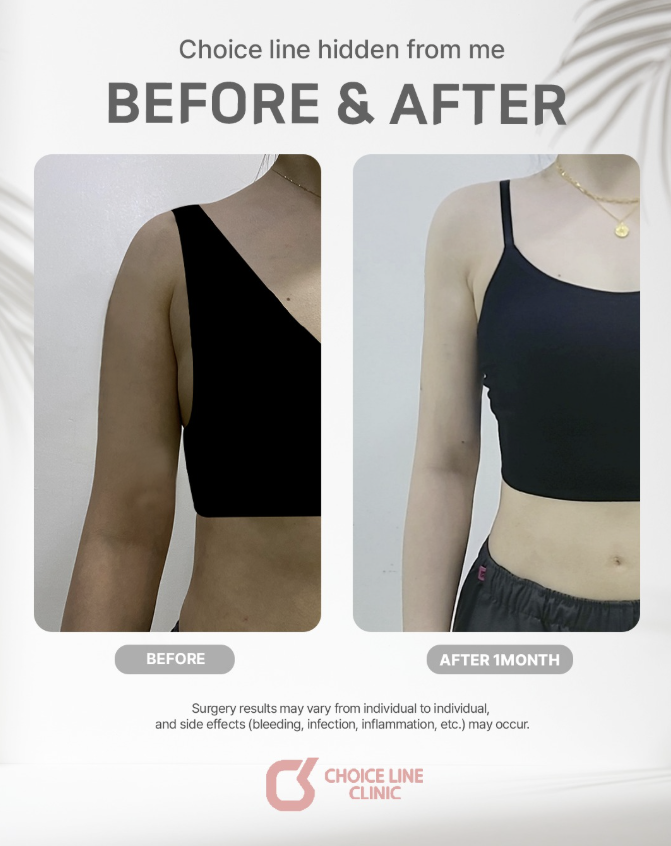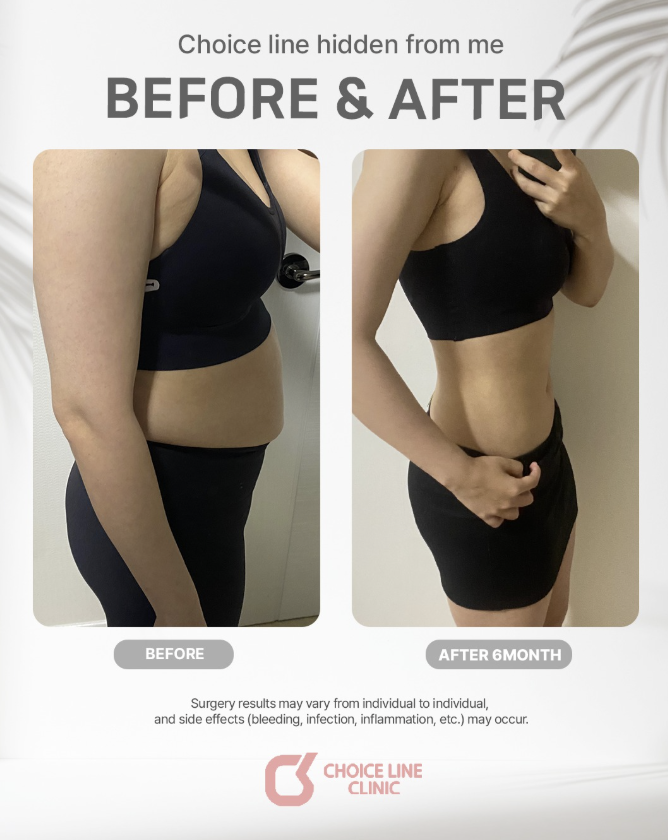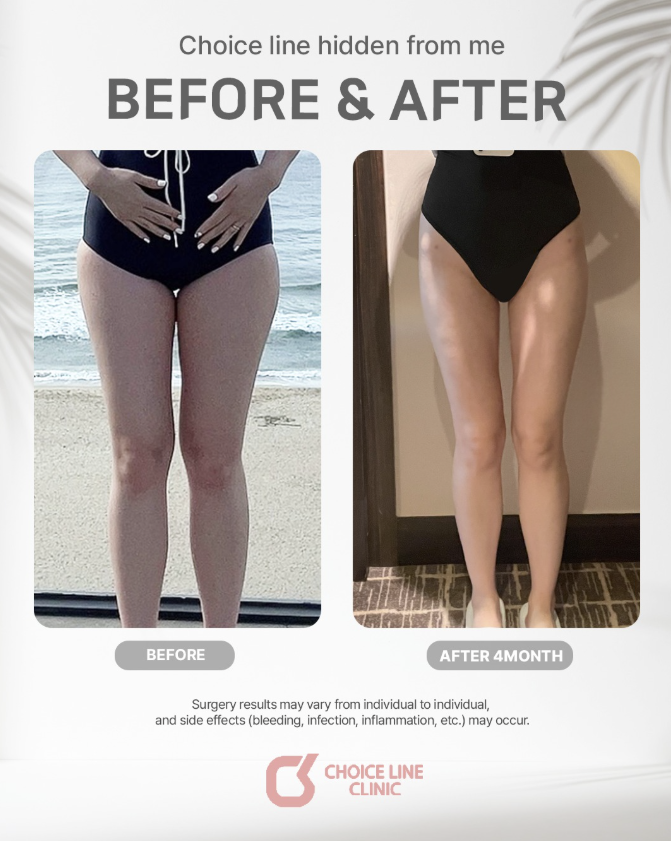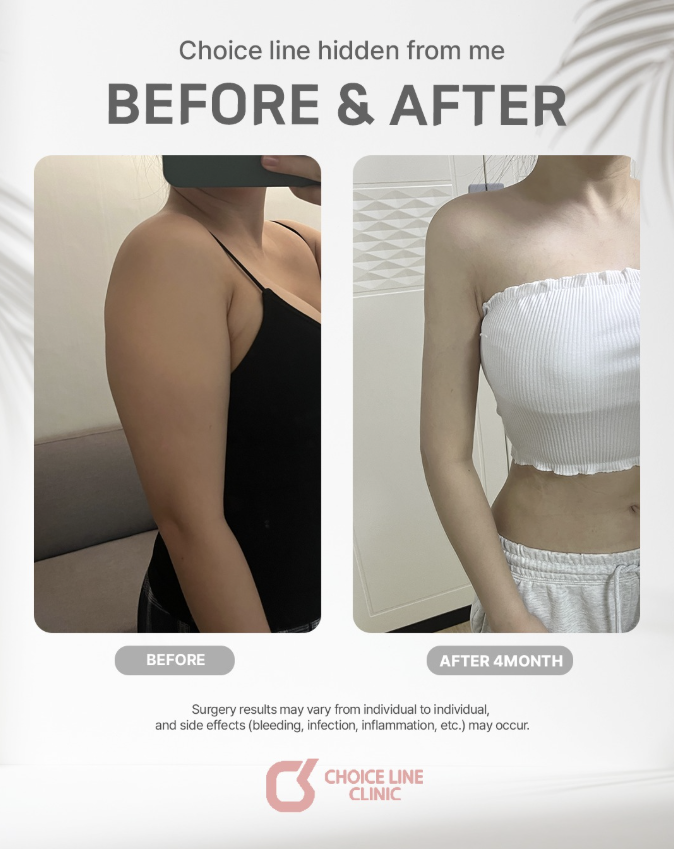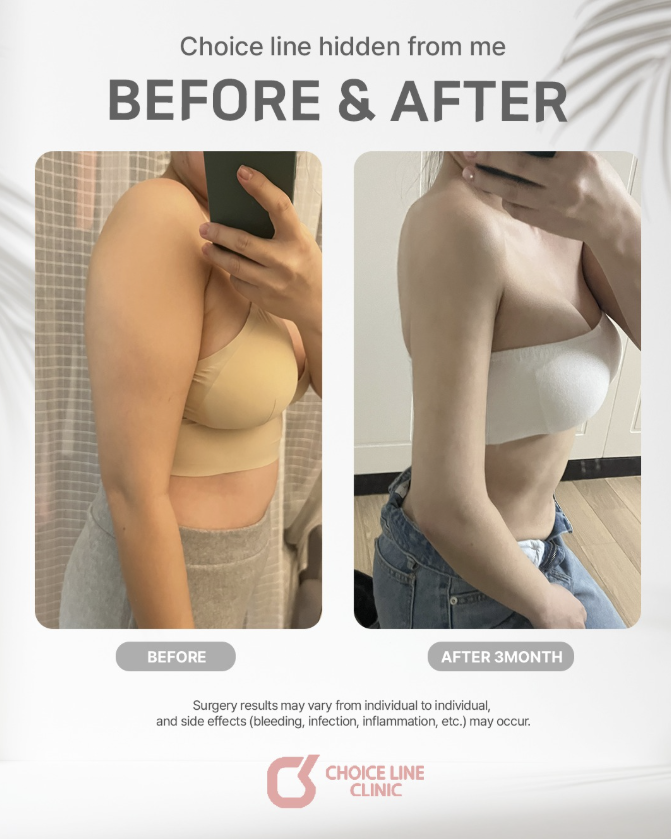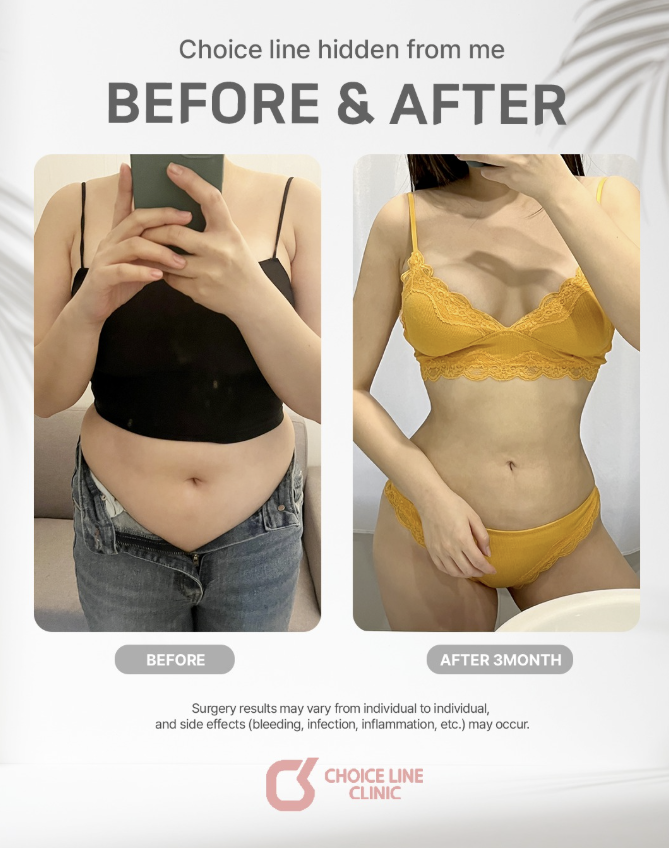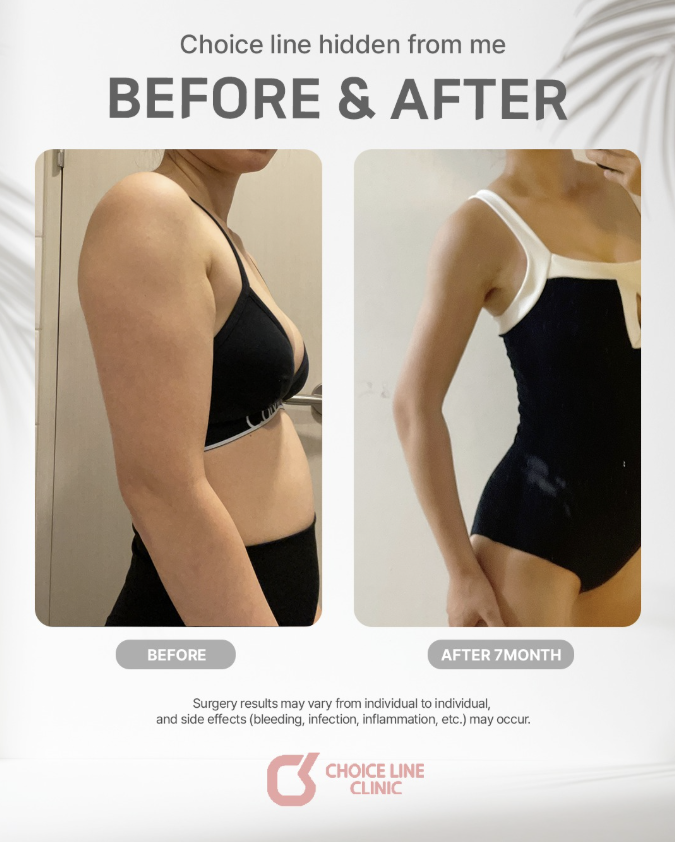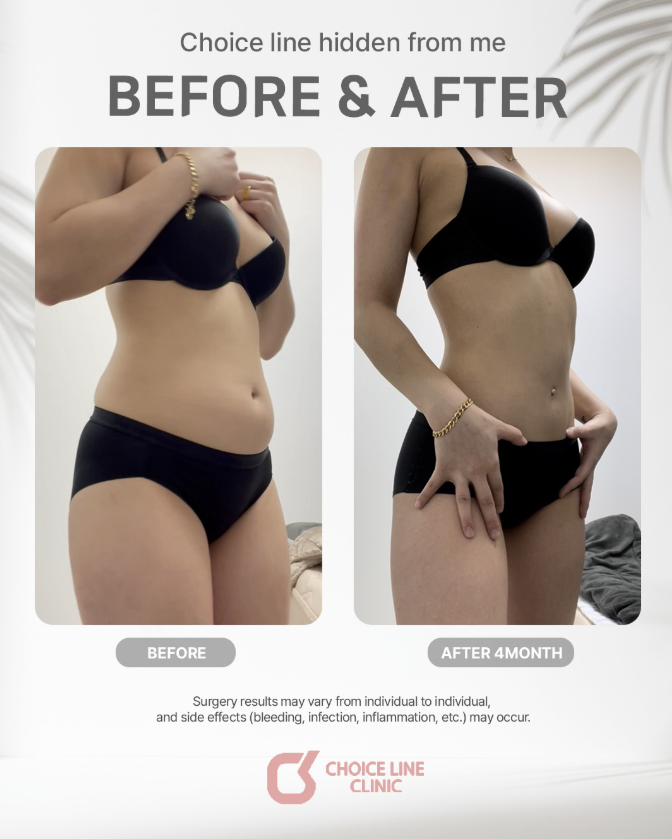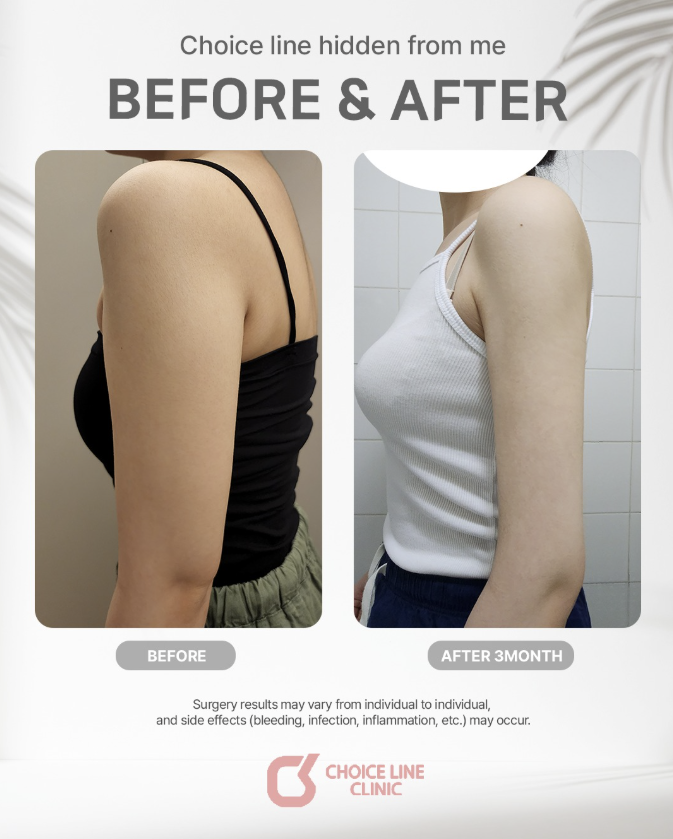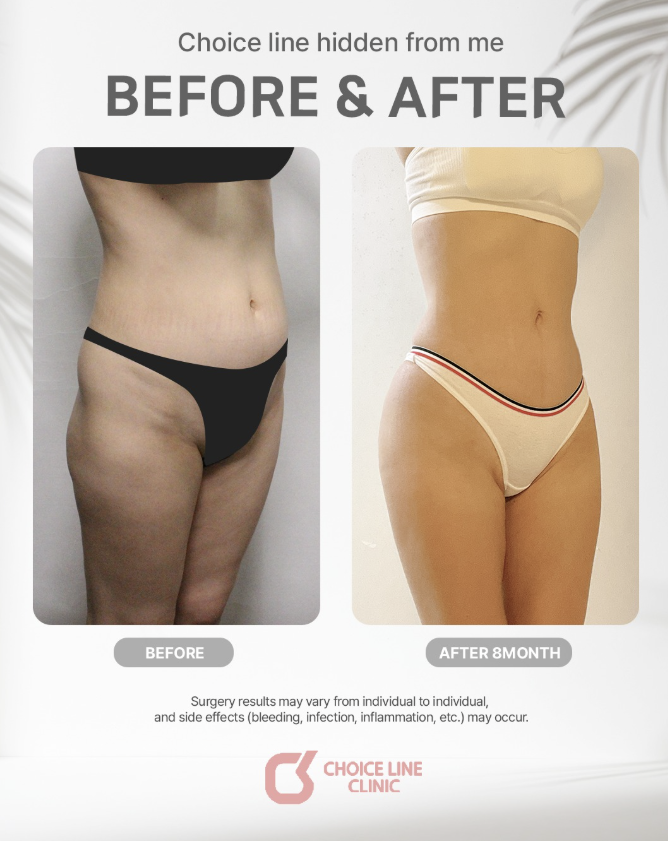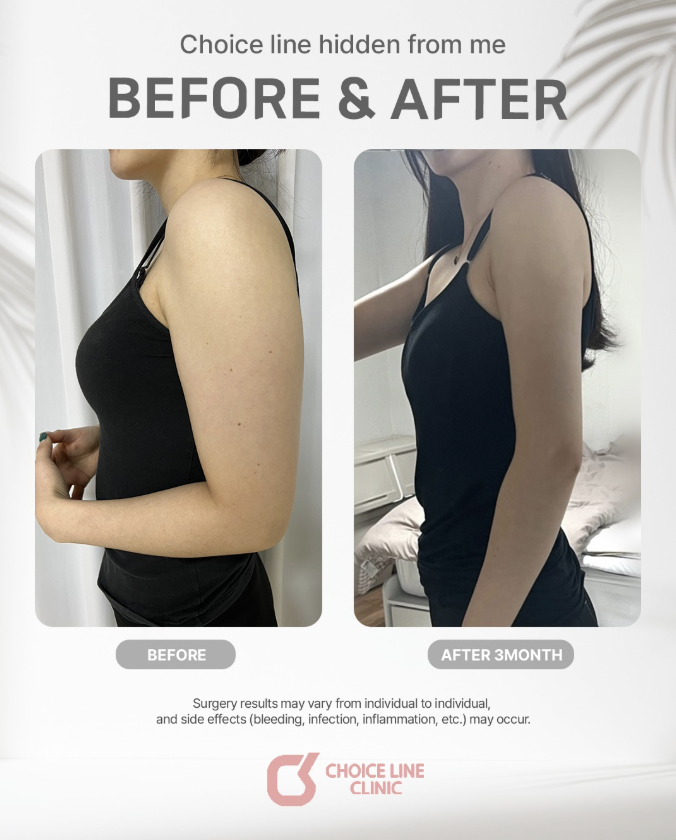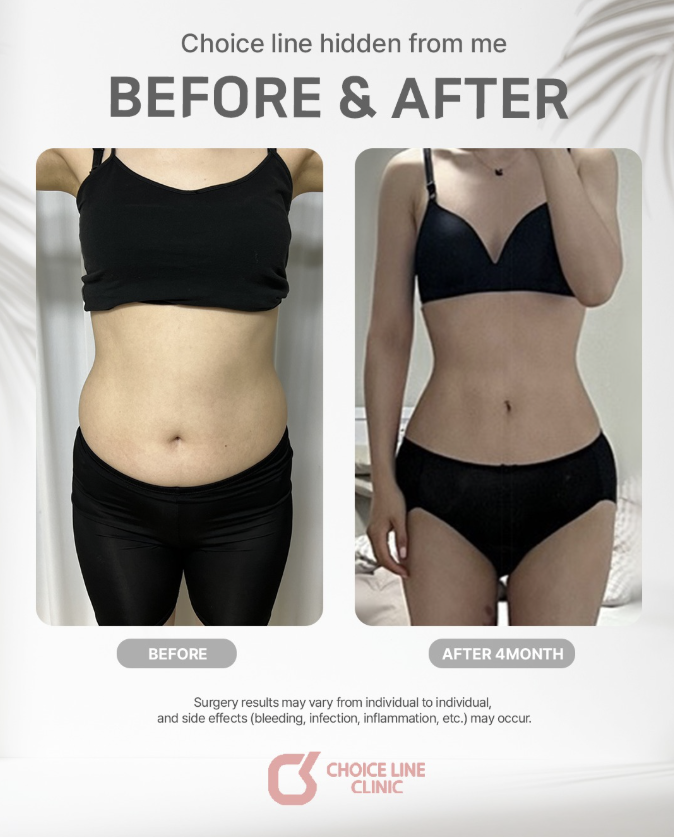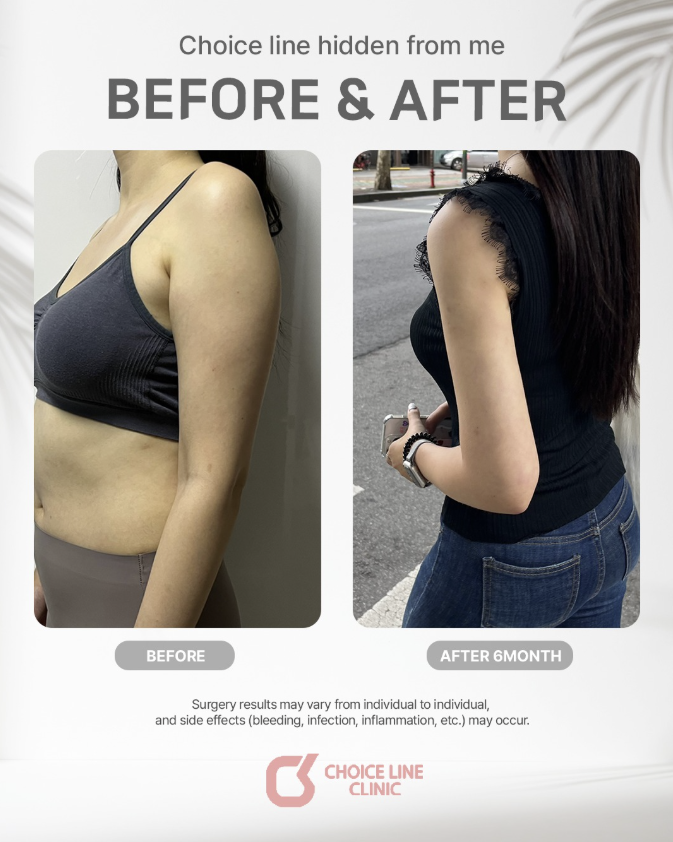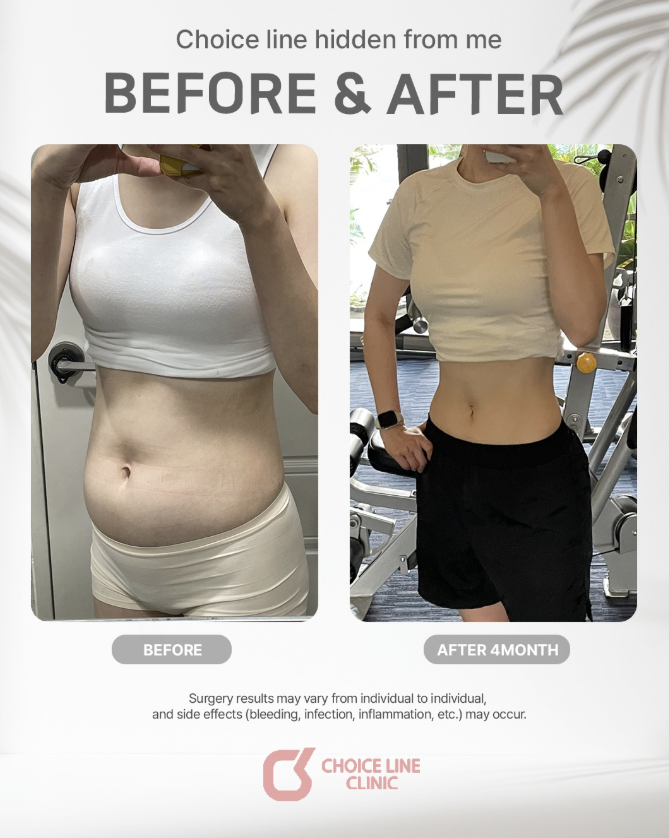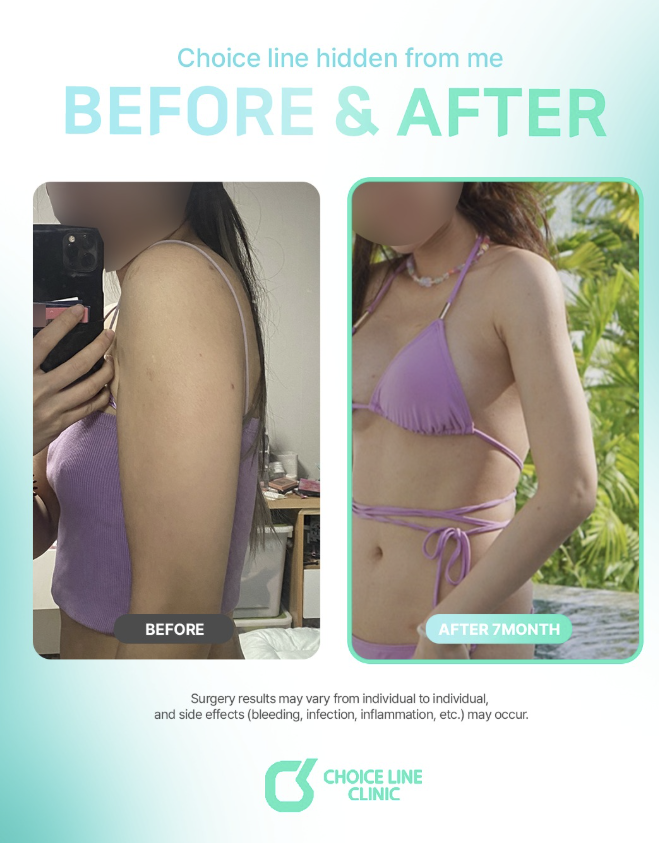
Fat removal is only half of the story in abdominal liposuction. The skin that sits over the treated area has to shrink and settle onto the new contour. When skin quality is good, the result usually looks smooth and natural; when the skin is loose, the same amount of fat removal can leave folds or a deflated look. Here is how skin laxity affects the outcome.
01 Why Skin Quality Matters
Liposuction relies on the skin’s natural ability to contract after the fat underneath is reduced. That ability depends on:
- Elastin and collagen: the fibres that let skin spring back
- Age: elasticity gradually declines over the decades
- Weight history: large gains and losses stretch the skin
- Pregnancy: the abdominal skin may stretch significantly
- Sun exposure and smoking: both weaken skin structure
Two people with the same fat volume can therefore have very different results.
Genetics also play a part: some people keep firm, resilient skin well into later life, while others notice laxity much earlier despite a healthy lifestyle.
02 Signs of Reduced Skin Elasticity
- Skin that stays tented for a moment after a gentle pinch
- Fine crepey texture or wrinkling when you lean forward
- Stretch marks across the lower abdomen
- A fold of skin that hangs over the waistband when standing
None of these automatically rules out liposuction, but they change what result is realistic. Surgeons often look at the abdomen while you stand, sit and bend forward to see how the skin behaves in different positions.
03 What Can Happen When Skin Is Loose
If fat is removed beneath skin that cannot contract well, possible outcomes include:
- Visible folds or creases where the skin gathers
- A soft, deflated appearance rather than a firm contour
- Uneven texture or rippling under certain lighting
- A lower abdominal overhang that becomes more noticeable
For this reason, surgeons may deliberately remove less fat in areas where skin quality is a concern.
These outcomes are not inevitable, but they are more likely when large volumes are removed from beneath thin, stretched skin.
04 How Surgeons Assess Laxity
- Pinch and snap-back test: how quickly the skin returns to place
- Standing and sitting views: how folds form in different positions
- Stretch mark pattern: where the skin has been under the most strain
- Muscle check: whether the abdominal wall is also lax
Combining these findings helps the surgeon decide whether liposuction alone is appropriate. Photographs taken at the consultation also provide a useful baseline for later comparison.
05 Mild, Moderate and Significant Laxity
A simple way to think about skin quality:
- Mild: liposuction alone often gives a smooth result as the skin contracts
- Moderate: liposuction may still help, sometimes combined with skin-tightening technology
- Significant: excess skin usually needs surgical removal, such as an abdominoplasty
Where you fall on this scale has a bigger effect on the final look than the amount of fat removed. It also influences how long the skin will take to settle after surgery.
06 Options That May Be Discussed
- Liposuction alone, with a conservative approach
- Liposuction combined with energy-based skin tightening
- Mini abdominoplasty for loose skin below the belly button
- Full abdominoplasty when skin and muscle laxity are extensive
Each option has different scars, recovery times and costs, so it helps to compare them side by side. Your surgeon should explain why one option suits your anatomy better than another.
07 What Helps Skin Recover After Surgery
Although skin elasticity cannot be fully restored, some steps support healing:
- Wearing the compression garment as instructed
- Avoiding smoking before and after surgery
- Staying well hydrated and eating enough protein
- Protecting the skin from strong sun
- Keeping your weight stable during recovery
Your surgical team may also recommend gentle massage or follow-up treatments at specific stages.
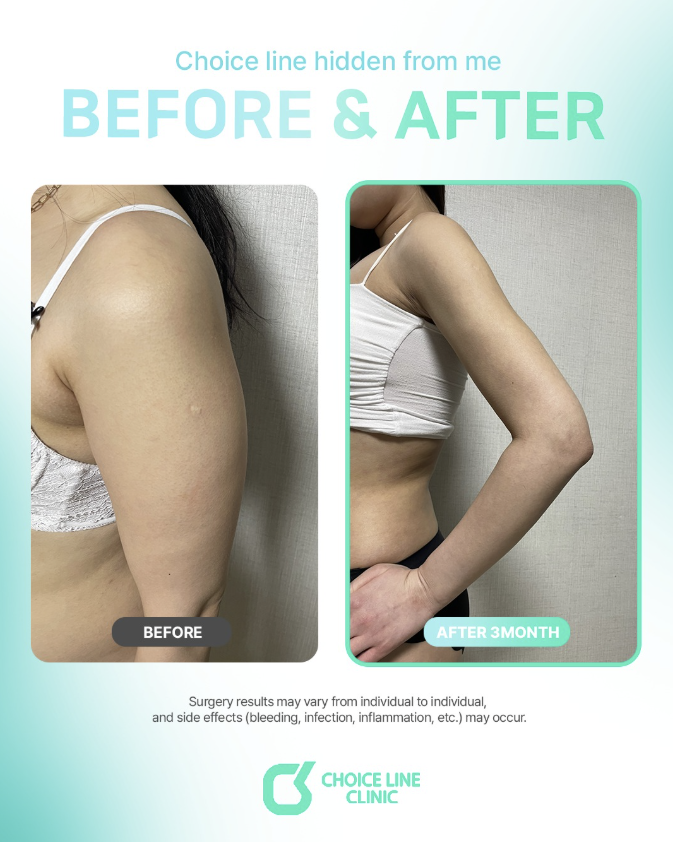
Most of the visible skin tightening happens gradually over three to six months, and small improvements can continue for up to a year after surgery.
08 Questions to Ask Your Surgeon
- How would you rate my skin elasticity?
- Is liposuction alone likely to give a smooth result for me?
- Would skin tightening add meaningful benefit?
- At what point would you recommend a tummy tuck instead?
- What will the area look like at three and six months?
Honest answers will help you choose a plan that matches both your anatomy and your expectations.
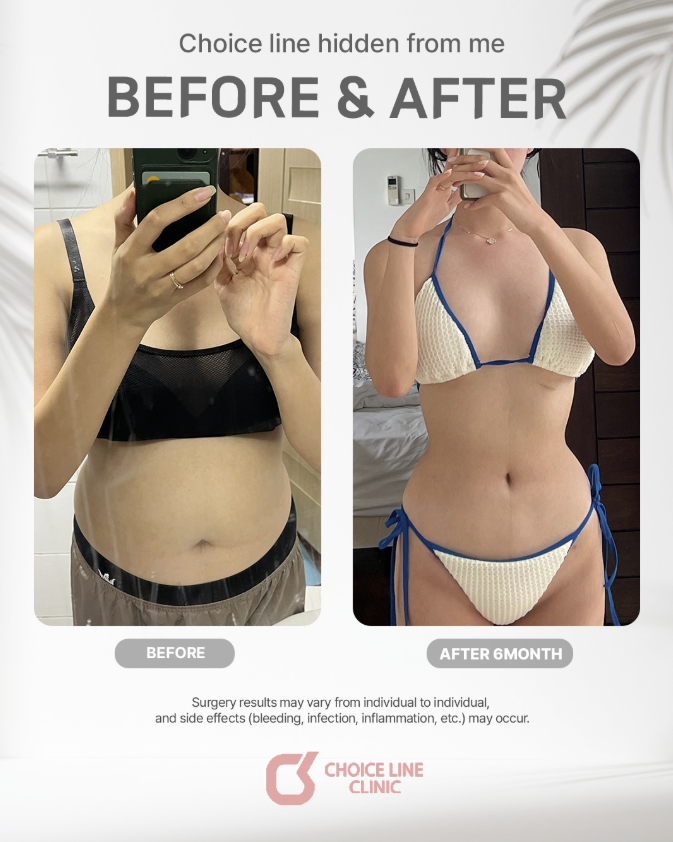
It can also help to ask to see before-and-after photos of patients with a similar skin type and age, taken at comparable follow-up points.
Abdominal liposuction results depend heavily on skin quality. Good elasticity allows a smooth contour, while loose skin may call for a conservative approach, skin tightening or a tummy tuck — so skin assessment is as important as fat assessment.
This article is for general information only and is not medical advice. Suitability, technique and recovery differ for every person, so please discuss your situation with a qualified surgeon.