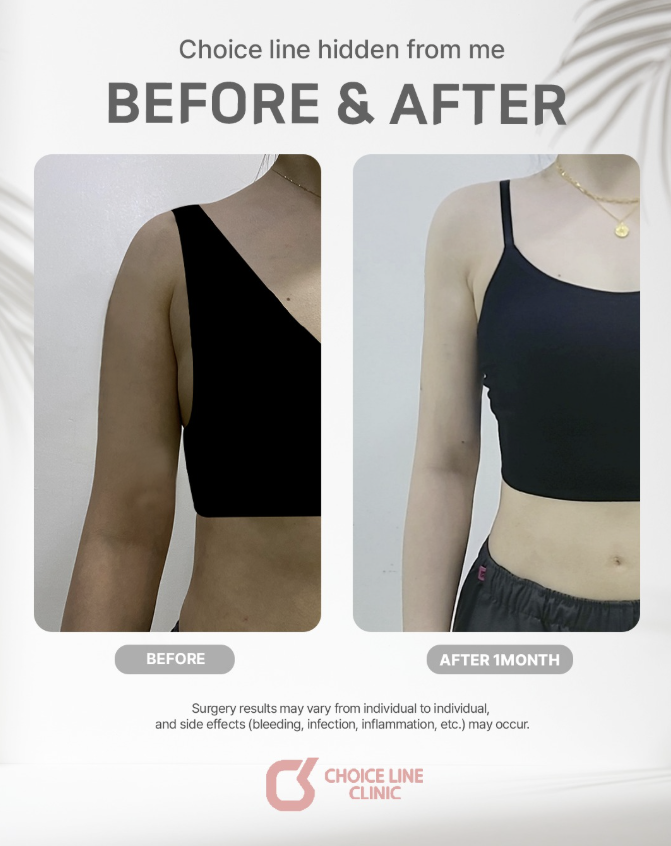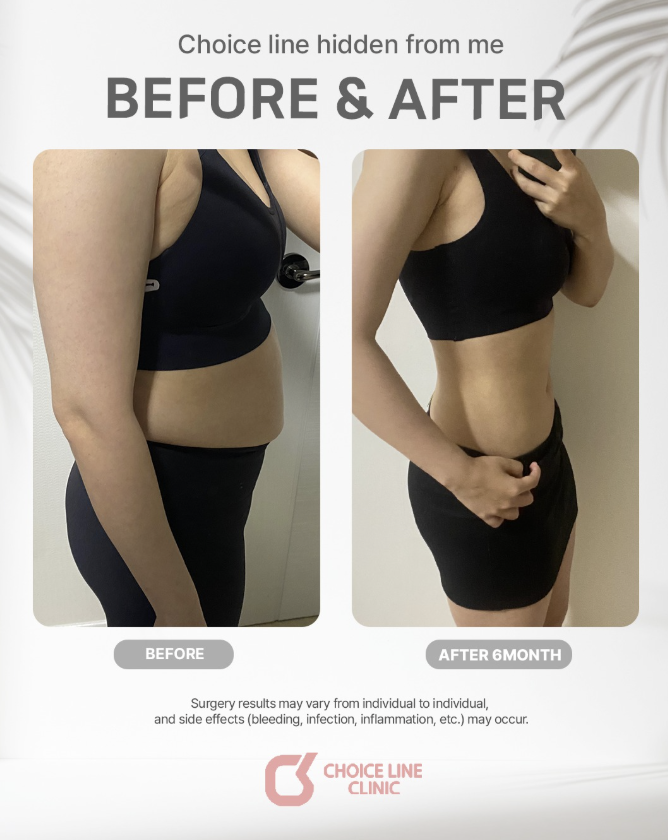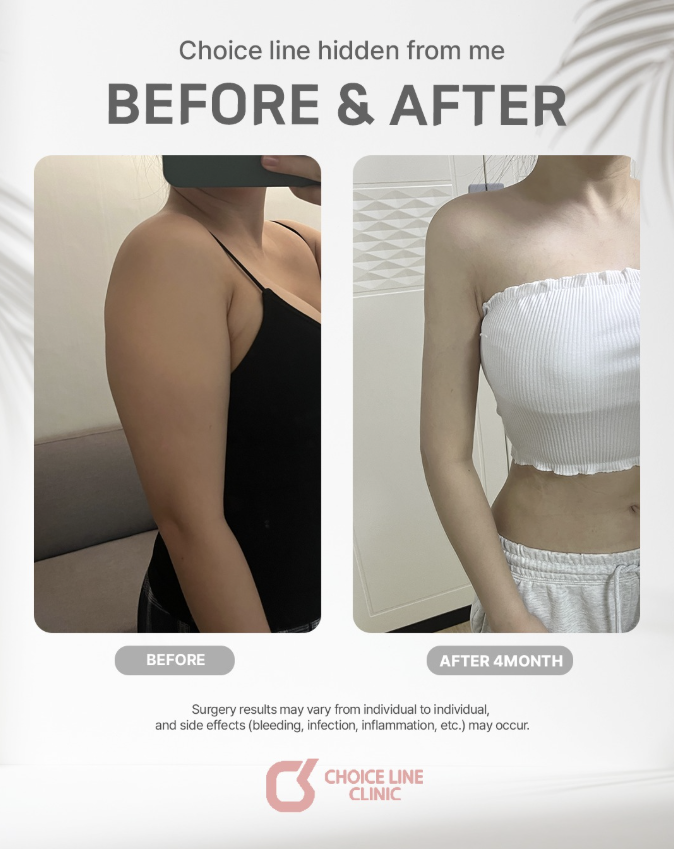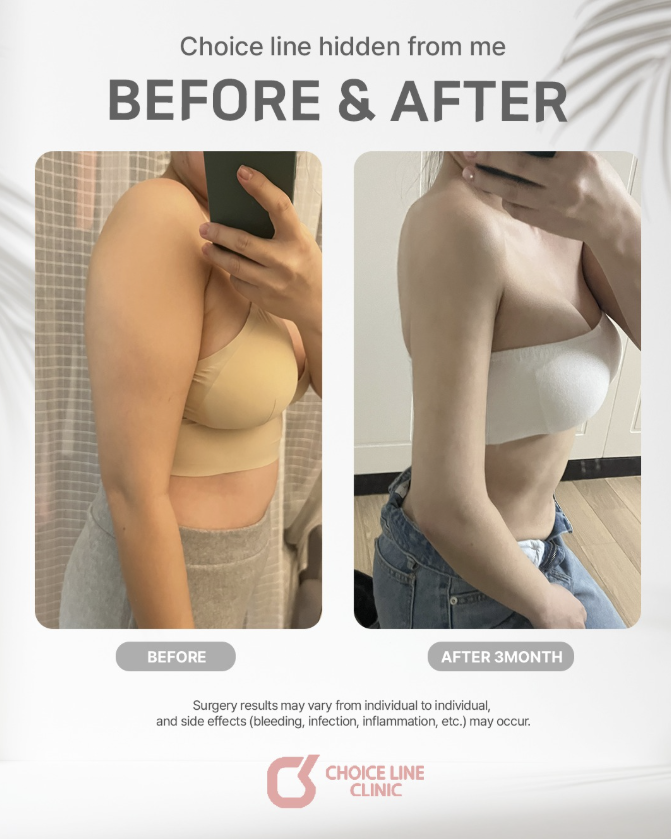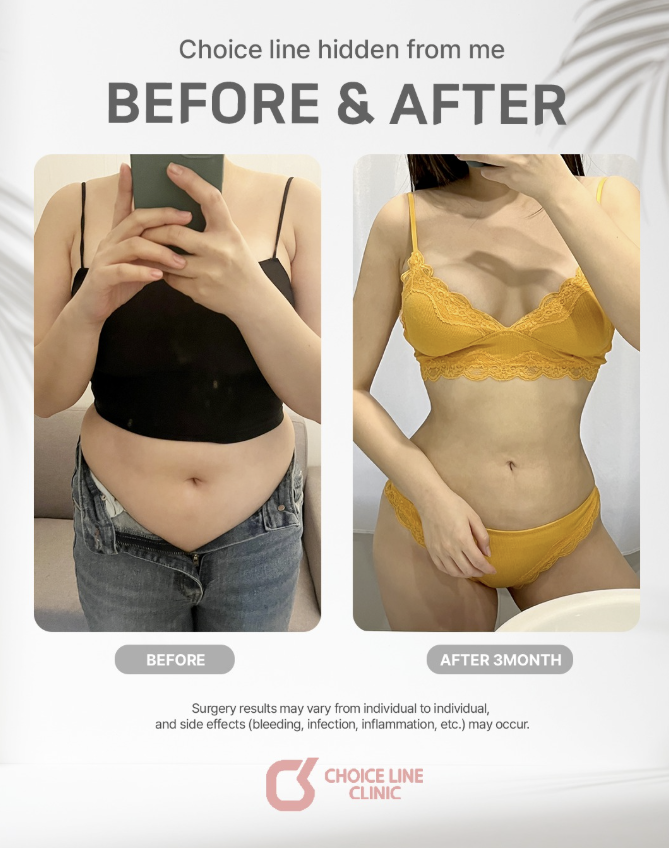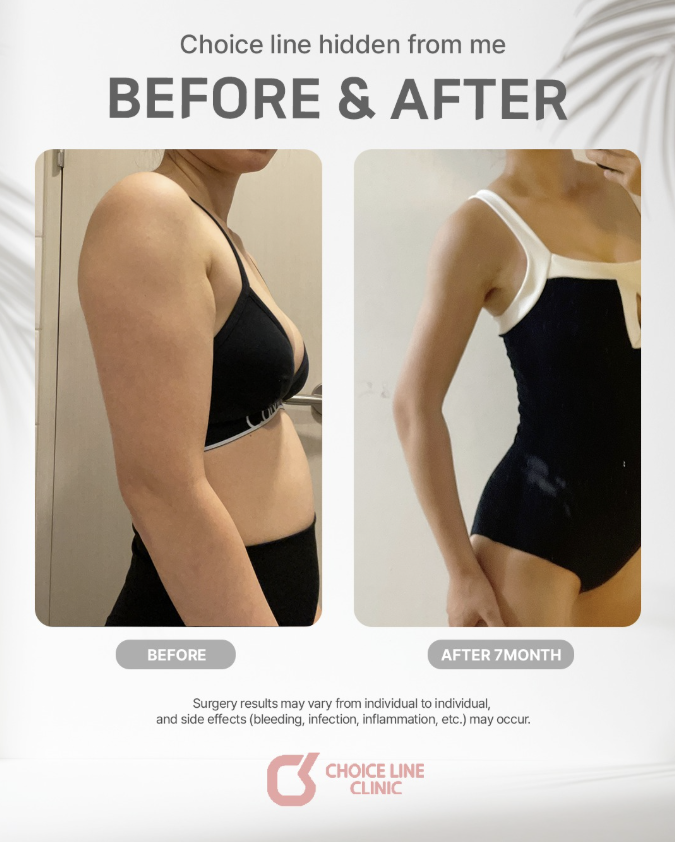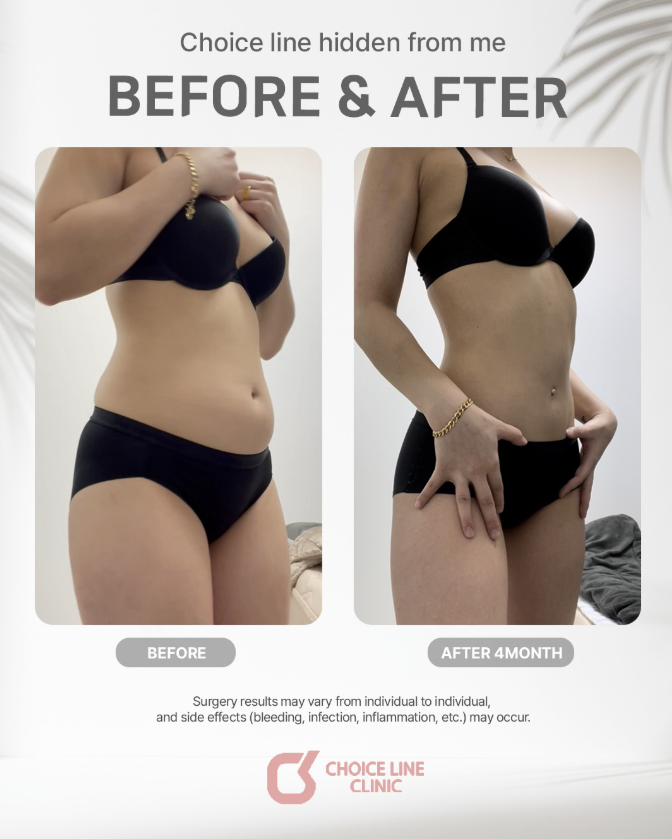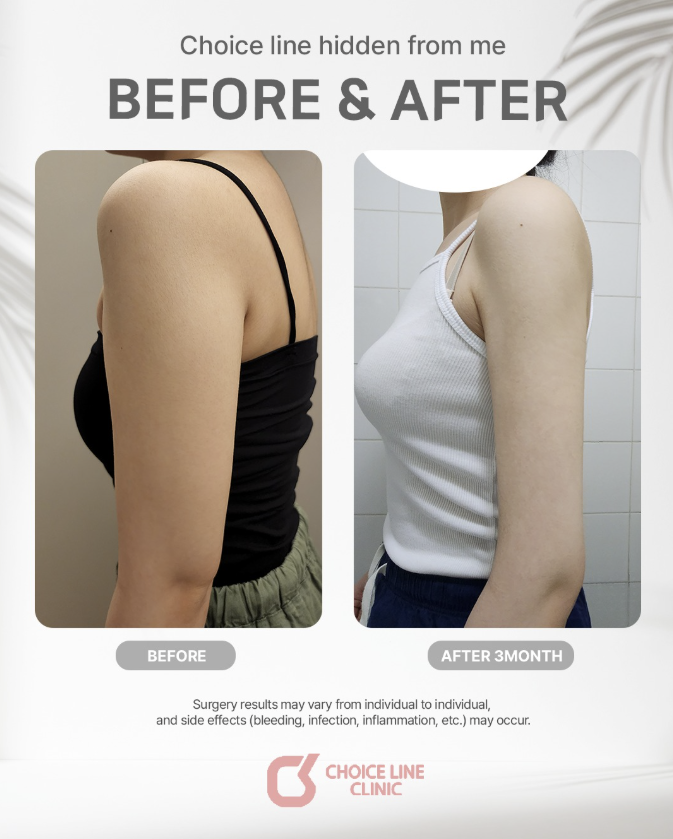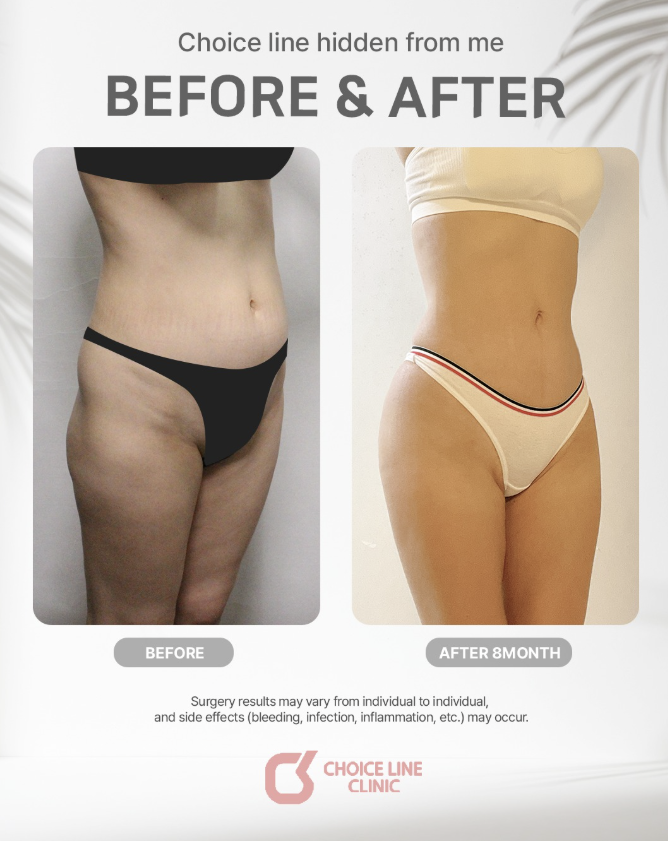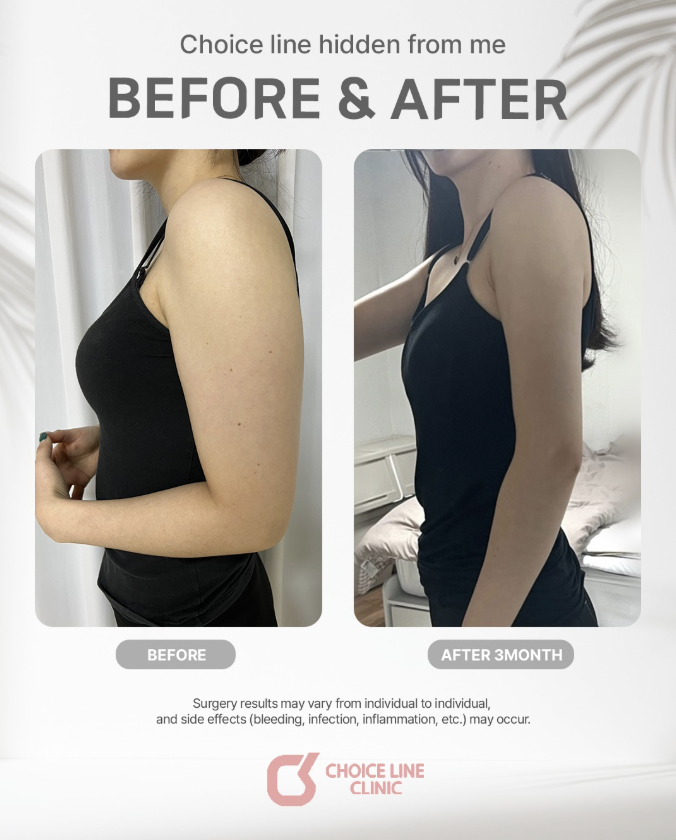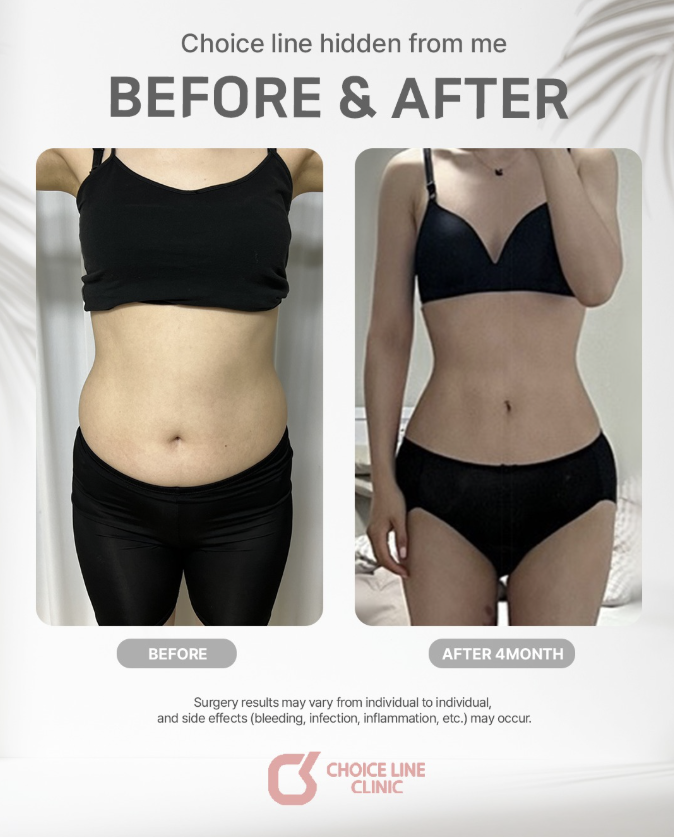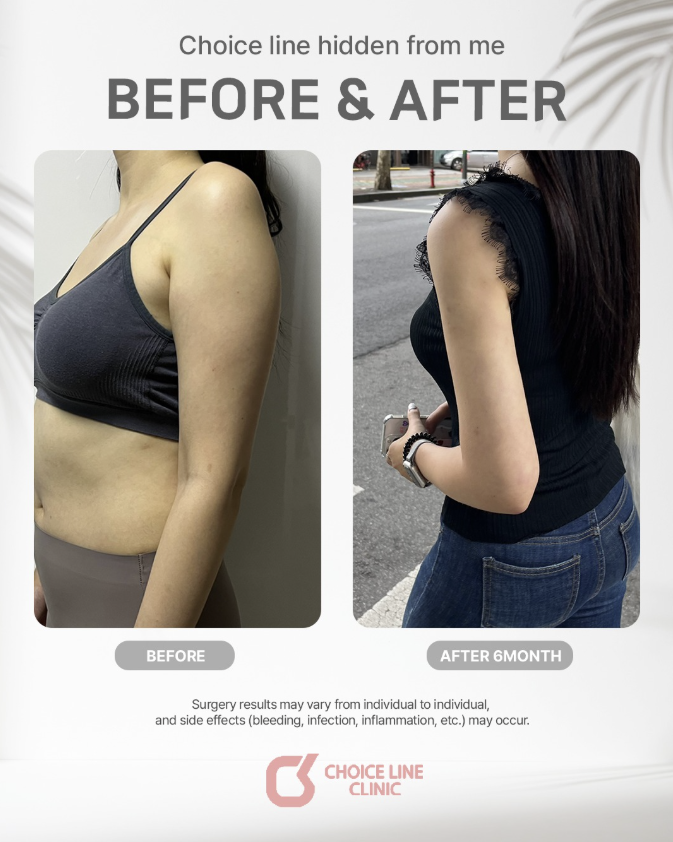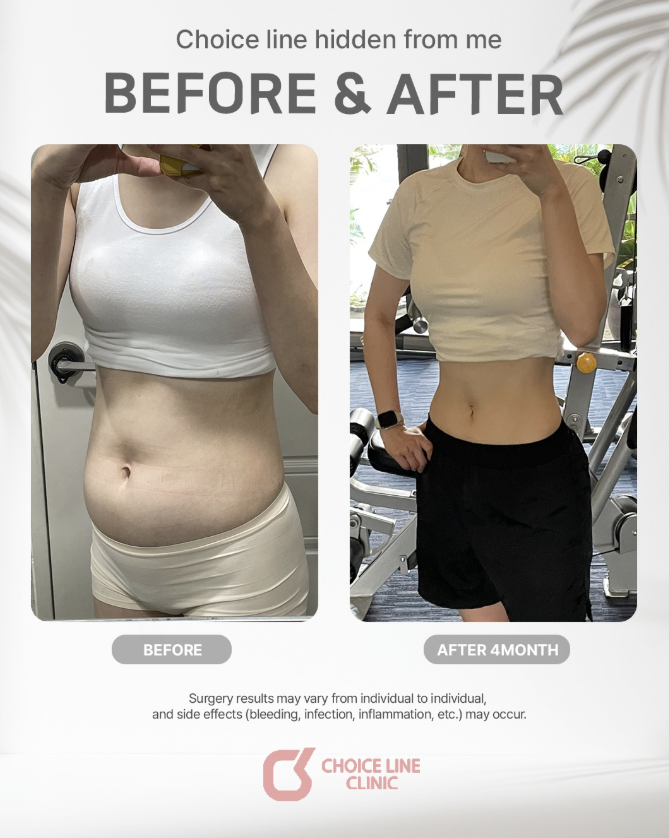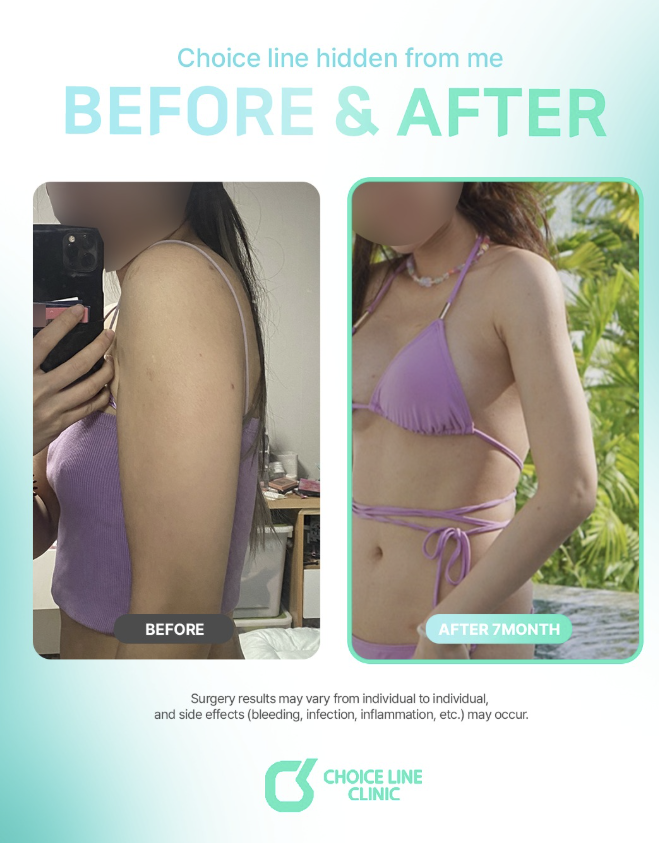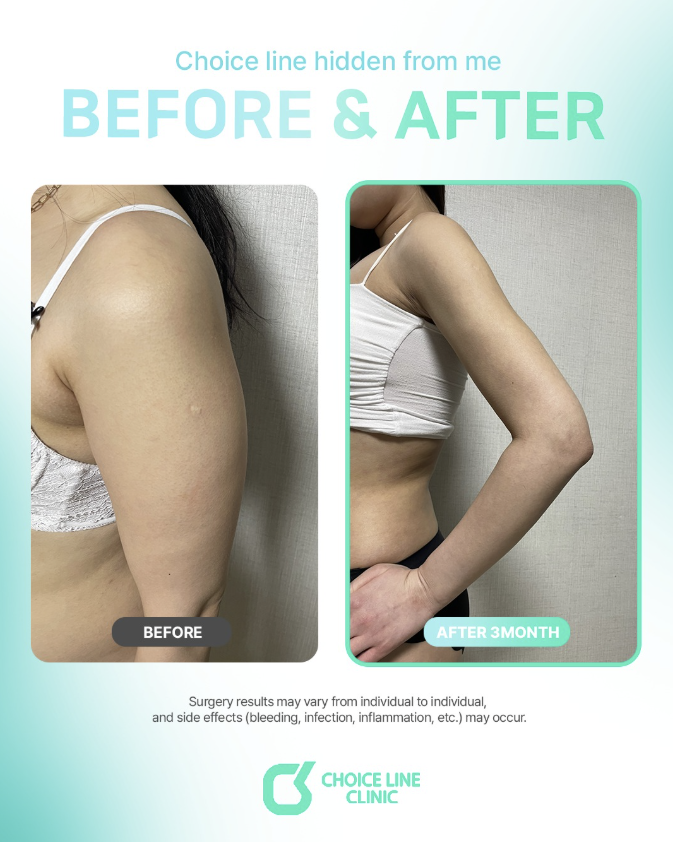

Many people notice that their arms are not perfectly even. One arm may look fuller, or there may be bumps and dips along the upper arm. Liposuction can sometimes improve these irregularities, but only when fat is the main cause. A careful assessment comes first.
01 Common Causes of Uneven Arm Contours
Arm unevenness can come from several sources:
- Uneven fat distribution: more fat on one arm than the other
- Muscle differences: the dominant arm is often more developed
- Loose skin: laxity can create folds or dips
- Previous procedures: irregularities after earlier liposuction
- Posture: shoulder position can make one arm look different
Each cause needs a different solution, so identifying the main contributor is essential before treatment.
02 What the Surgeon Checks First
- Comparing both arms in several positions
- Pinch testing to compare fat thickness
- Checking muscle size and tone on each side
- Looking for skin laxity or scars
- Reviewing any history of previous arm treatment
Photographs taken from standard angles help confirm what is fat and what is muscle or skin. Measurements can also highlight differences that are hard to see.
Your surgeon may also ask whether the difference has always been there or developed after weight change, injury or a previous procedure, since the history often points to the cause.
03 When Liposuction Can Help
- One arm has noticeably more pinchable fat
- Small fat pockets create bumps along the arm
- Fat at the armpit-arm junction looks uneven
- Skin quality is good on both sides
In these situations, removing different amounts of fat from each arm can make them look more balanced. The surgeon plans each side individually rather than treating them identically.
Even when fat is the main cause, small adjustments are usually made rather than large ones, because over-correction can create new unevenness.
04 When Liposuction May Not Help
- Unevenness caused mainly by muscle size differences
- Significant skin laxity on one or both arms
- Natural bone or shoulder asymmetry
- Very thin fat layers with little to remove
In these cases, training, skin tightening or other procedures may be more appropriate. A good surgeon will explain this honestly.
For example, a dominant arm that is larger because of muscle can be balanced more effectively with training on the other side than with fat removal.
05 Correcting Irregularities After Previous Liposuction
- Dents or grooves from over-removal
- Remaining fat pockets from under-treatment
- Uneven texture under the skin
- Asymmetry between the two arms
Revision can involve careful additional liposuction, fat grafting into hollows or a combination. These cases are more complex and require an experienced surgeon.
Revision is generally planned only after the tissue has fully healed from the first procedure, which is often at least six months later.
06 Setting Realistic Goals
- Perfect symmetry is rarely achievable
- The goal is arms that look balanced in everyday life
- Small differences may remain after treatment
- Muscle training can further improve balance
Understanding that natural bodies are slightly asymmetric helps you judge the result fairly and avoid chasing tiny differences.
Taking your own photos in the same lighting and position over time is a simple way to judge whether the overall balance has improved.
07 Recovery Considerations
- Swelling may be uneven between the arms at first
- Compression sleeves help both arms settle evenly
- Results should be judged after three to six months
- Follow-up photos help track improvement
Because early swelling can exaggerate differences, it is important not to judge symmetry too soon after surgery.
Massage or other aftercare treatments are sometimes recommended to help the tissues settle evenly, but these should only be started when your surgeon advises.
08 Questions to Ask Your Surgeon
- What is causing my arm unevenness?
- Will you treat each arm differently?
- Would fat grafting help with dips or hollows?
- How much improvement is realistic for my arms?
- How will you assess symmetry after surgery?
These questions help you understand whether liposuction can address your specific concern and what other options might help.
Liposuction can improve uneven arm contours when the difference is mainly fat. Muscle differences, loose skin and natural asymmetry need other approaches, so a careful assessment of the cause comes first.
This article is for general information only and is not medical advice. Suitability, technique and recovery differ for every person, so please discuss your situation with a qualified surgeon.