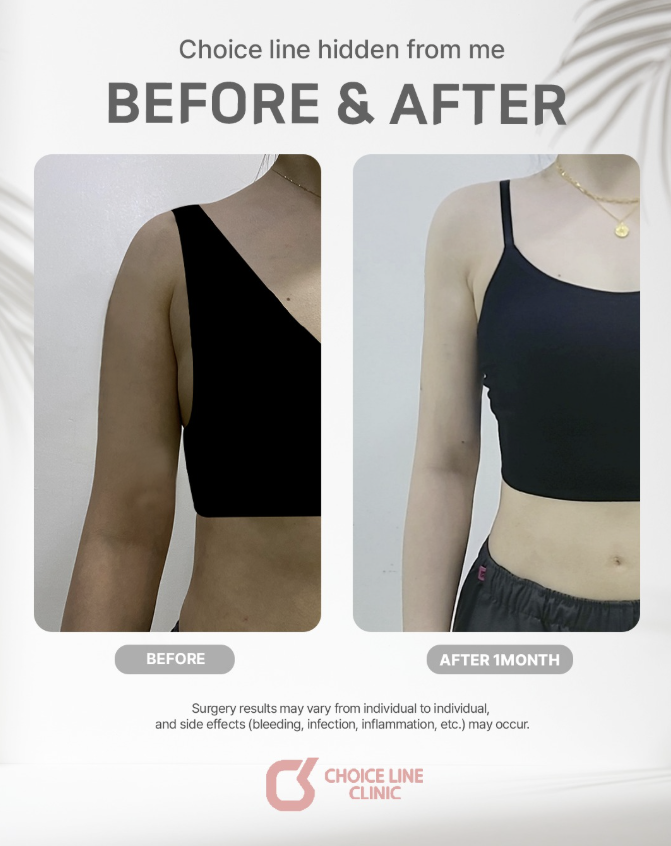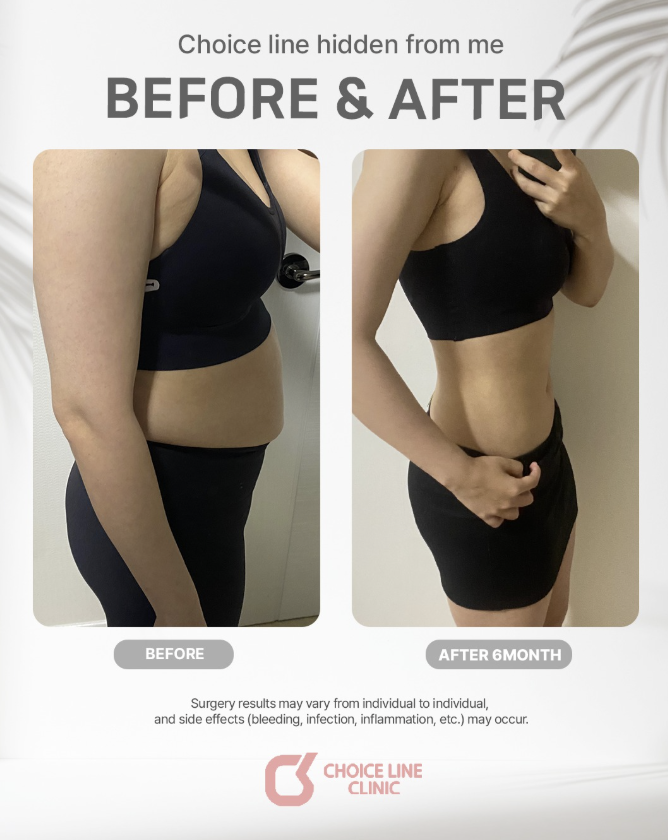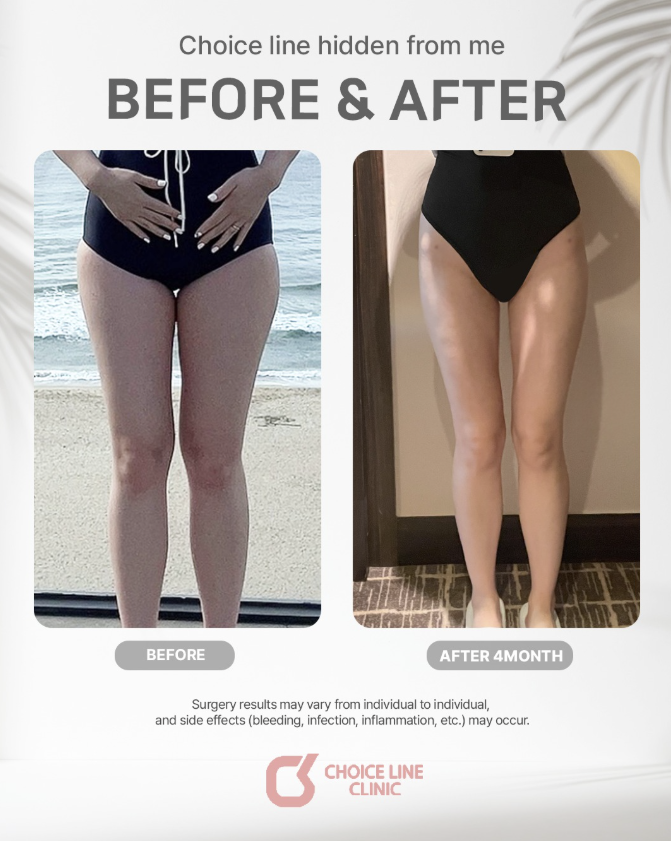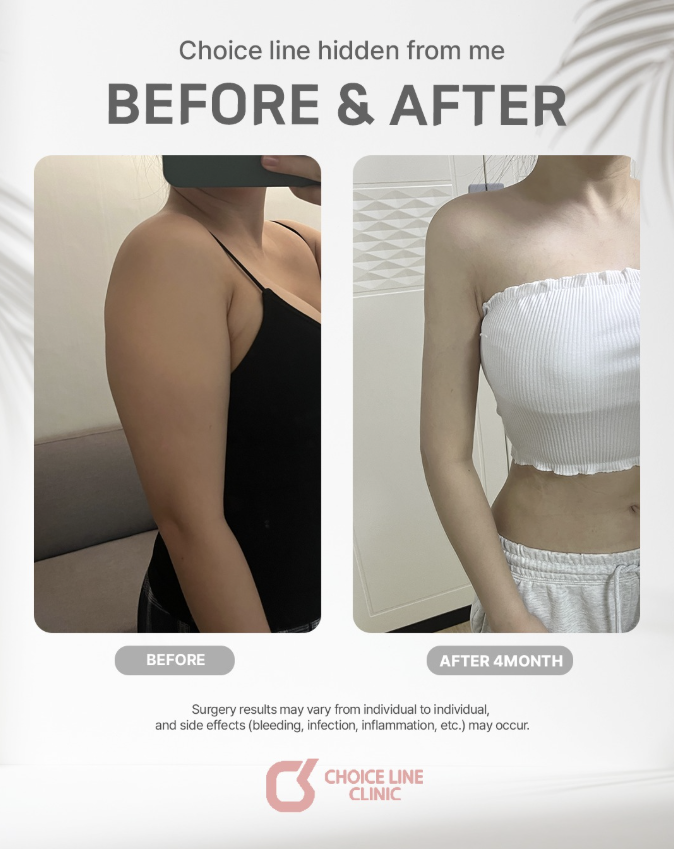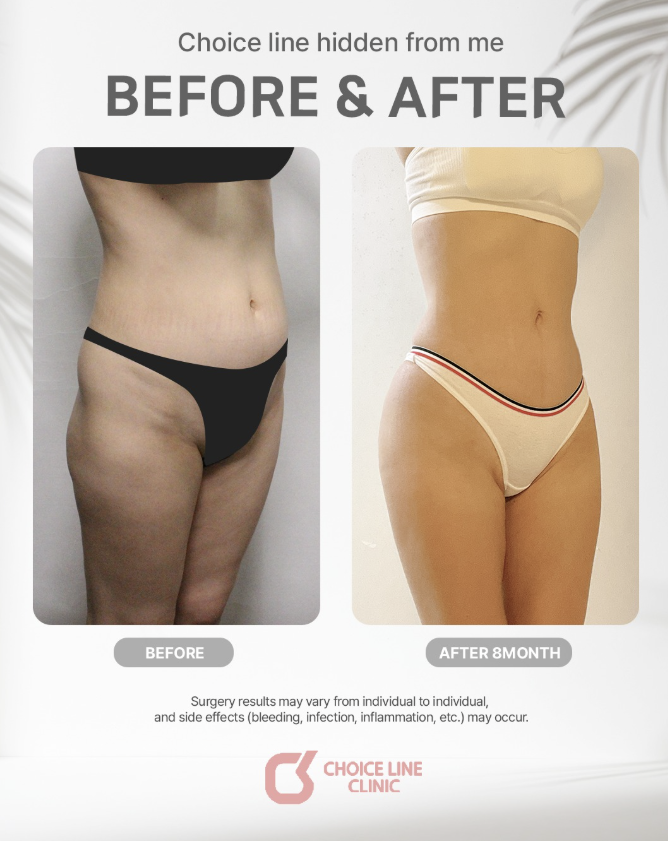
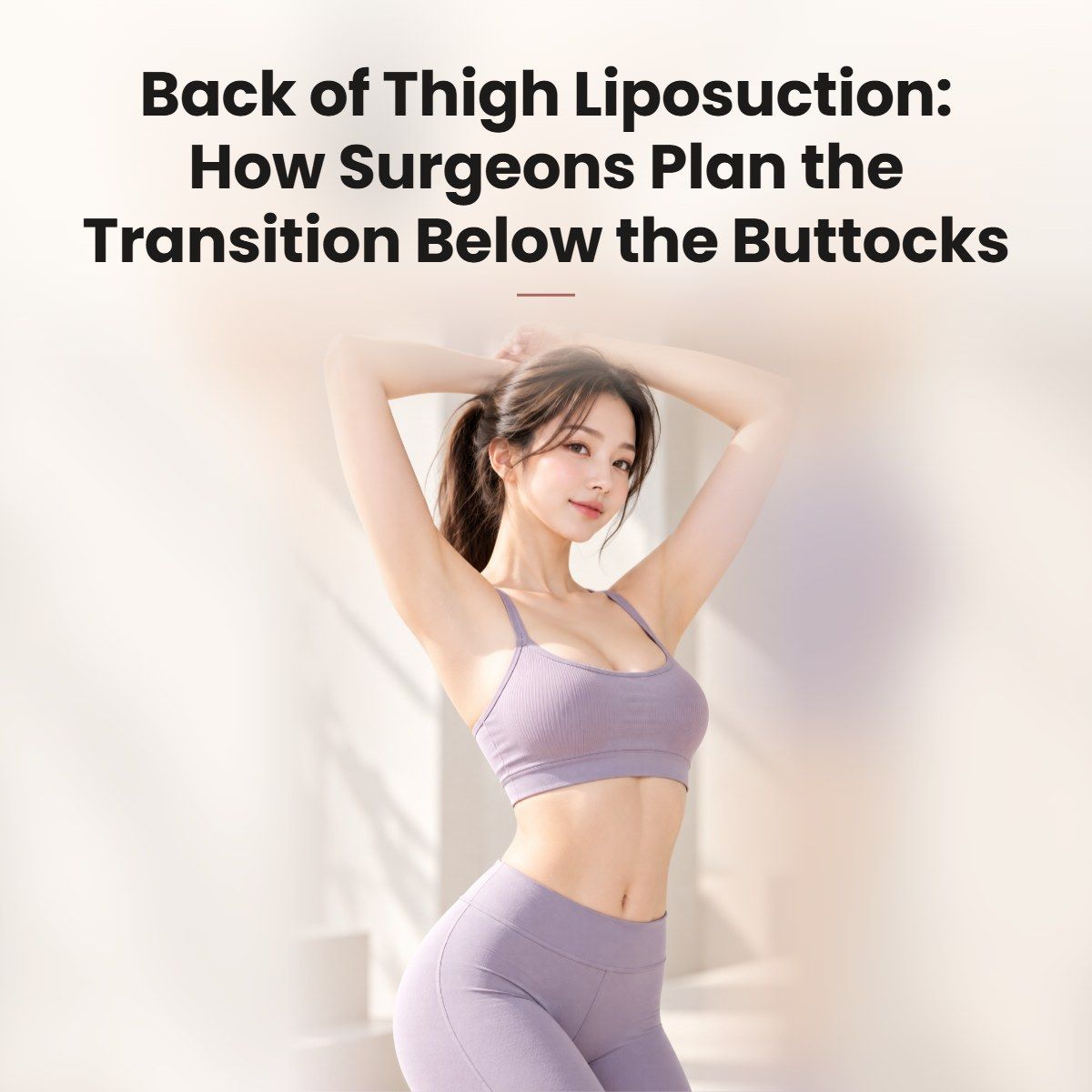
The back of the thigh, just below the buttocks, is a sensitive area for body contouring. Fat here affects how the buttocks are supported and how the leg looks from behind. Planning liposuction in this region requires care, because removing too much fat can change the buttock crease and create sagging rather than improvement.
01 Anatomy of the Back of the Thigh
The posterior thigh includes several important zones:
- Upper posterior thigh: just below the buttock crease
- Banana roll: a fold of fat directly under the buttock
- Mid-posterior thigh: the larger area down toward the knee
- Transition to inner and outer thigh: the sides of the back of the leg
Each zone plays a different role. The upper posterior thigh and banana roll help support the shape of the buttocks, so they are treated with particular caution.
The relationship between these zones changes with age, weight and muscle tone, so the same plan would not suit everyone with a similar-looking back of thigh.
02 Why the Transition Below the Buttocks Matters
- Fat under the buttock crease provides support
- Over-treatment can lengthen or blur the crease
- Excess removal may make the buttocks appear to droop
- A smooth transition makes the leg look longer
Surgeons aim for a clean, natural line between the buttock and thigh rather than a sharp or deepened fold. This requires conservative, precise shaping.
03 How Surgeons Assess the Area
- Standing views from behind and the side
- Checking the buttock crease length and position
- Pinch test of the banana roll and posterior thigh
- Assessing skin quality and cellulite
- Considering overall buttock shape and support
The surgeon may also ask you to tense your gluteal muscles to see how the crease changes. This helps predict how the area will look after fat reduction.
04 What Back of Thigh Liposuction Can Change
- Reduce fullness on the back of the thigh
- Soften a prominent banana roll in suitable cases
- Create a smoother line from buttock to knee
- Improve how fitted trousers and skirts sit
Many people prefer subtle refinement here, because dramatic change can affect buttock support. The best results look natural from every angle.
People who mainly want a lifted, rounder buttock may find that fat grafting or targeted gluteal training gives more benefit than removing fat below the crease.
05 Risks to Discuss
- Buttock ptosis (sagging) if support fat is removed
- A double crease or lengthened fold under the buttock
- Contour irregularities or dimpling
- Asymmetry between the two sides
These risks are a key reason why this area is considered more advanced. Choosing an experienced surgeon and a conservative plan reduces them.
Many of these issues are difficult to correct once they occur, which is why prevention through careful planning is so important in this region.
06 Who May Be a Suitable Candidate?
- Pinchable fat on the back of the thigh
- Good skin elasticity in the area
- Well-supported buttocks with a defined crease
- Stable weight and good general health
- Realistic expectations about subtle change
If the buttocks already sag, treating the back of the thigh may make it worse. Alternative options, such as fat grafting or lifting procedures, may be discussed.
07 Recovery Considerations
- First days: discomfort when sitting
- Weeks 1–4: compression garment covering buttocks and thighs
- Months 1–3: swelling settles and the transition becomes clearer
- Months 3–6: the result is usually close to final
Sitting on a soft cushion and changing position often helps. Long periods of sitting, such as long flights, should be discussed with your surgeon.
It is also common for the area to feel firm or lumpy for several weeks as the tissues heal, which usually softens gradually.
08 Questions to Ask Your Surgeon
- How will you protect the support under my buttocks?
- Is my banana roll suitable for treatment?
- What is the risk of sagging in my case?
- Should the inner or outer thighs be treated too?
- How long until I can sit comfortably for long periods?
These questions help you judge how carefully the plan protects the buttock-thigh transition.
The back of the thigh supports the buttocks, so liposuction here must be conservative and precise. A careful plan smooths the leg line without lengthening the crease or causing sagging.
This article is for general information only and is not medical advice. Suitability, technique and recovery differ for every person, so please discuss your situation with a qualified surgeon.