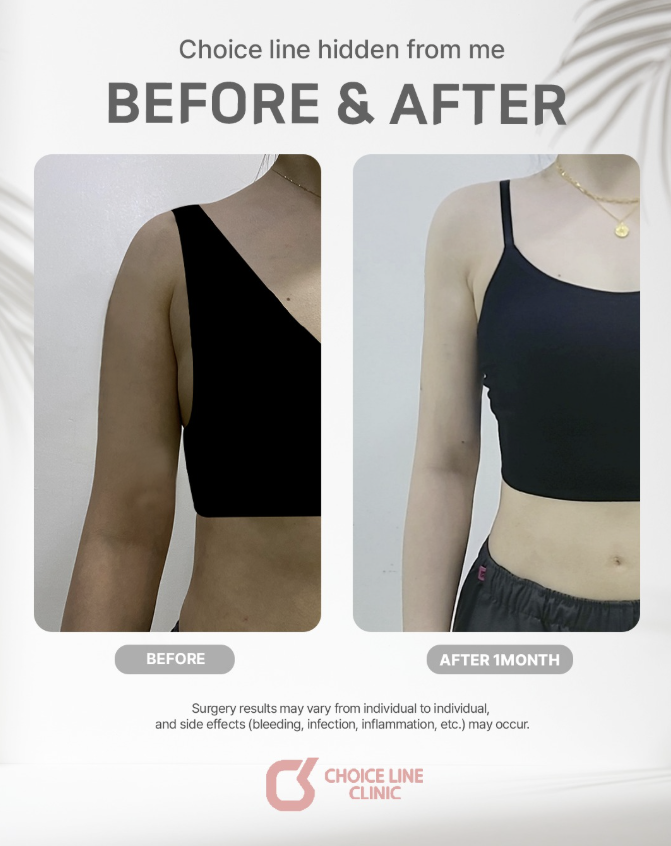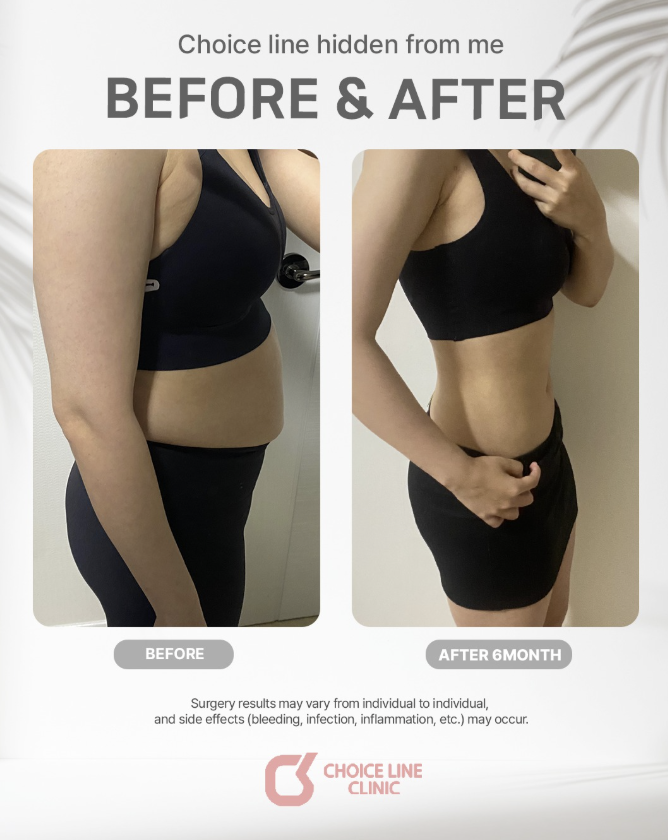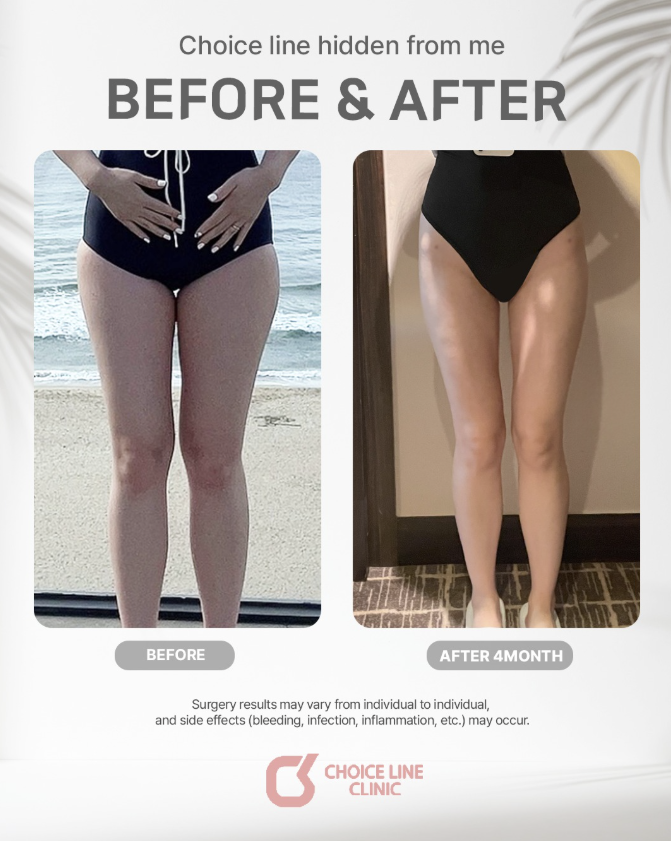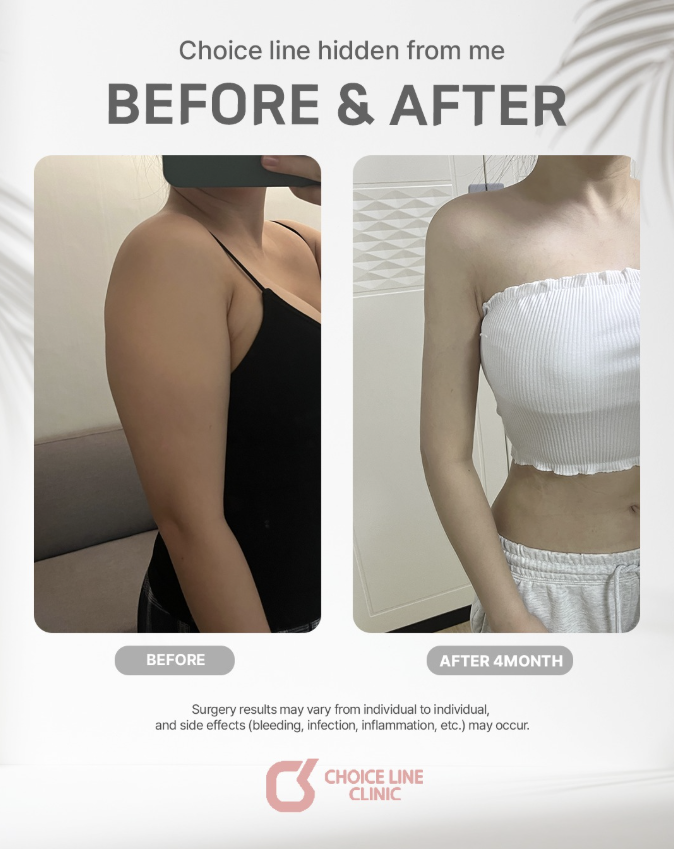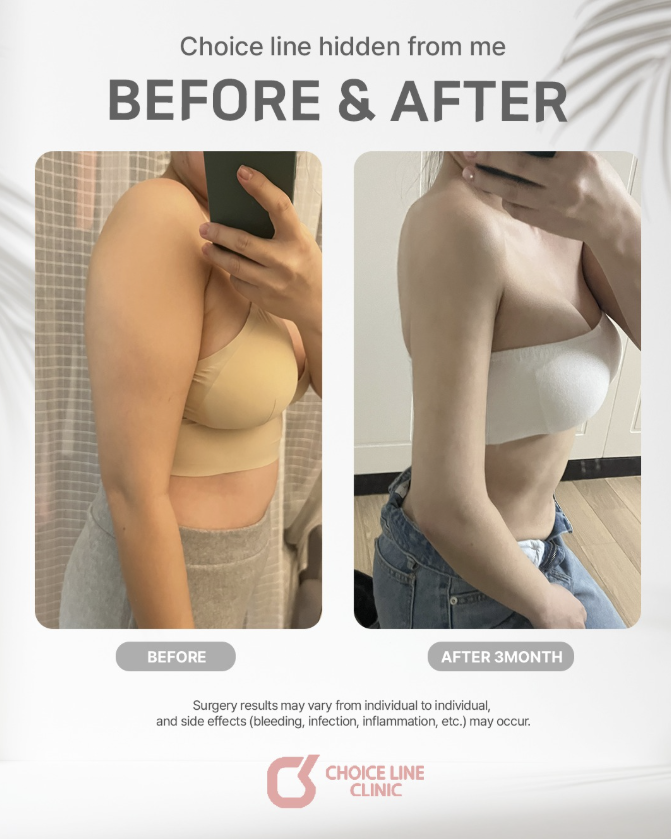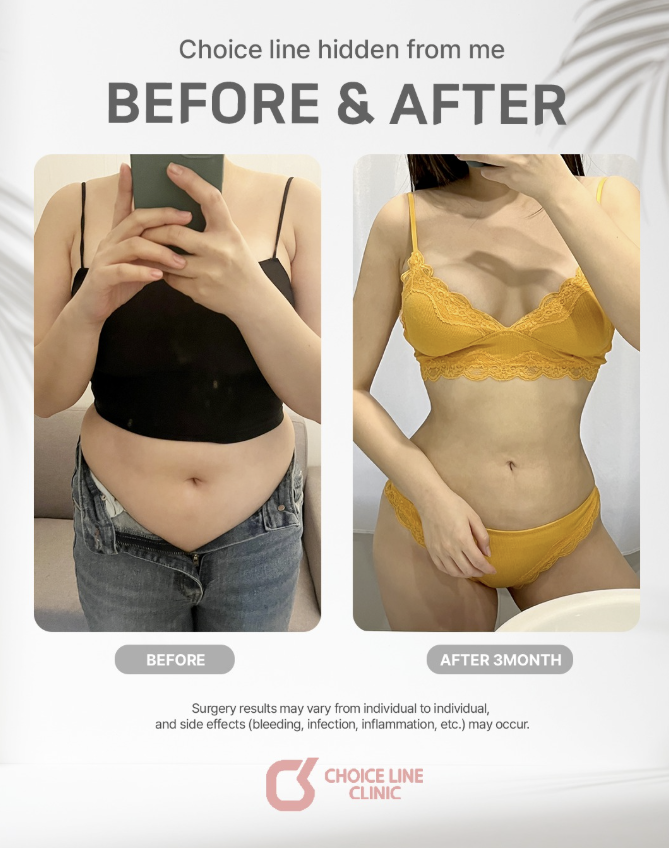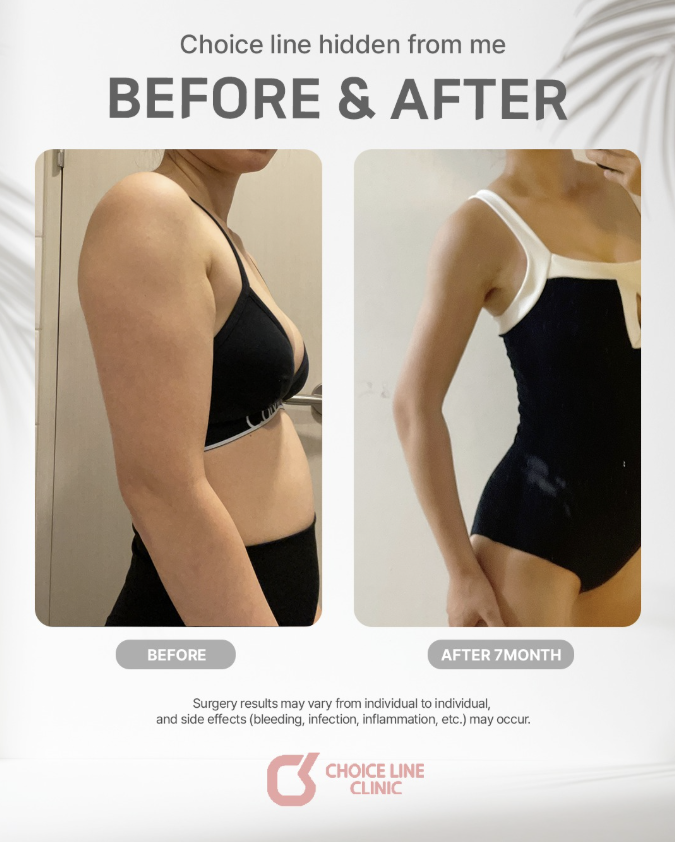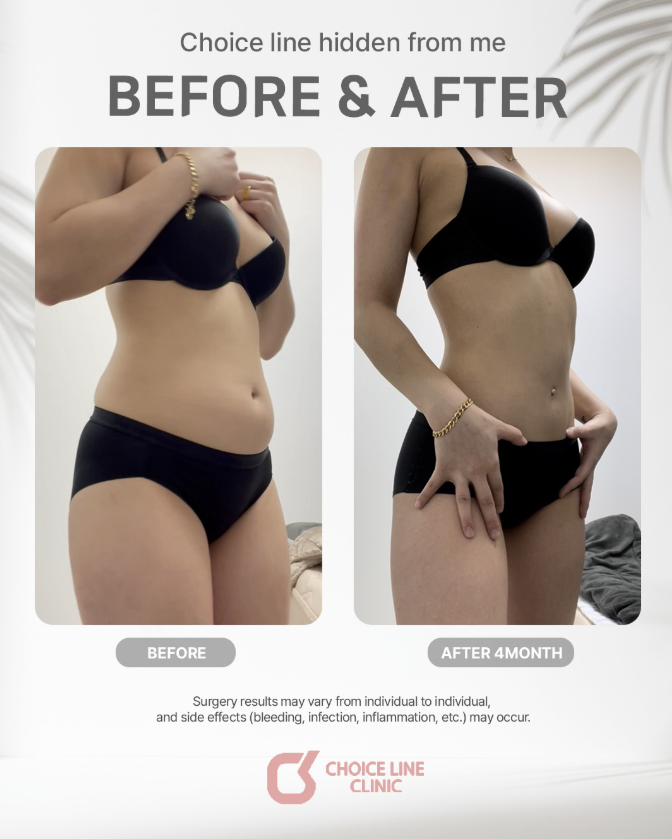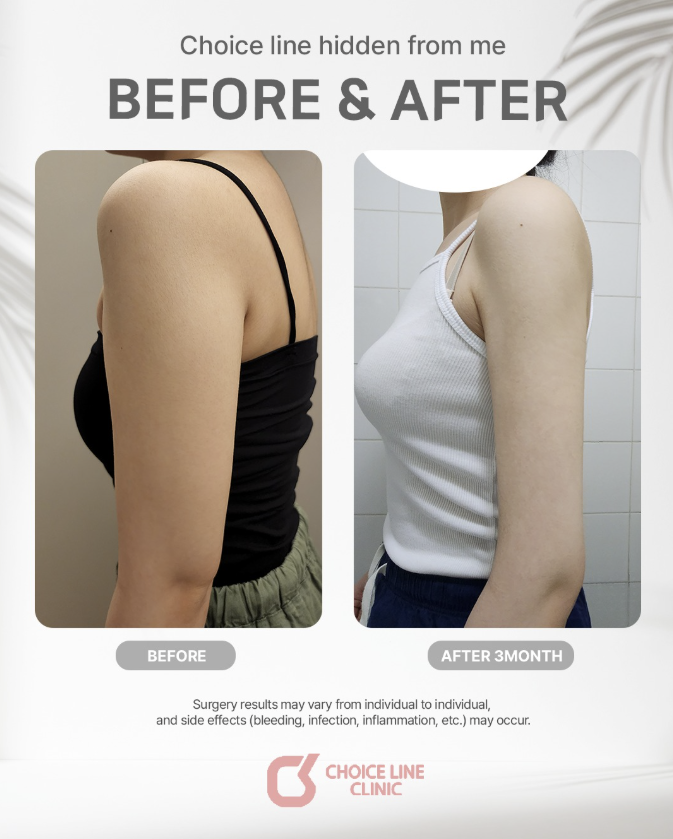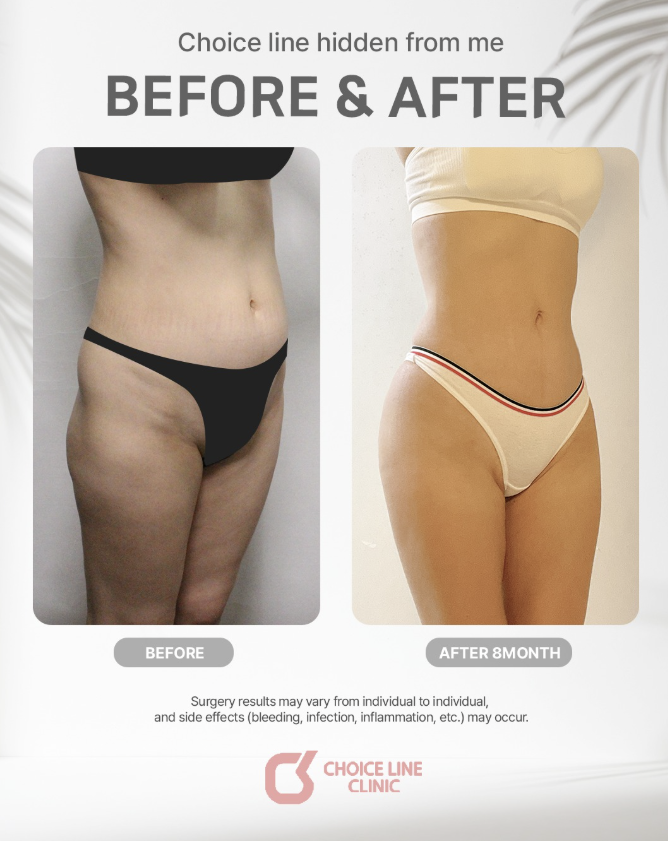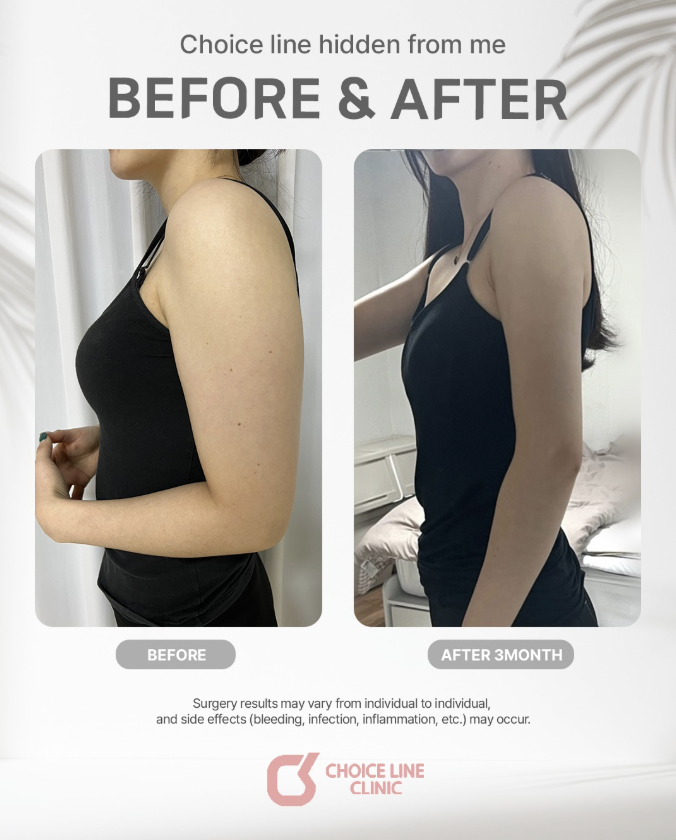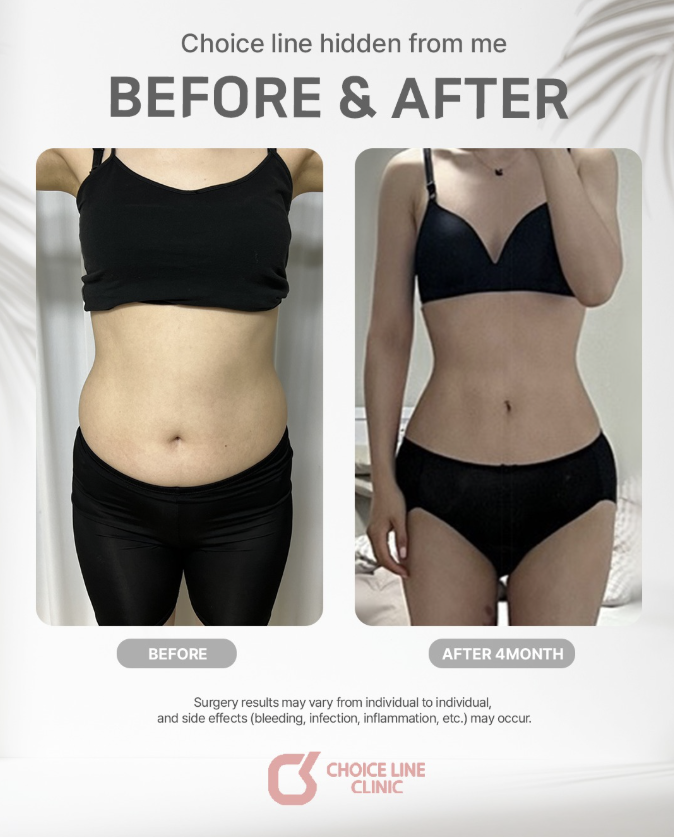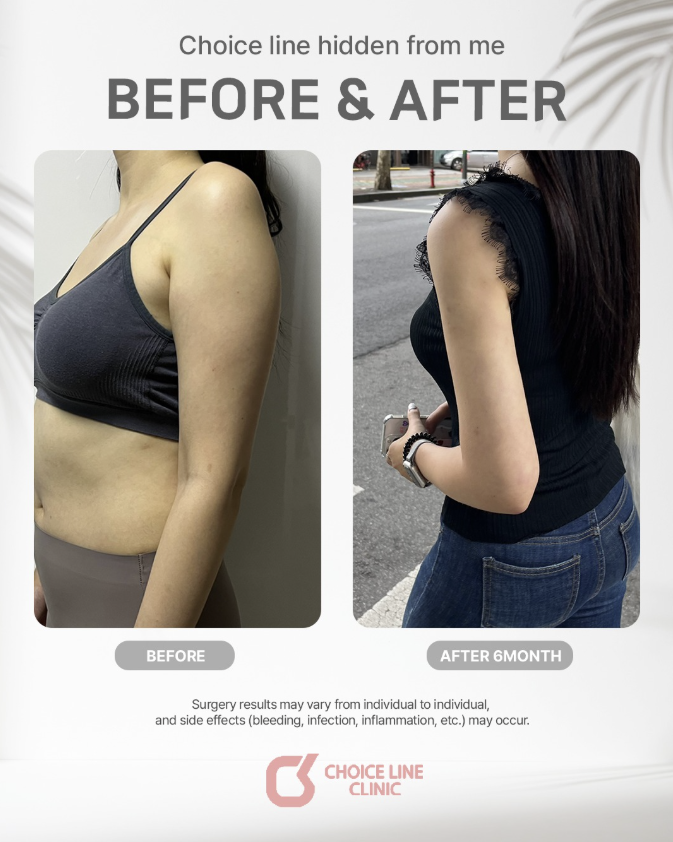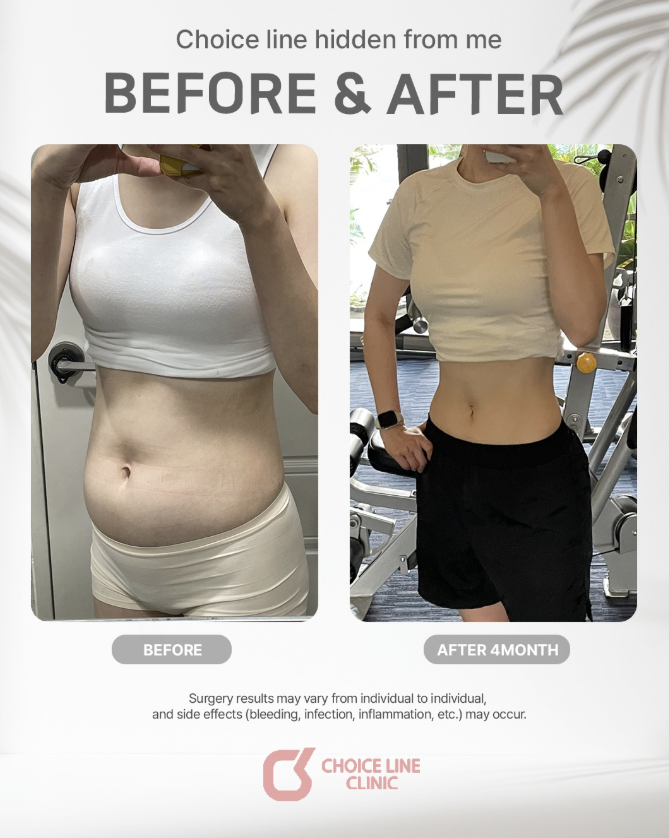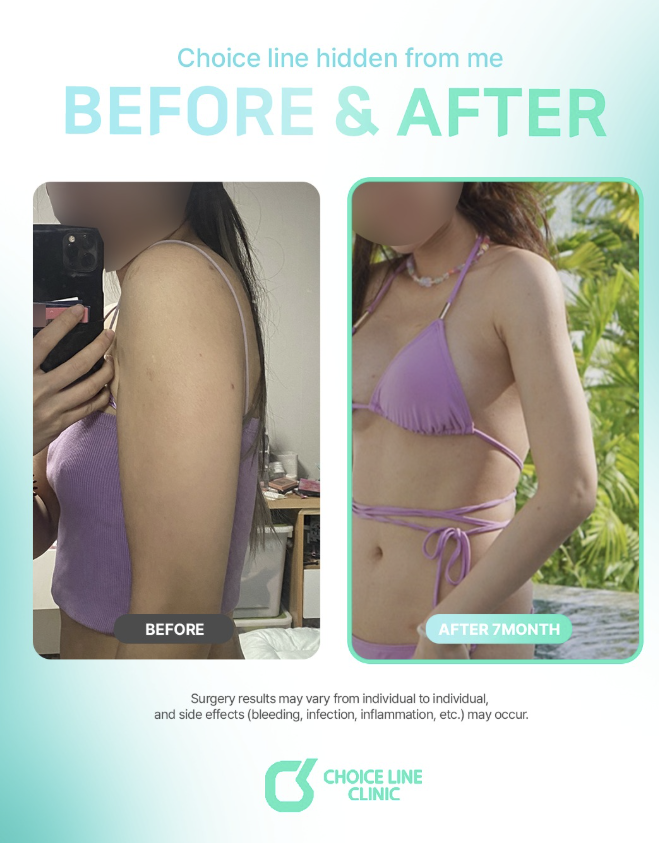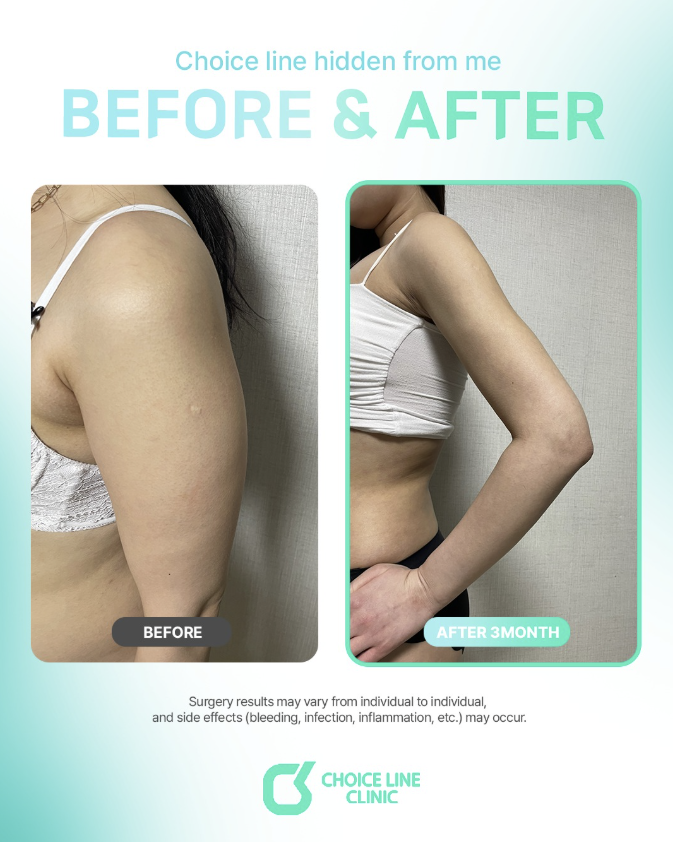
Waist liposuction can remove fat that blurs the natural curve of the torso, but fat is only one part of waist shape. The bones underneath — the rib cage and the pelvis — and the distance between them set the frame that any contouring works within. Understanding your frame helps you set realistic goals before surgery.
01 What Creates the Shape of a Waist?
A waist is defined by the relationship between several structures:
- Rib cage: its width and how it tapers at the bottom
- Pelvis: the width and shape of the hip bones
- Torso length: the space between the lowest rib and the top of the hip
- Soft tissue: fat, skin and muscle over these bones
Liposuction changes only the soft tissue. The other factors remain the same, so they strongly influence how dramatic the change can be.
02 How Rib Cage Width Affects the Result
- A wide or flared lower rib cage limits how narrow the upper waist can look
- A narrower rib cage often allows more visible curve after fat reduction
- Rib flare can make the upper abdomen look fuller even when fat is minimal
Surgeons examine the rib margin carefully, because removing fat over prominent ribs can make them look sharper rather than creating a smoother waist.
A rib cage that flares outward at the bottom is common and is usually a normal anatomical variation. It simply means that the narrowest part of the waist may sit a little lower than expected.
03 How Hip Shape Affects the Result
- Wider hips: the waist naturally looks narrower in comparison
- Straighter hips: the waist-to-hip difference is smaller
- Hip dips: indentations below the hip bone affect the side silhouette
For some people, adding volume to the hips with fat grafting changes the waist-to-hip ratio more than removing fat from the waist alone. This is why combined plans are sometimes suggested.
04 Short and Long Torsos
- A short torso has less space between ribs and hips, so curves can look more compact
- A long torso gives more room for a visible inward curve
- Torso length also affects how compression garments fit during recovery
There is no better or worse torso type, but knowing yours helps your surgeon plan where the narrowest point of the waist should sit.
Posture also plays a role. Standing tall with a neutral pelvis can visibly change how long and defined the waist appears, both before and after surgery.
05 What Waist Liposuction Can Realistically Do
Within your natural frame, waist liposuction may:
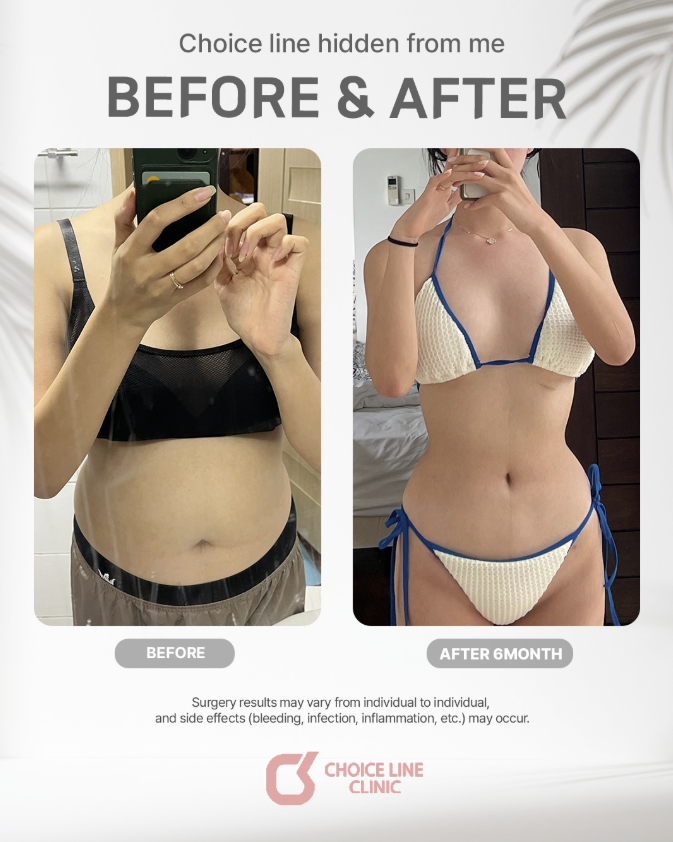
- Reduce side and front fat that hides the waist curve
- Improve symmetry between the left and right sides
- Create a smoother transition into the hips and lower back
- Make the waist look more defined in fitted clothing
The change is usually best described as refinement rather than reshaping. Photographs from several angles before surgery help you judge the improvement afterwards.
06 Planning Considerations
Your surgeon will usually consider:
- Whether the flanks and lower back should be included
- How much fat is present over the ribs versus lower down
- Whether hip fat grafting would improve balance
- Your skin elasticity across the torso
- How your weight might change in the future
These factors together determine the most balanced plan for your proportions.
A good plan also considers how you will look in clothing you wear often, such as fitted dresses, trousers or swimwear, because these highlight different parts of the waist.
07 Recovery and Results Timeline
- First week: swelling, tightness and bruising around the waist
- Weeks 2–4: compression garment worn most of the day
- Months 1–3: the waist line becomes visibly clearer
- Months 3–6: results are usually close to final
Waist results can look uneven while swelling settles, so patience matters. Follow-up visits help confirm that healing is on track.
08 Questions to Ask at Your Consultation
- How does my rib cage shape limit or help waist definition?
- Would hip fat grafting change my waist-to-hip ratio more effectively?
- Should my lower back or flanks be treated too?
- What waist change is realistic in centimetres or in photos?
- How will future weight changes affect the result?
These questions keep the discussion focused on your anatomy rather than a one-size-fits-all target.
Bringing a few reference photos of realistic body types similar to your own can help your surgeon understand the look you have in mind.
Waist liposuction reduces fat within the limits of your rib cage, hips and torso length. Understanding your frame — and sometimes combining liposuction with hip contouring — is the key to a natural, balanced waist.
This article is for general information only and is not medical advice. Suitability, technique and recovery differ for every person, so please discuss your situation with a qualified surgeon.