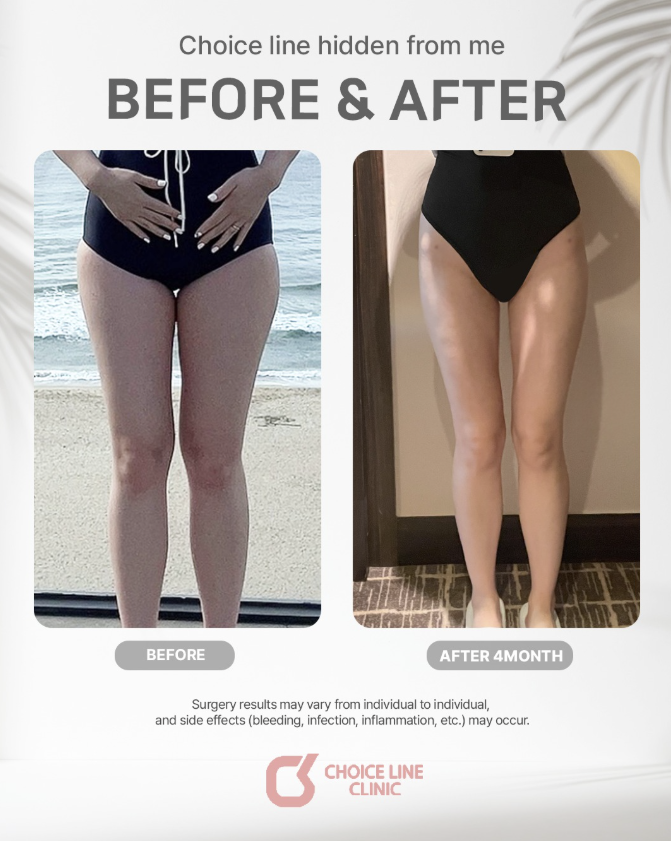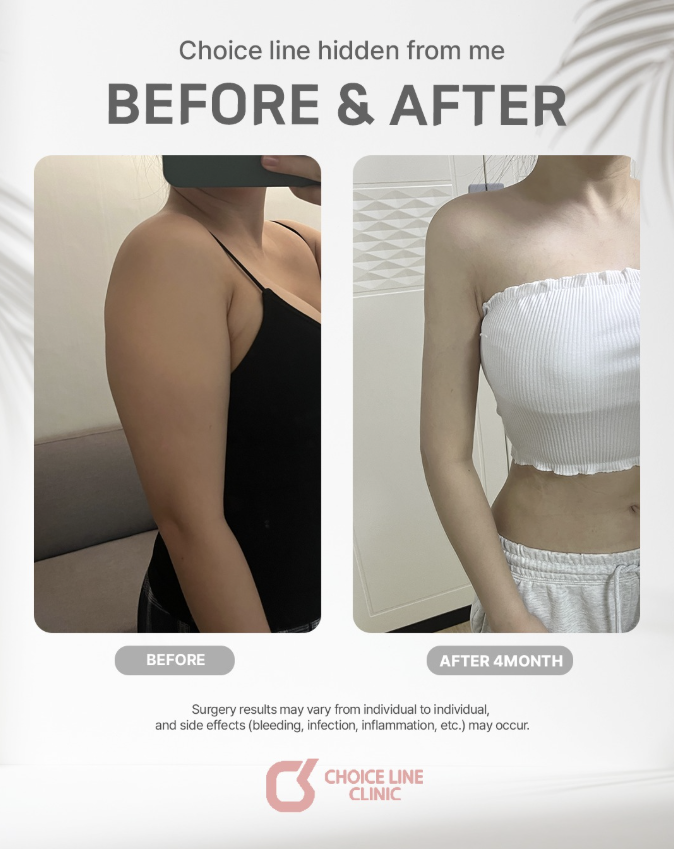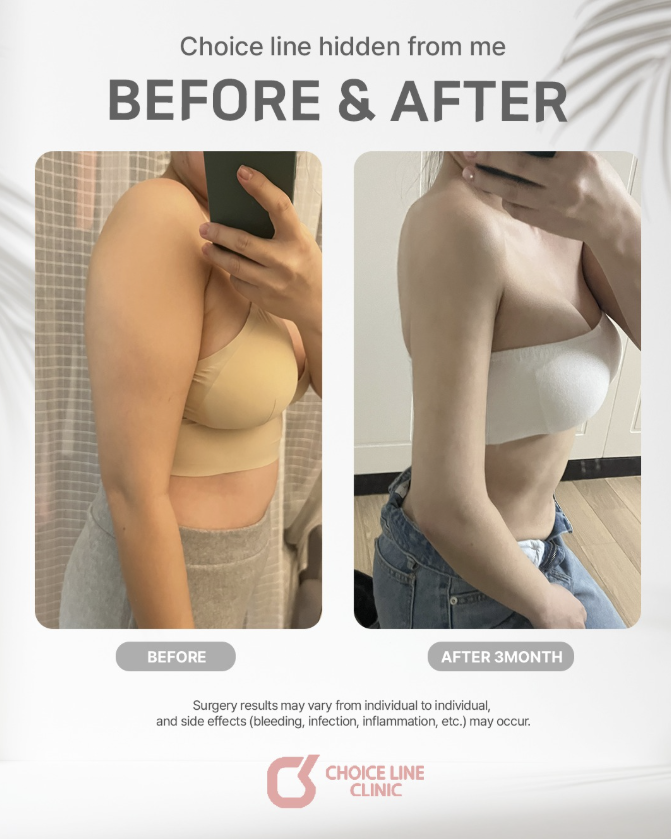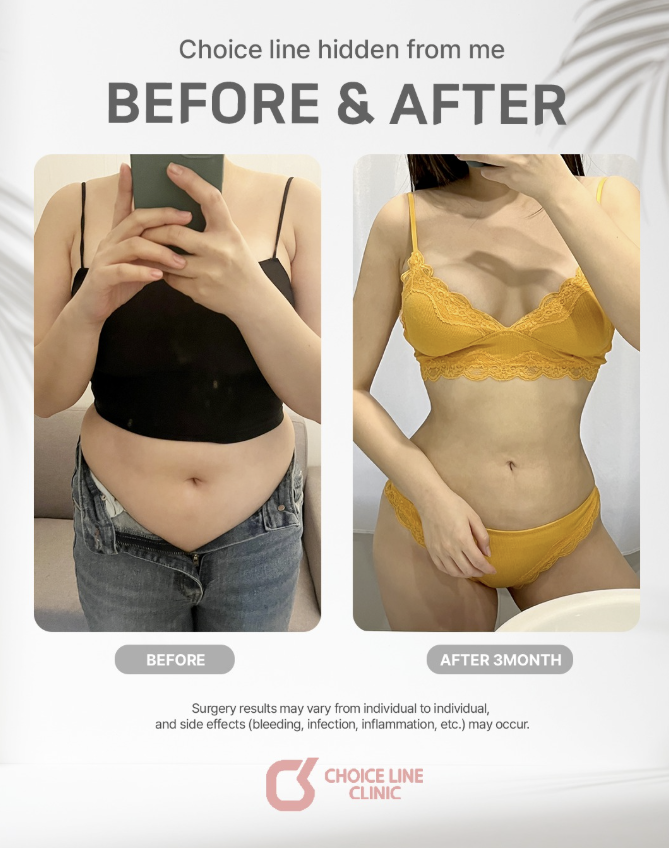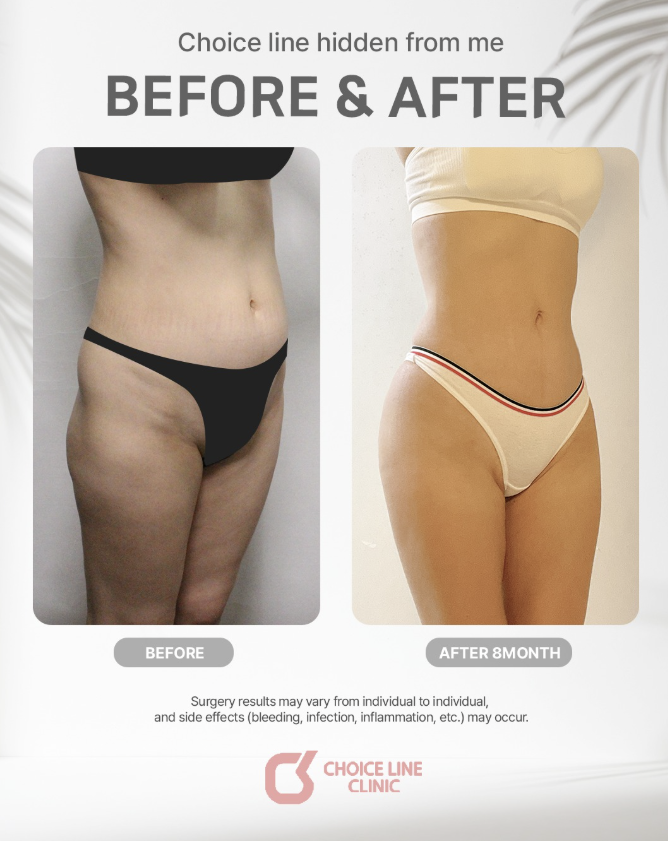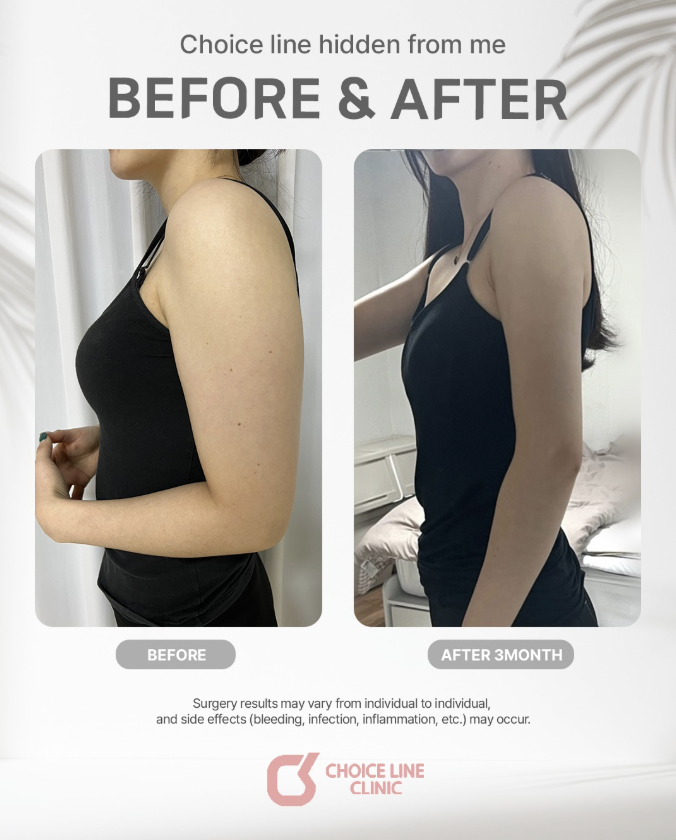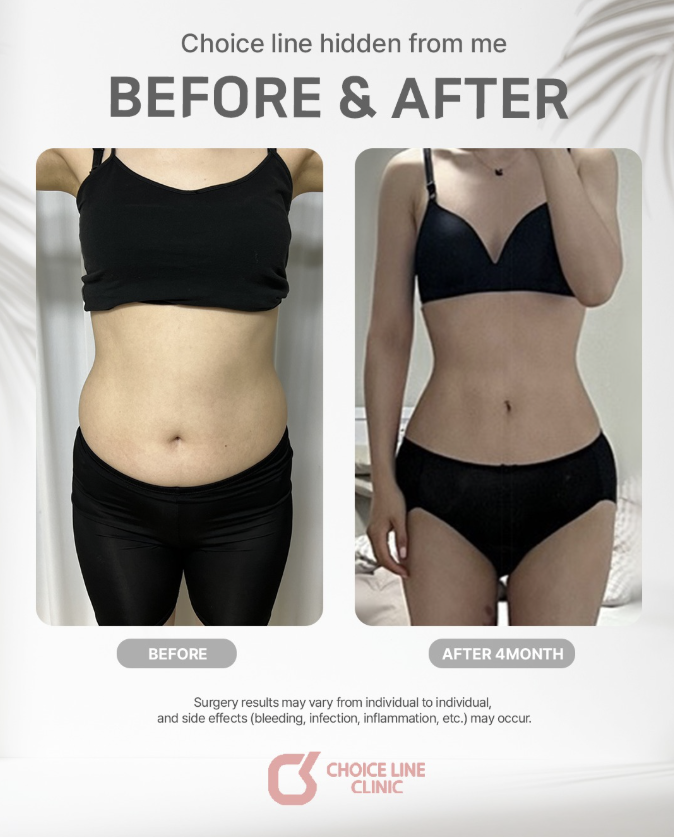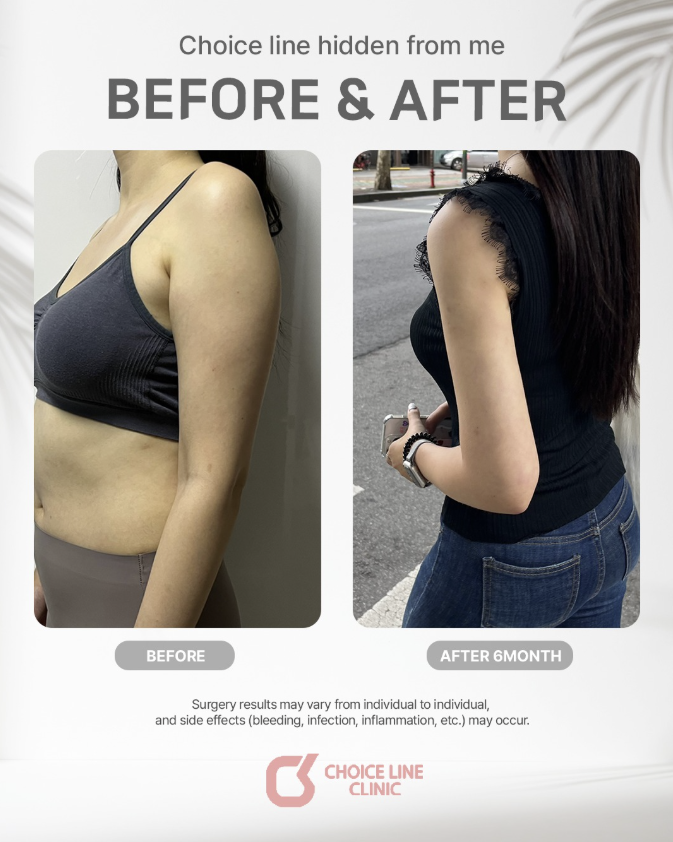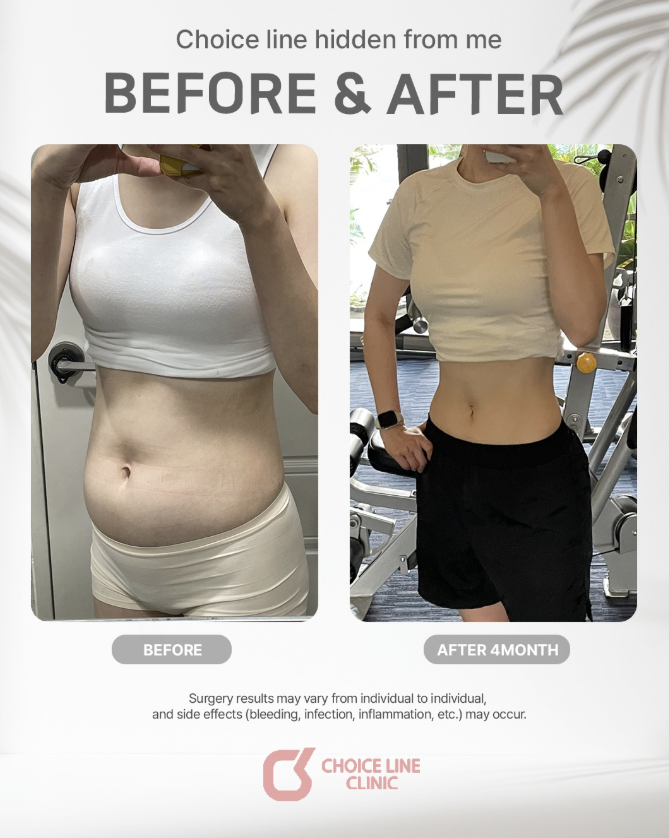

The front of the thigh is a less commonly treated area than the inner or outer thigh, but it can make a big difference to the overall leg shape. Because the large quadriceps muscles sit directly beneath, surgeons need to distinguish carefully between fat and muscle before deciding what liposuction can achieve.
01 What Makes the Front Thigh Look Full?
Fullness at the front of the thigh can come from:
- Subcutaneous fat: soft tissue over the muscle
- Quadriceps muscle: well-developed muscles add volume
- Leg alignment: knee and hip angles affect the silhouette
- Swelling or fluid: sometimes linked to circulation
Only the fat component can be reduced with liposuction. If the fullness is mainly muscle, other approaches may be more suitable.
People who cycle, run or do squats regularly often have well-developed quadriceps, so a full-looking front thigh can sometimes be a sign of fitness rather than excess fat.
02 How Surgeons Assess the Front Thigh
- Pinch test with the leg relaxed and tensed
- Observing the shape when standing and walking
- Comparing the front thigh with inner and outer thigh fat
- Checking the knee area for fat pads
- Assessing skin quality and cellulite
Contracting the thigh muscles helps show how much of the shape comes from muscle versus fat. This test is simple but very informative.
03 When Front Thigh Liposuction Helps
- There is a clear layer of pinchable fat over the quadriceps
- The front thigh looks fuller than the rest of the leg
- The goal is a smoother, straighter leg line
- Skin elasticity is good
In these cases, treating the front thigh can make the leg look longer and more balanced. It is often combined with other thigh zones for a uniform result.
04 When It May Not Help
- Fullness caused mainly by muscle
- Very thin fat layers over the front thigh
- Significant loose skin
- Fluid retention or circulation-related swelling
Treating thin fat over muscle can risk irregularities without much visible benefit. Honest assessment protects you from unnecessary surgery.
In such cases, the surgeon may recommend focusing on other thigh zones where fat is more clearly the cause of fullness.
05 Fitting Into Overall Leg Shape
- Front, inner and outer thigh treatment can be combined
- The knee area may be included for a smooth transition
- Back of the thigh may be assessed for balance
- Calves are sometimes considered in full-leg contouring
Treating the thigh circumferentially is sometimes called full thigh liposuction. Your surgeon will explain whether this suits your shape and goals.
06 Technical Considerations
- Conservative fat removal to avoid visible dents
- Even shaping because the area is highly visible
- Careful attention near the knee
- Small incisions placed in discreet locations
Because the front thigh is seen whenever you wear shorts or swimwear, smoothness matters more than the amount of fat removed.
Surgeons often prefer to leave a thin, even layer of fat over the muscle so that the front thigh keeps a smooth, natural surface.
07 Recovery After Front Thigh Liposuction
- First days: stiffness when bending the knee
- Weeks 1–4: compression garment covering the thighs
- Months 1–3: swelling settles and the leg line becomes clearer
- Months 3–6: results are usually close to final
Walking helps reduce stiffness. Stairs and squatting may feel uncomfortable for the first one to two weeks.
Compression garments with a smooth finish are helpful under clothing, and most people can wear normal trousers over them within days.
08 Questions to Ask Your Surgeon
- Is my front thigh fullness fat or muscle?
- Would treating the front thigh make my legs look more balanced?
- Should I consider full thigh liposuction?
- How will you avoid irregularities in this area?
- When can I return to running or leg training?
These questions help you understand whether front thigh treatment adds real value to your plan.
Front thigh liposuction can refine the leg line when there is pinchable fat over the quadriceps. Distinguishing fat from muscle is essential, and the best results usually come from shaping the thigh as a whole.
This article is for general information only and is not medical advice. Suitability, technique and recovery differ for every person, so please discuss your situation with a qualified surgeon.