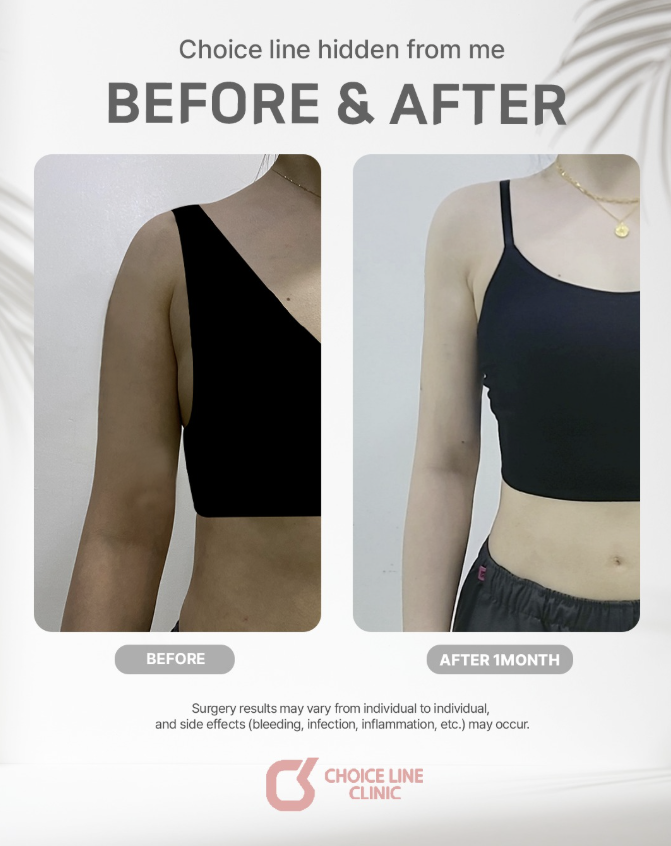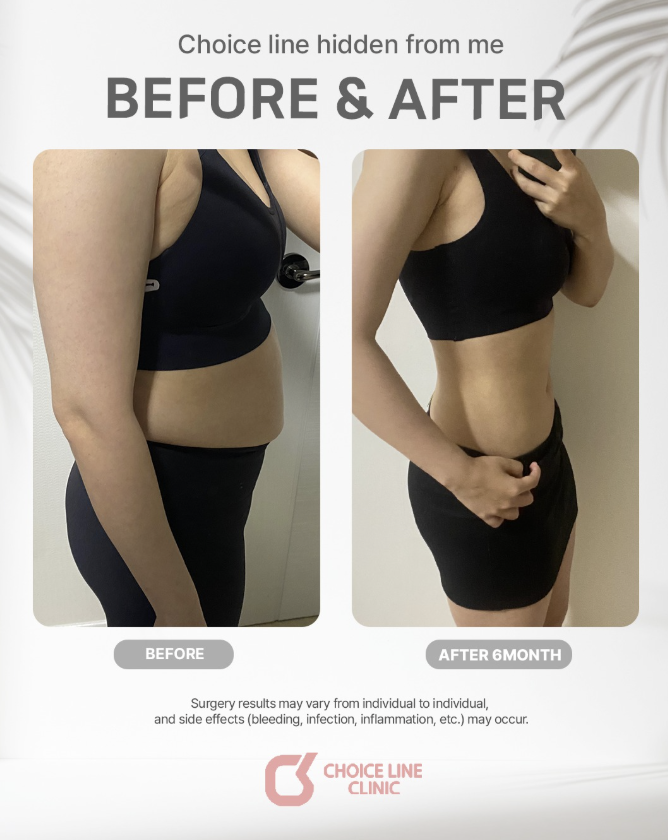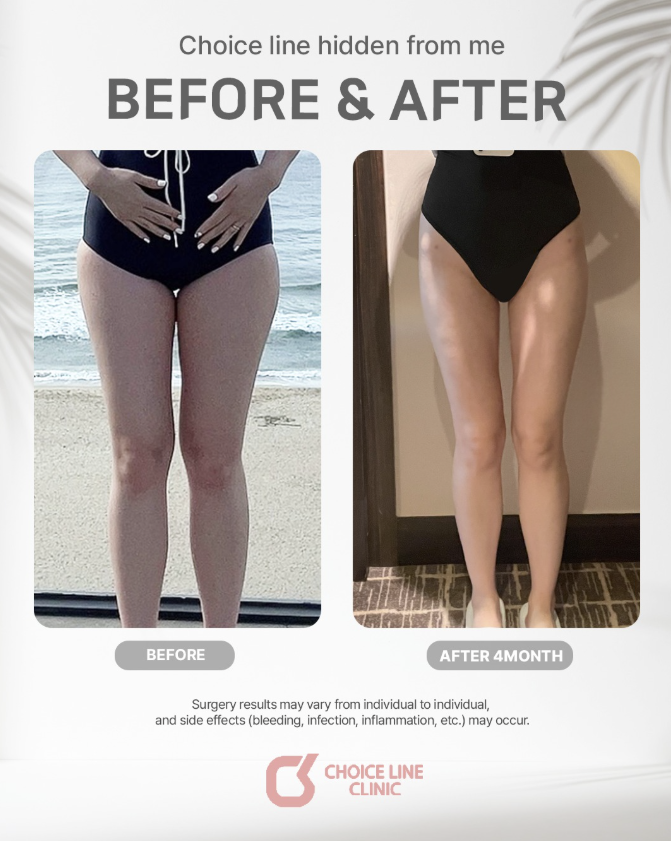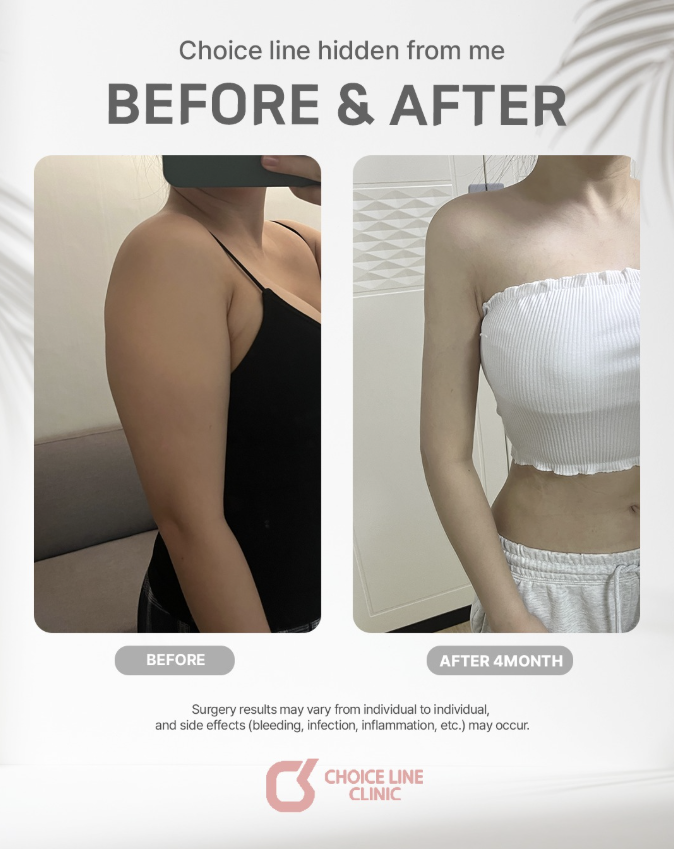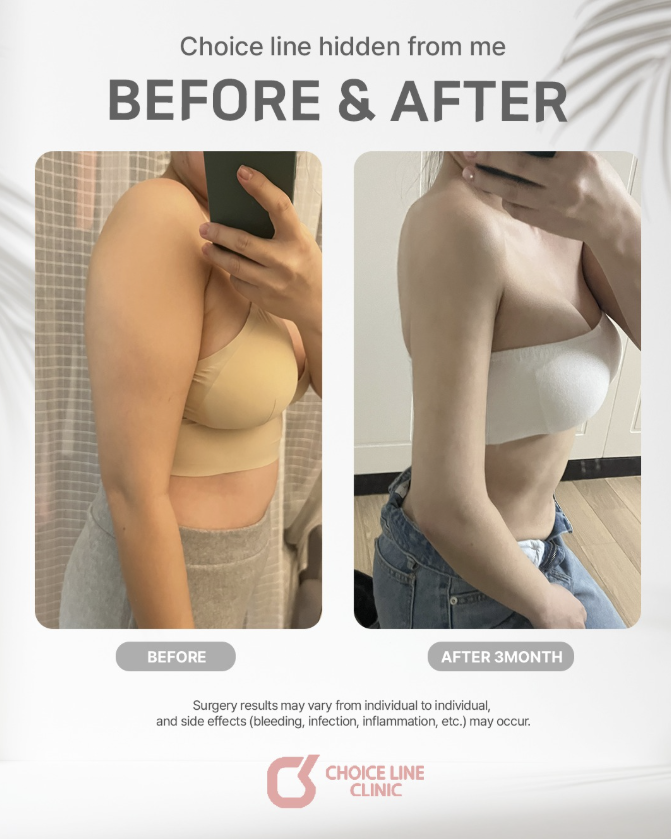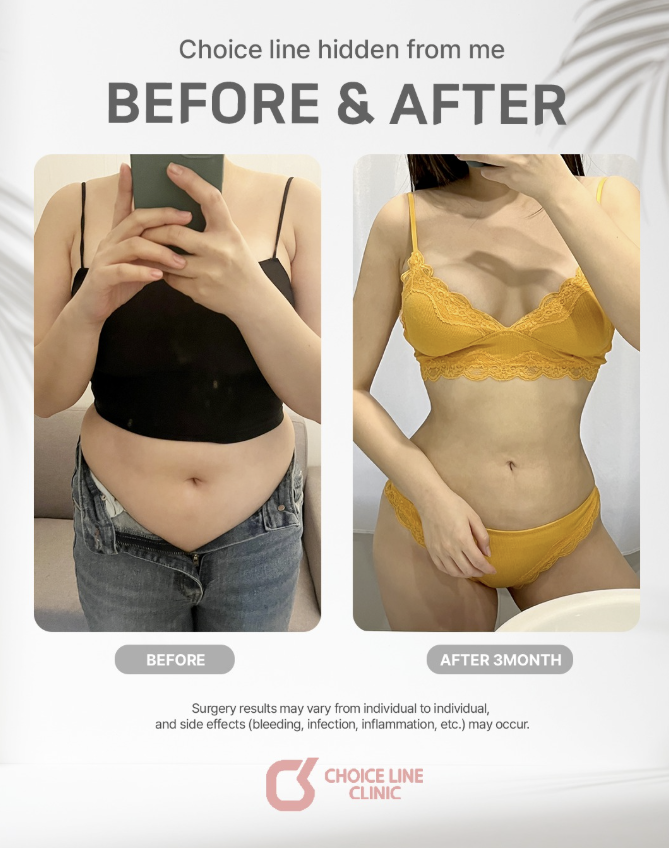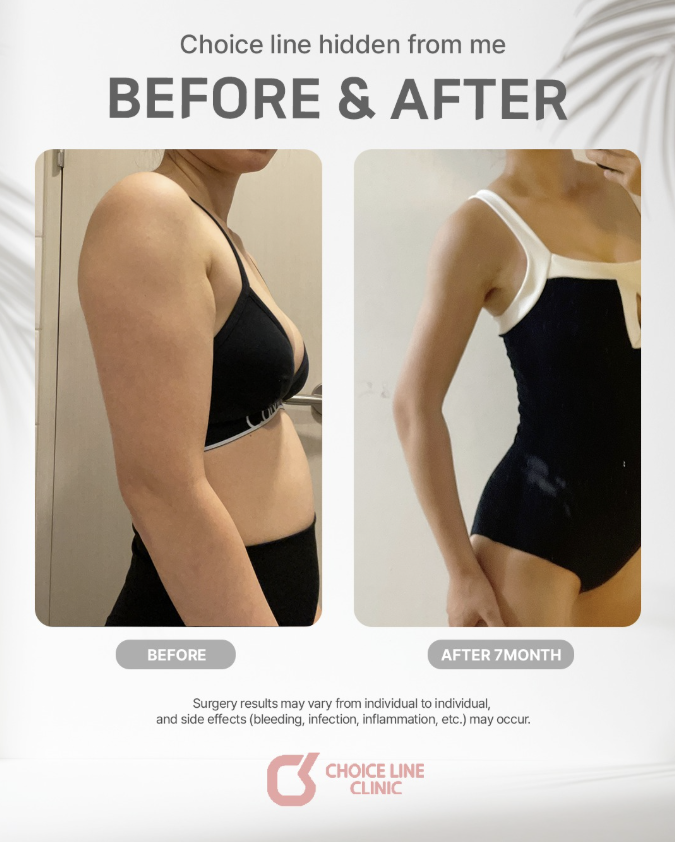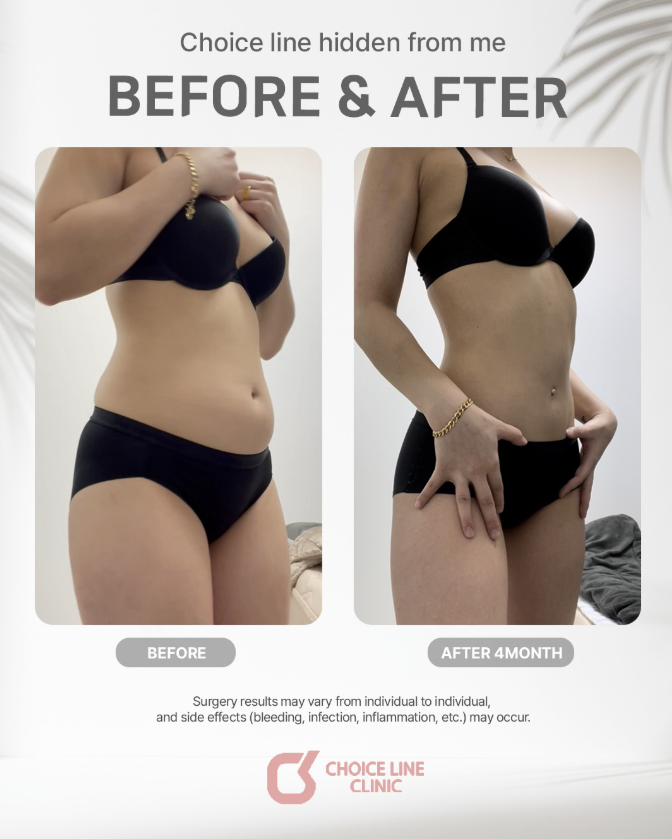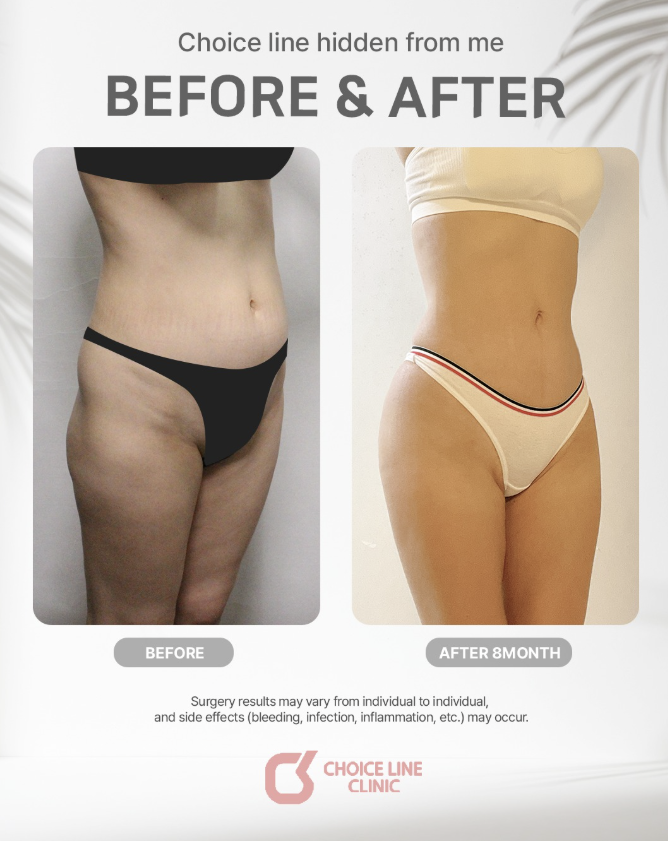
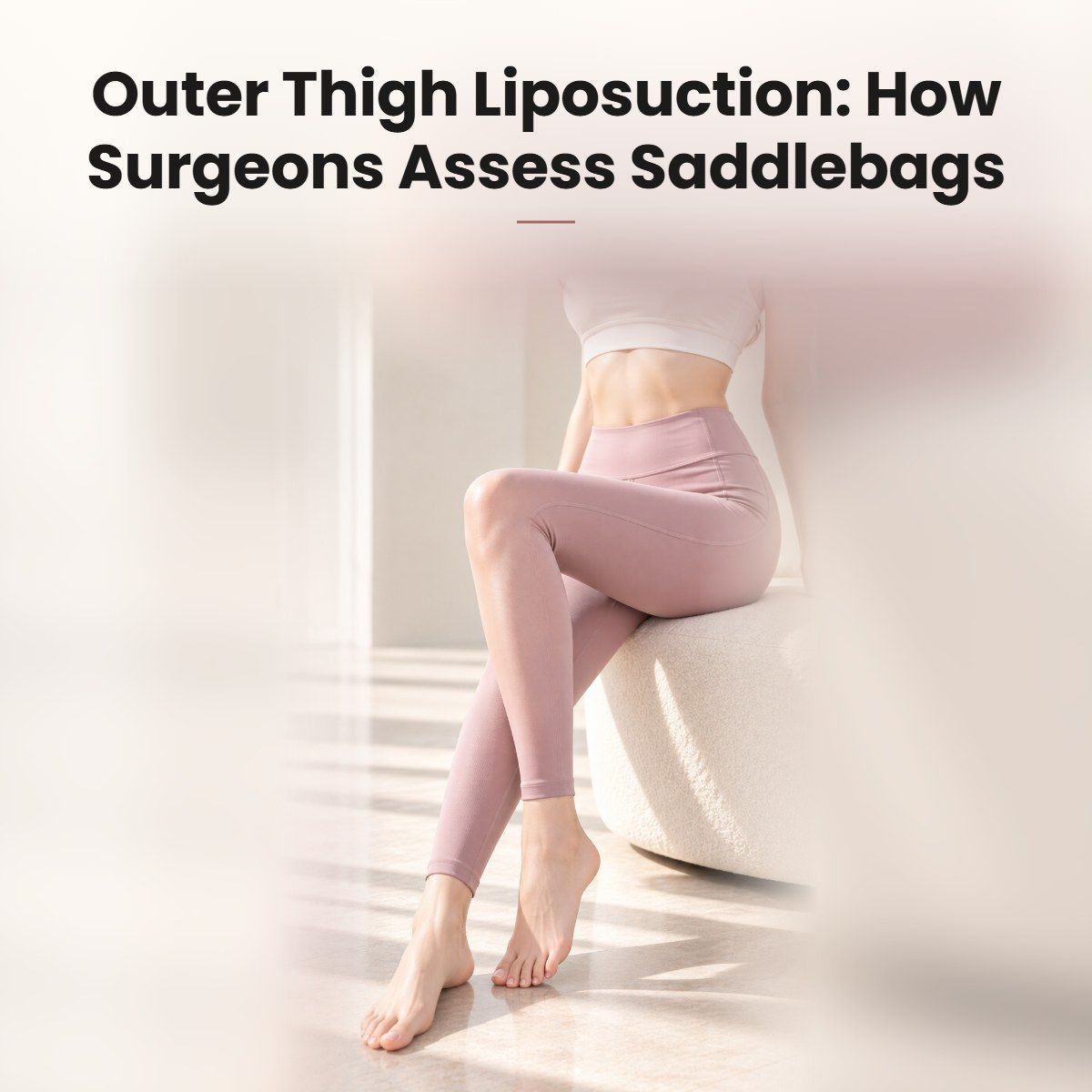
Saddlebags are the bulges of fat on the outer thighs just below the hips. They are a common concern because they can persist even with a healthy diet and regular exercise. Outer thigh liposuction is often effective for this area, but surgeons look carefully at the shape of the hips and thighs before planning treatment.
01 What Are Saddlebags?
Saddlebags usually have these features:
- Fat located on the outer upper thigh below the hip bone
- A bulge that is most visible from the front and back
- A tendency to be influenced by genetics and hormones
- Resistance to diet and exercise
This fat pattern is especially common in women and often appears in early adulthood. Many people with otherwise slim legs still notice it.
Saddlebags are often described as a classic “pear-shaped” fat pattern, and they can be surprisingly symmetrical, which makes them easier to plan for.
02 Fat vs. Hip Shape
- Fat: soft, pinchable tissue that responds well to liposuction
- Hip bone width: the pelvis sets the overall width of the hips
- Hip dips: indentations above the saddlebag area
- Muscle: the outer thigh muscles add some contour
If the outer thigh bulge is mainly fat, liposuction can make a noticeable difference. If it is mostly bone structure, the change will be more limited.
A simple way to see the difference is to pinch the bulge: if a thick fold of soft tissue lifts away, fat is likely the main contributor.
03 How Surgeons Assess the Outer Thigh
- Standing views from the front, back and side
- Pinch test to measure fat thickness
- Checking for hip dips above the bulge
- Assessing skin quality and cellulite
- Comparing both sides for symmetry
This helps the surgeon decide how much fat to remove and whether nearby areas, such as the hips or buttocks, should be included.
04 What Outer Thigh Liposuction Can Change
- Reduce the outward bulge below the hips
- Create a smoother line from waist to knee
- Improve how trousers and skirts fit
- Make the hips look more proportional from the front
The outer thigh tends to respond well because the skin is relatively thick and the fat is well defined. Results can be very satisfying when expectations are realistic.
05 Balancing the Hip and Thigh Line
- Removing saddlebag fat can make hip dips look deeper
- Fat grafting into the hip dips may smooth the contour
- Treating the buttock banana roll may improve balance
- The inner thighs are sometimes included for symmetry
A balanced plan considers the whole lower body rather than just the bulge. Your surgeon will explain whether combined treatment is worthwhile.
06 Who May Be a Good Candidate?
- Distinct, pinchable fat on the outer thighs
- Stable weight close to your goal
- Good skin elasticity
- Good general health and no active smoking
- Realistic expectations about hip width
An in-person examination confirms whether the bulge is fat and how much change is realistic for your body shape.
People who are still losing weight are usually advised to wait, because this area can change as weight shifts.
07 Recovery After Outer Thigh Liposuction
- First days: swelling and bruising along the outer thighs
- Weeks 1–4: compression garment covering hips and thighs
- Months 1–3: the contour becomes clearer as swelling settles
- Months 3–6: results are usually close to final
Lying on your side may be uncomfortable for the first week or two. Gentle walking helps circulation and recovery.
Most people return to desk work within about a week, while more active jobs or sports may require two to four weeks before a full return.
08 Questions to Ask Your Surgeon
- Is my outer thigh bulge mainly fat or bone structure?
- Will removing saddlebags make my hip dips look deeper?
- Would fat grafting improve my hip line?
- Should the inner thighs or buttocks be treated too?
- How long will I need to wear compression?
These questions help you understand how outer thigh liposuction fits into your overall lower body goals.
Saddlebags are outer thigh fat pockets that often respond well to liposuction. Assessing hip shape and hip dips helps surgeons plan a balanced result rather than simply removing the bulge.
This article is for general information only and is not medical advice. Suitability, technique and recovery differ for every person, so please discuss your situation with a qualified surgeon.