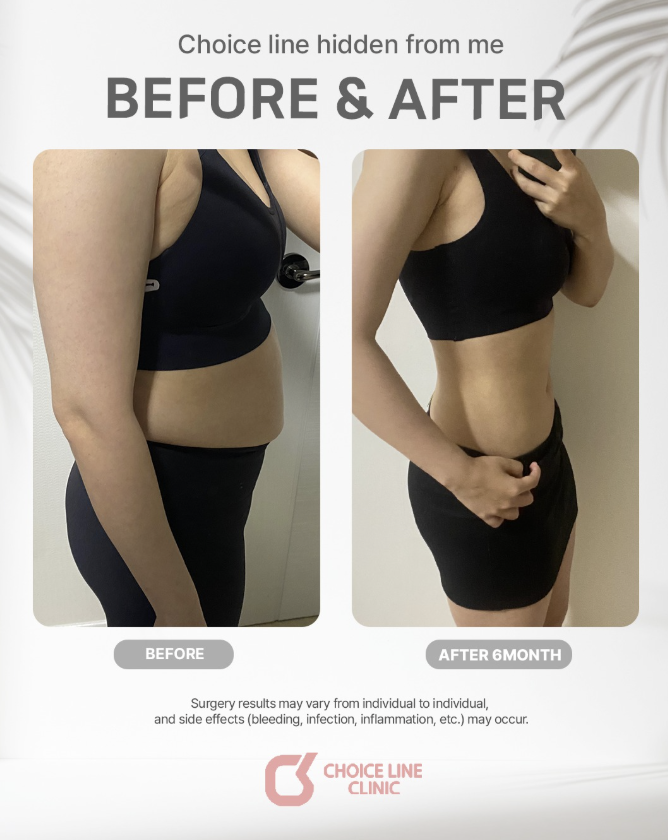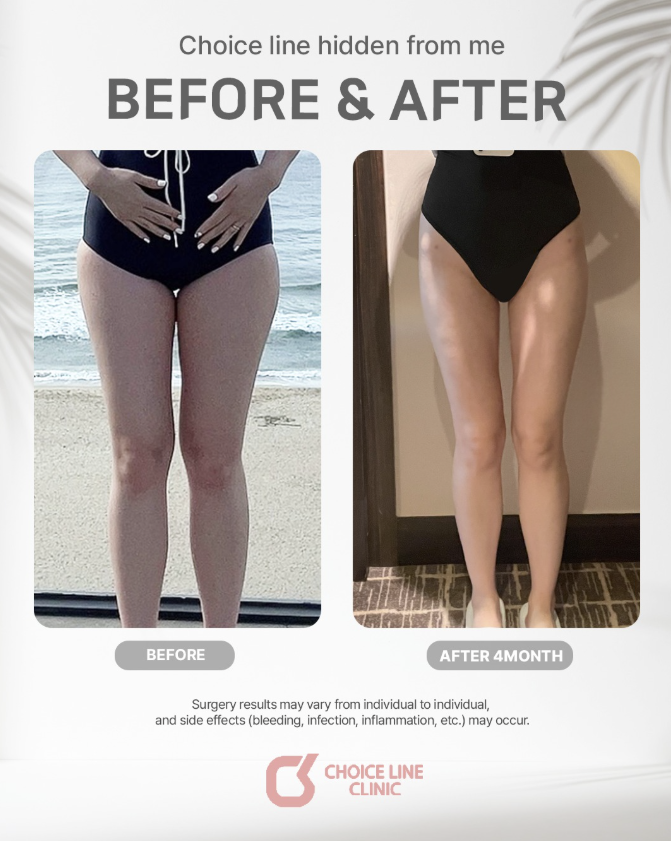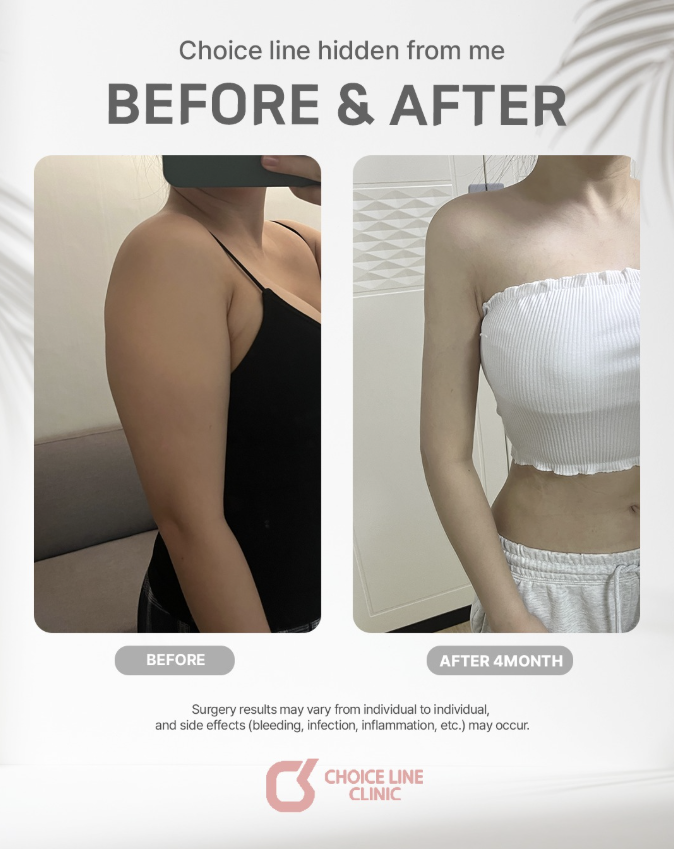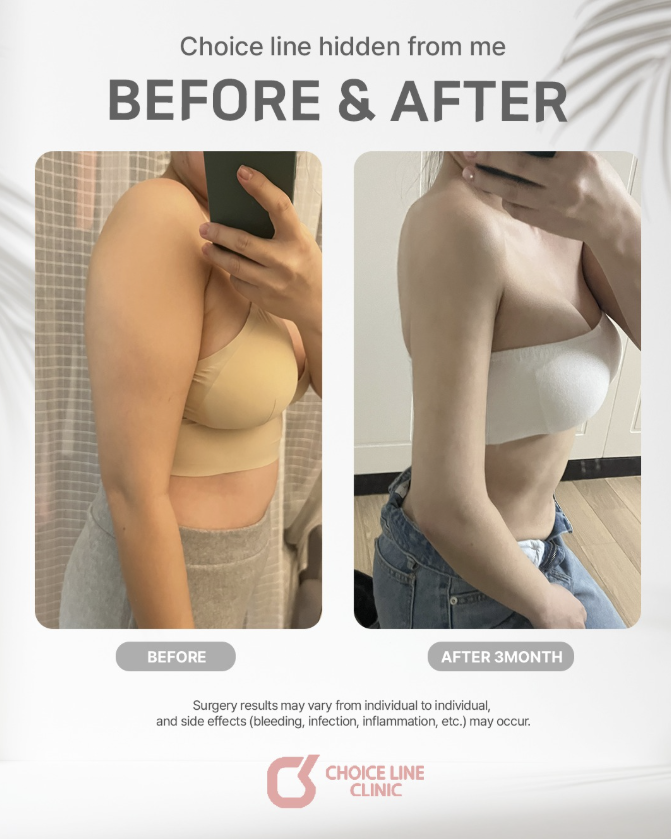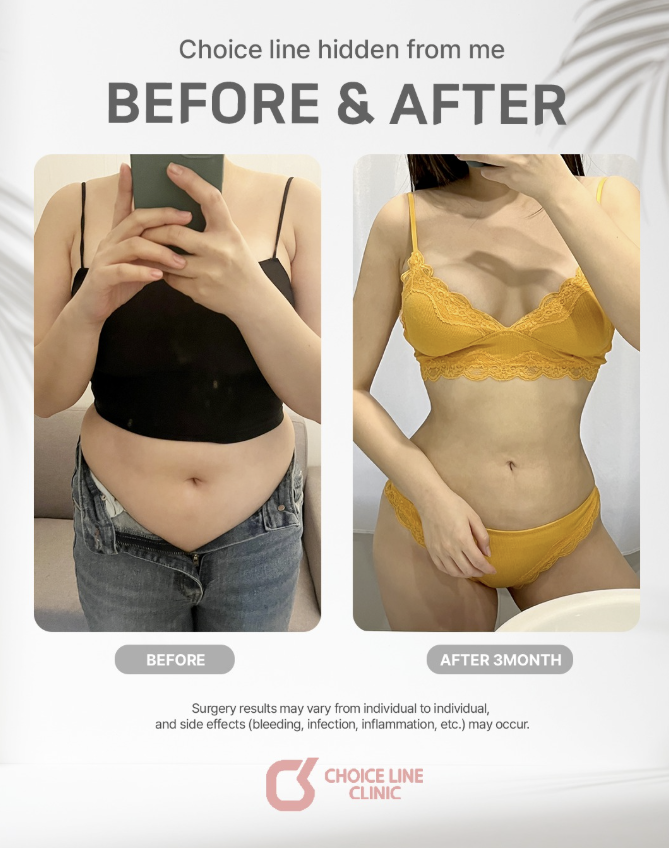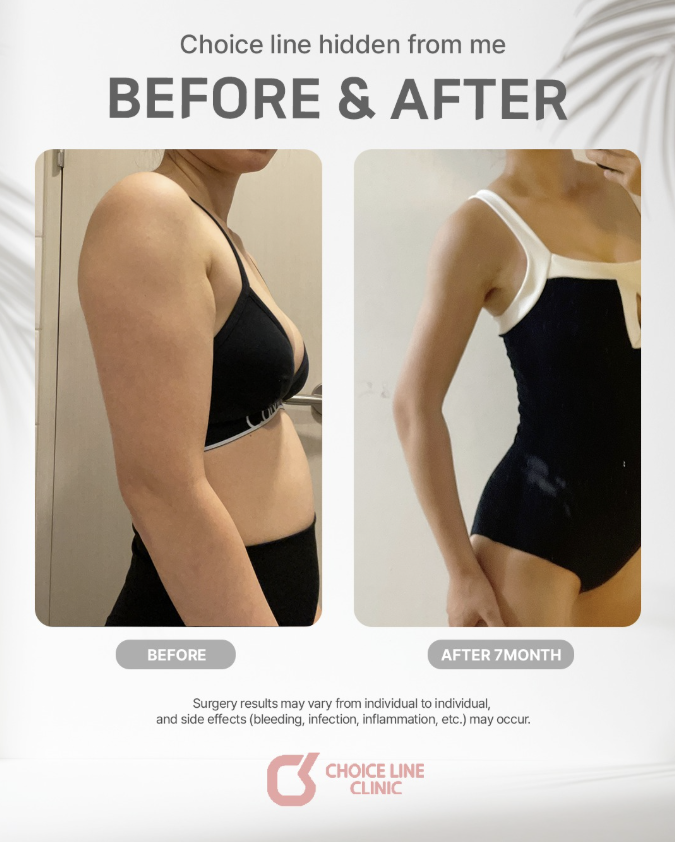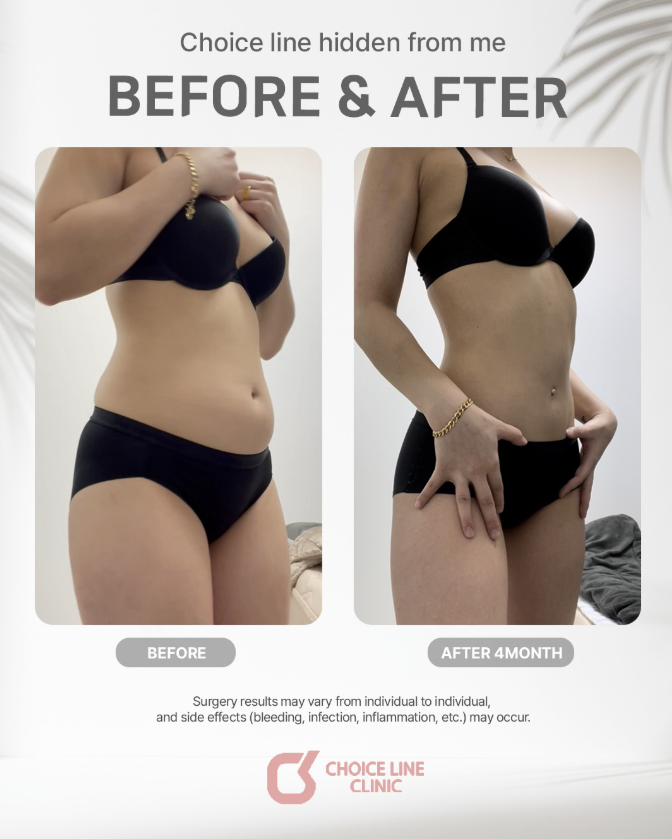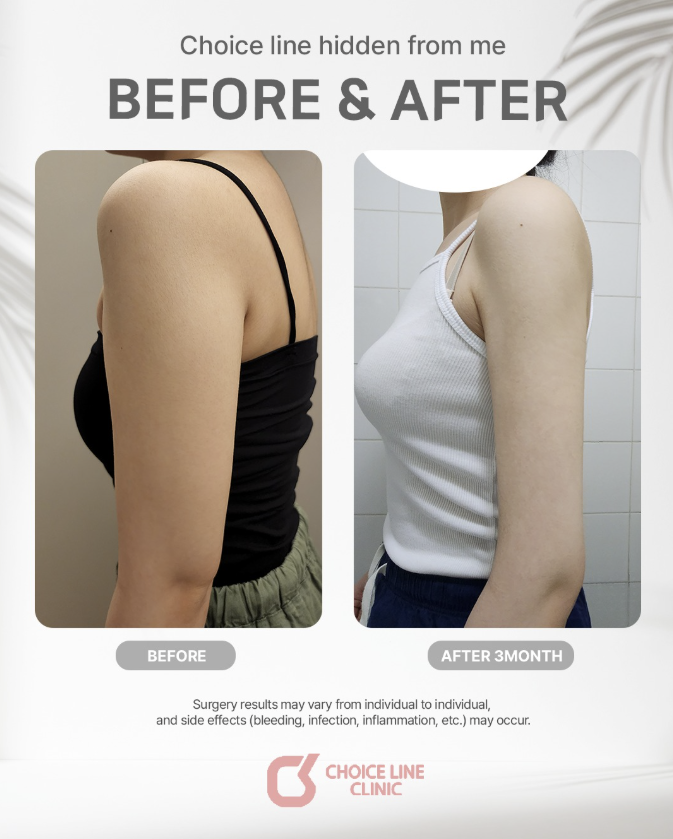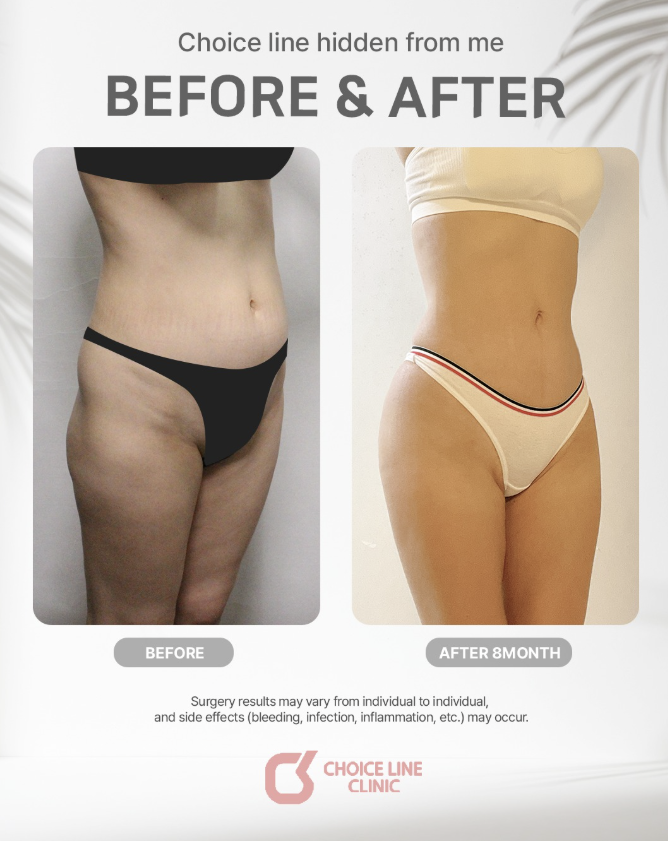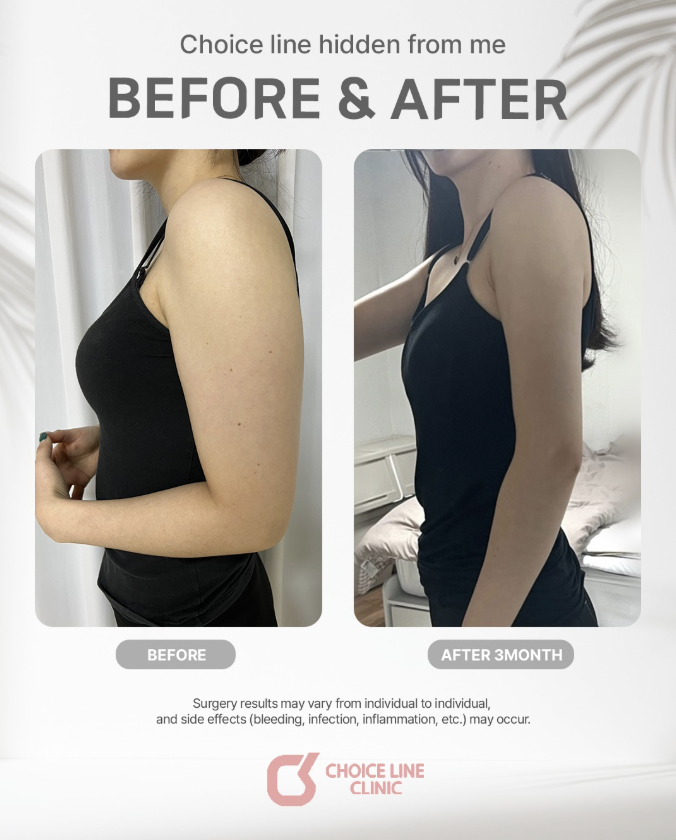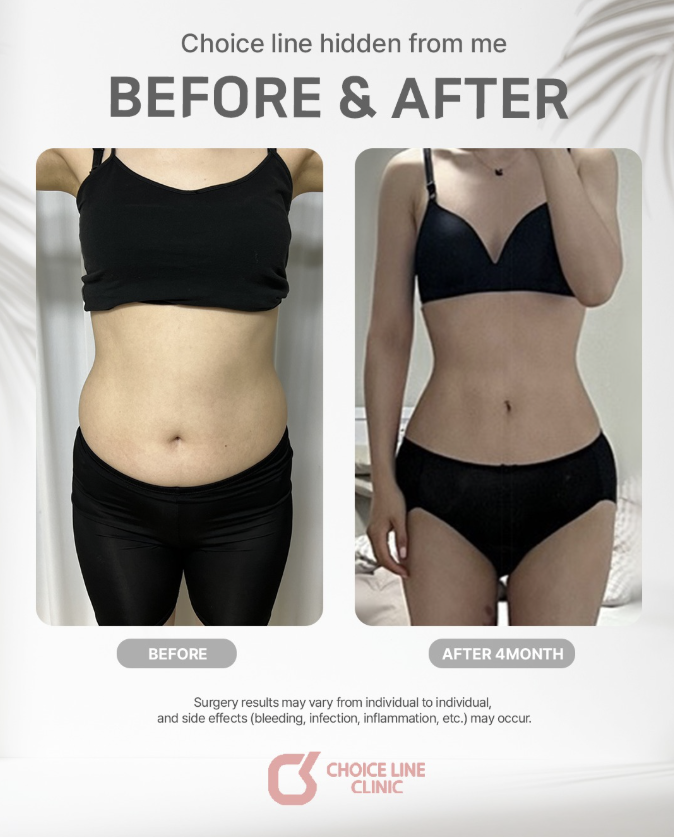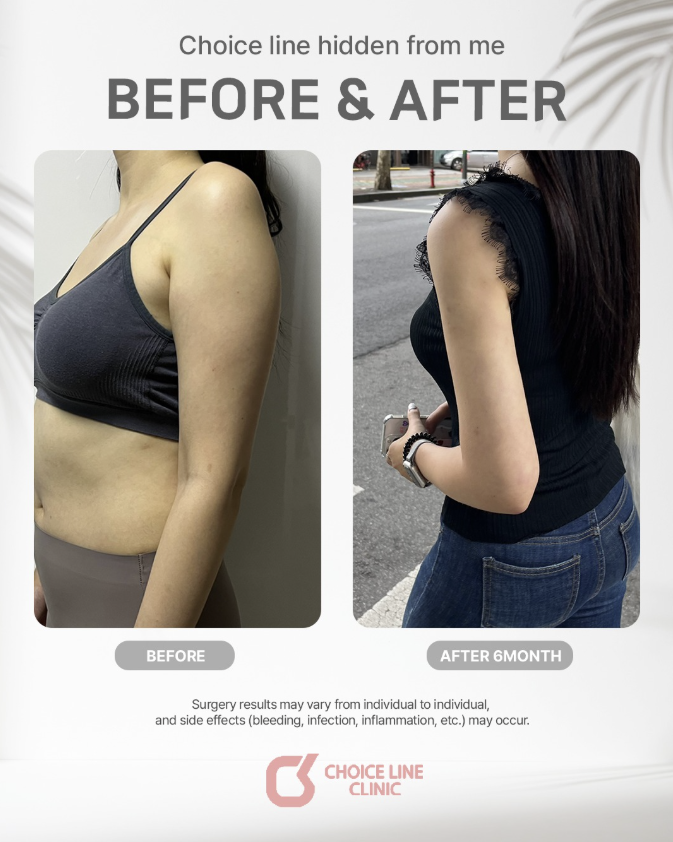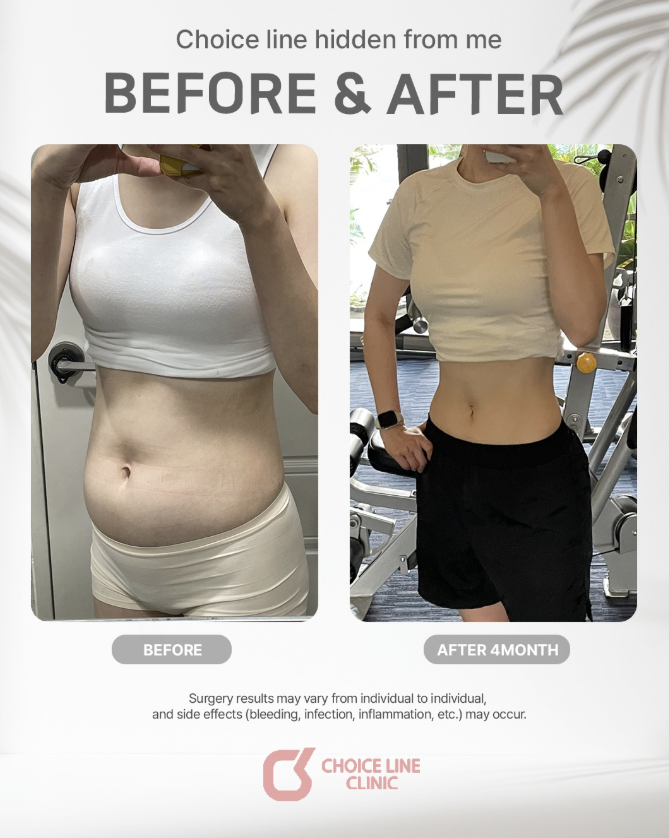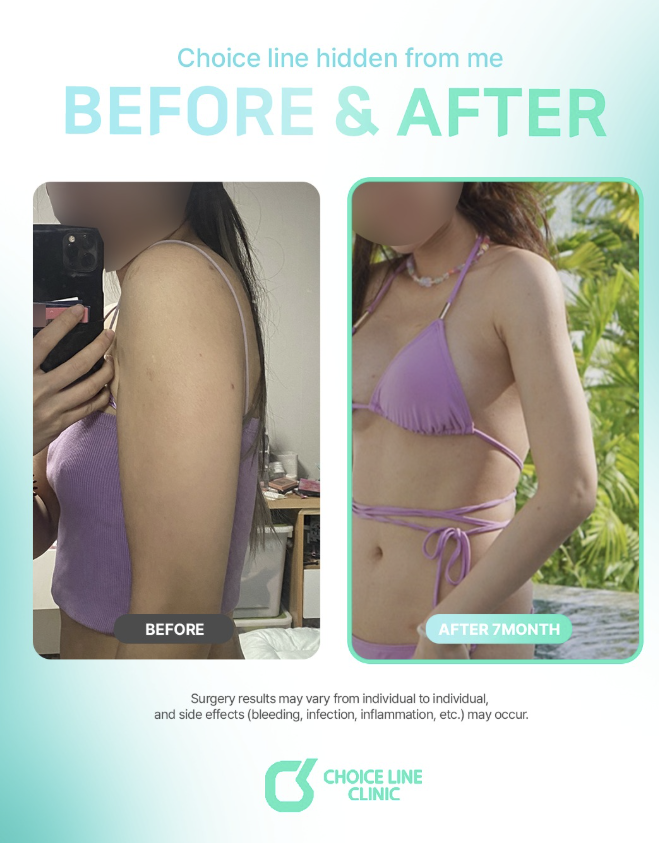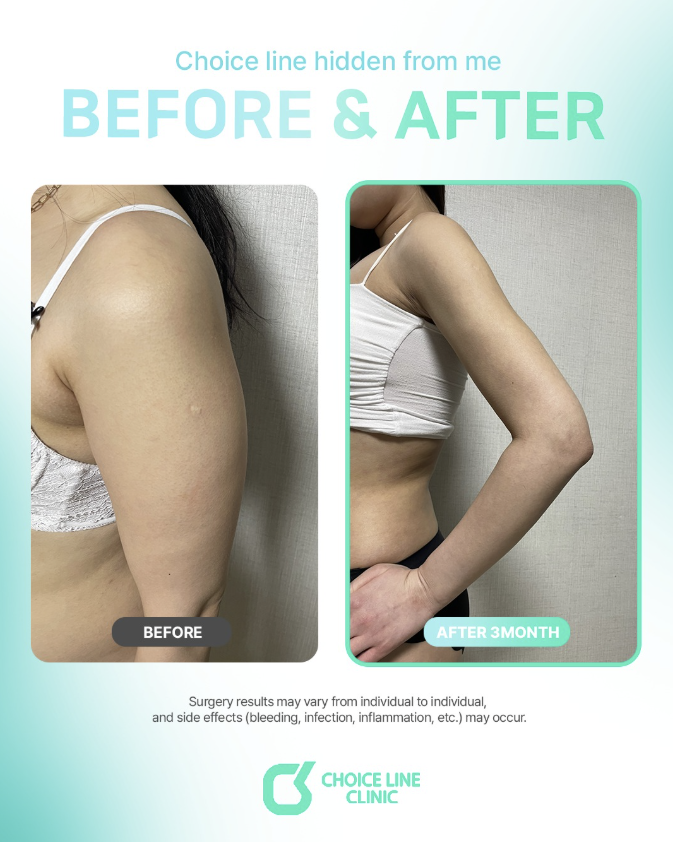

“Love handles” is an everyday phrase, but surgeons describe the same area as the flanks. Knowing exactly where the flanks begin and end helps you understand what a love handle liposuction plan covers, why it is often combined with neighbouring areas, and what kind of change is realistic for your body shape. This guide walks through the anatomy, the planning choices and the questions worth asking.
01 Defining the Flanks
The flanks are the soft areas on each side of the torso. In most surgical plans they are bordered by:
- Top: roughly the lower ribs on the side of the body
- Bottom: the top of the hip bone (iliac crest)
- Front: where the side of the abdomen begins
- Back: where the lower back starts, near the spine muscles
Because these borders blend into other zones, the exact outline is marked individually while you stand. This marking step is one of the most important parts of planning.
02 Flanks vs. Waist vs. Lower Back
People often use these terms interchangeably, but surgeons separate them:
- Waist: the narrowest part of the torso, shaped by the flanks and abdomen together
- Flanks: the side fat rolls just above the hips
- Lower back: the fat above the buttocks and along the spine
Treating only one of these can leave a step-off where it meets the next, which is why plans frequently include two or more zones. A surgeon will look at you from the side and back as well as the front.
Photographs taken from the front, side and back at the consultation make these relationships easier to see, and they become a useful reference when you compare results later.
03 What Love Handle Liposuction Can Change
- Reduce the side bulge that rolls over a waistband
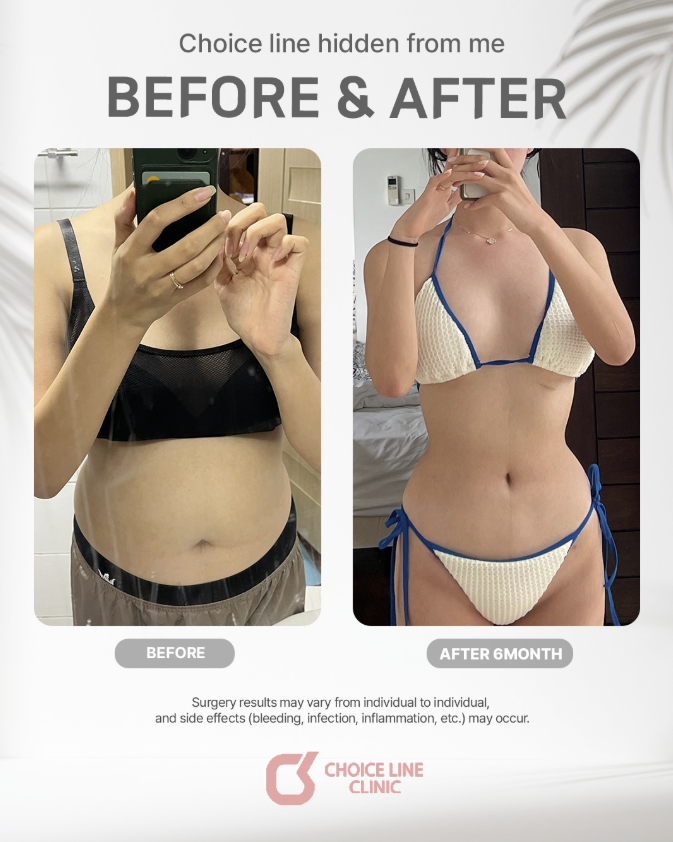
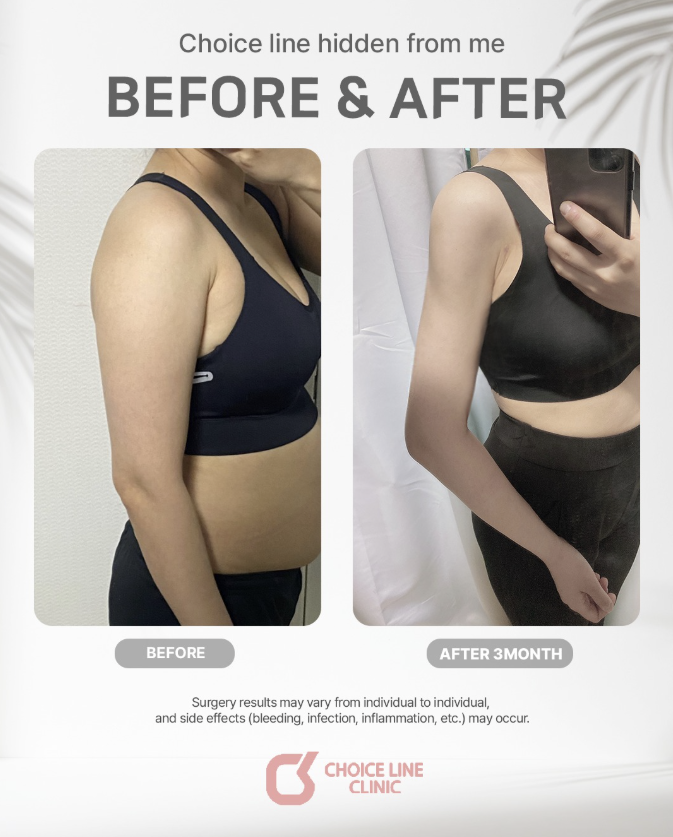
- Create a smoother curve from the ribs to the hips
- Improve the outline of the waist when seen from the back
- Make fitted clothing sit more evenly
The result is a refined contour. The width of your hips and rib cage still sets the basic shape of your waist, so expectations should take your frame into account.
04 What It Does Not Change
- Bone structure: hip and rib width stay the same
- Visceral fat: fat inside the abdomen cannot be removed
- Loose skin: significant laxity may need a different approach
- Muscle tone: liposuction does not build muscle definition
Understanding these limits helps avoid disappointment and lets you focus on what the procedure can genuinely improve.
05 Why Flanks Are Often Combined With Other Areas
Many people treat the flanks along with neighbouring zones because:
- The abdomen and flanks form one continuous contour
- The lower back can make the waist look straighter from behind
- Combined plans help avoid ridges between treated and untreated areas
- A single recovery period covers several areas
Your surgeon will balance these benefits against longer surgery and a bigger recovery. For some people, flanks alone are enough when other areas are already lean.
06 Who May Be a Good Candidate?
- Pinchable fat on the sides that persists despite exercise
- A stable weight close to your goal
- Reasonable skin elasticity
- Good general health and no active smoking
- Realistic expectations about waist shape
An in-person examination is the only way to confirm suitability, especially when other areas are also being considered.
If you are still losing weight, it is usually better to wait until your weight has been stable for several months, because further loss can change how the flanks look after surgery.
07 Recovery After Flank Liposuction
- First days: soreness when twisting or bending, plus swelling
- Weeks 1–4: a compression garment that covers the flanks is usually worn
- Months 1–3: swelling settles and the waist line becomes clearer
- Months 3–6: the contour is usually close to final
Sleeping on your back can feel more comfortable at first. Short walks are encouraged, while heavy lifting and twisting exercises are reintroduced gradually.
Most people return to desk-based work within about a week, depending on how many areas were treated, while full results take several months to appear.
08 Questions to Ask Your Surgeon
- Where exactly will you mark the borders of my flanks?
- Should my lower back or abdomen be included for a balanced result?
- How will my hip and rib width affect the waist shape?
- Where will the small incisions be placed?
- When can I return to work, exercise and travel?
Writing these questions down before your consultation makes it easier to compare plans and understand exactly what is included.
The flanks sit between the lower ribs and the hip bone on each side of the torso. Love handle liposuction can smooth this area, but the best results usually come from planning it together with the waist, abdomen and lower back.
This article is for general information only and is not medical advice. Suitability, technique and recovery differ for every person, so please discuss your situation with a qualified surgeon.