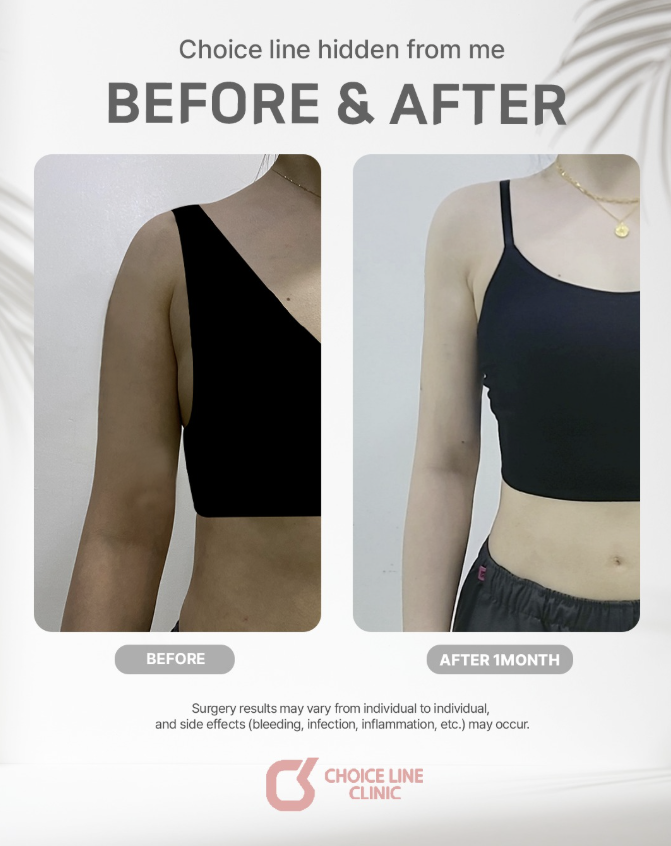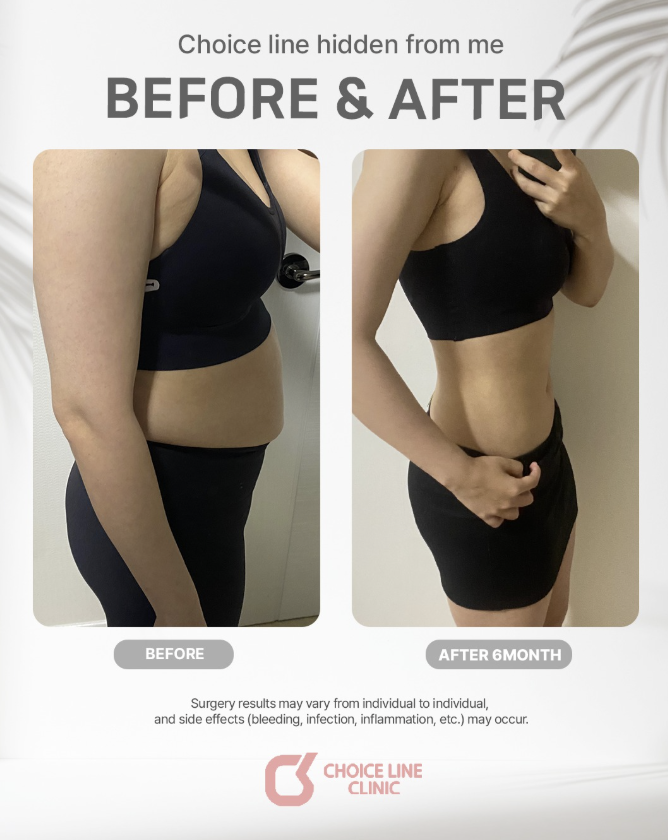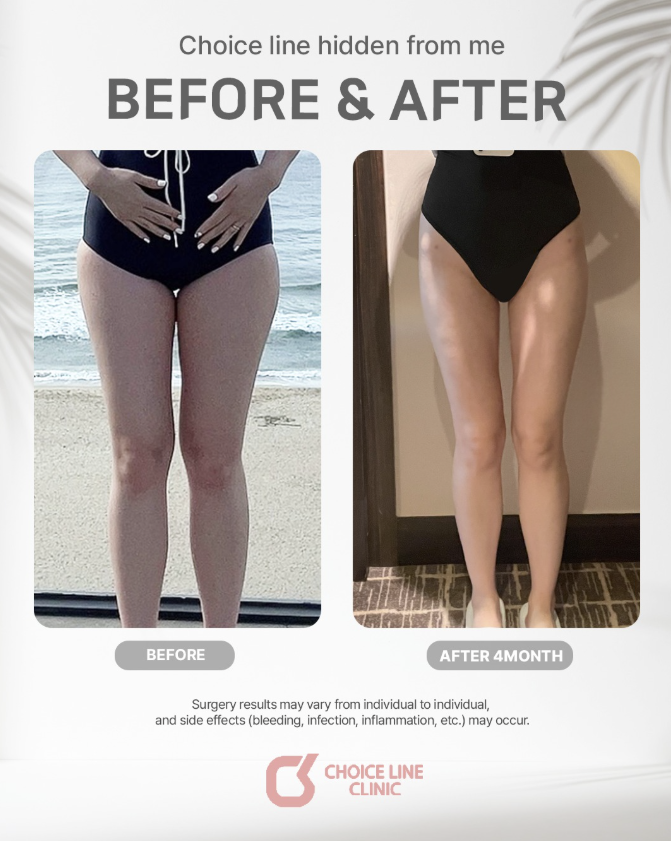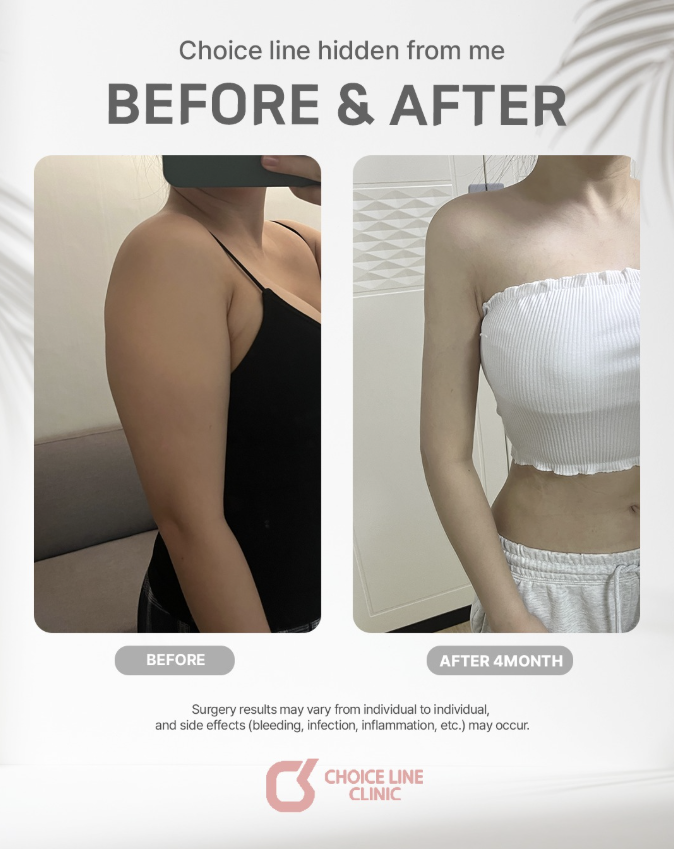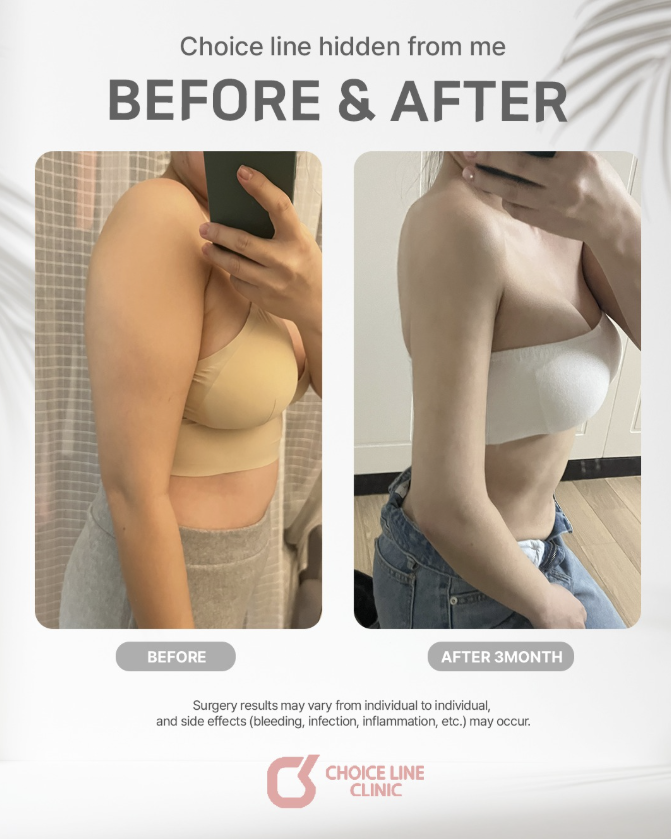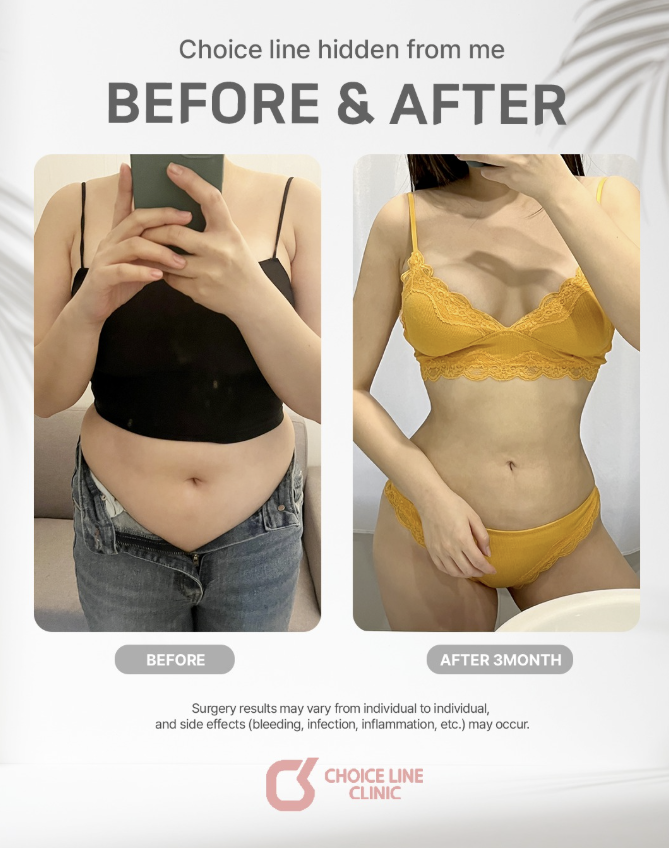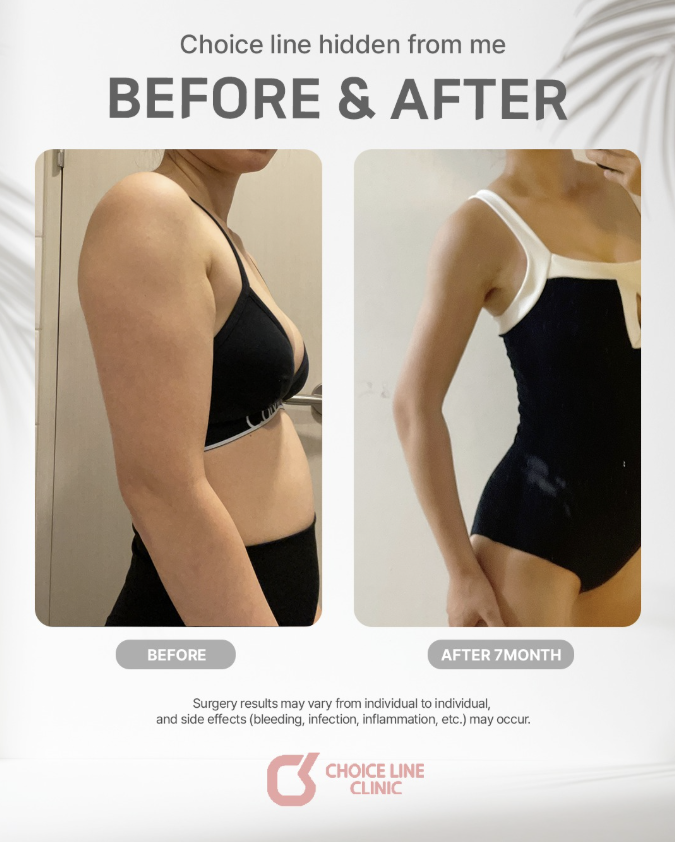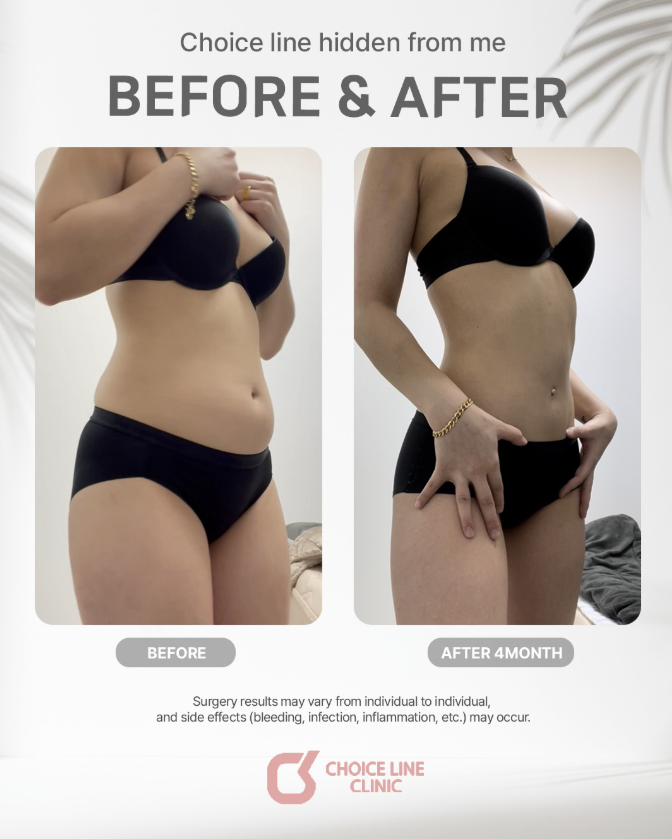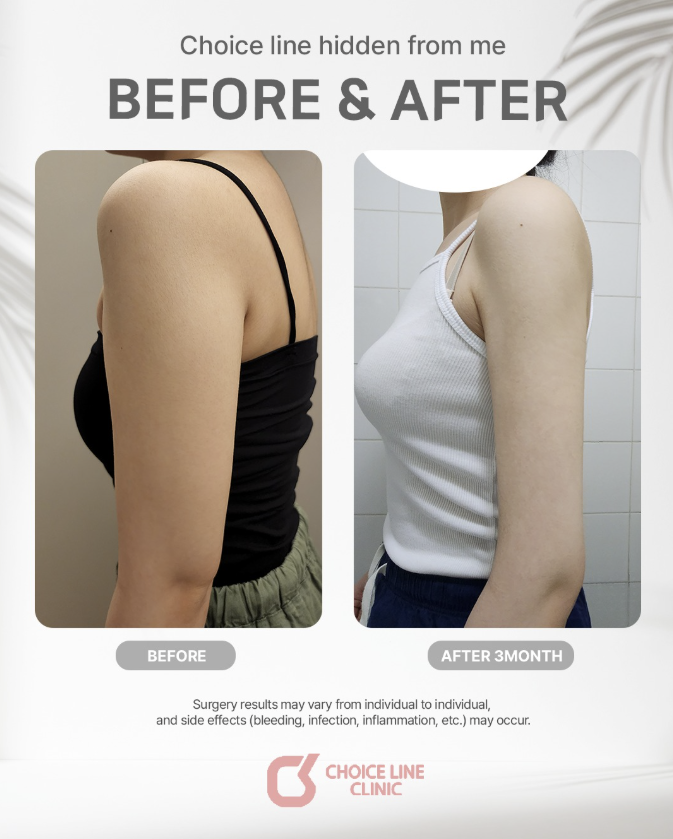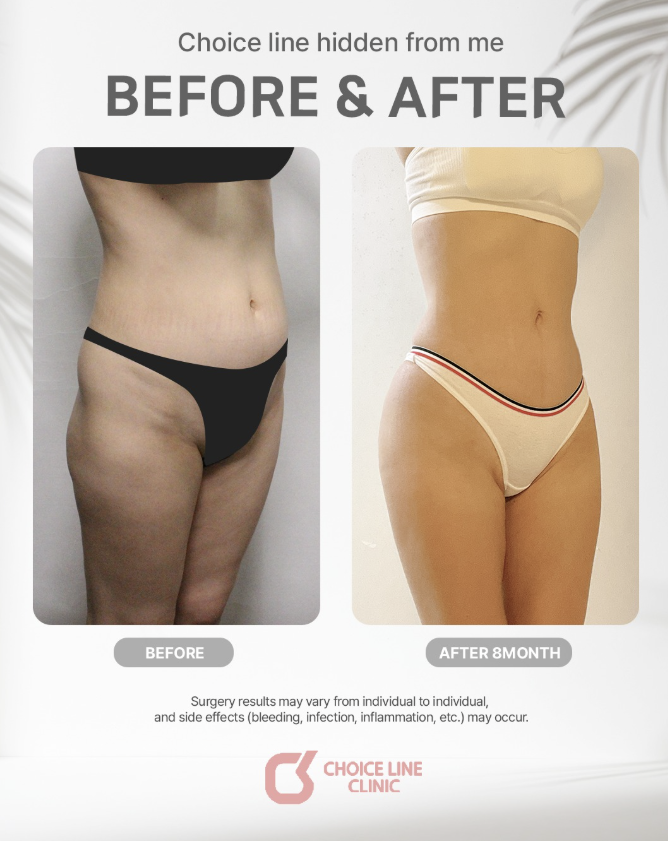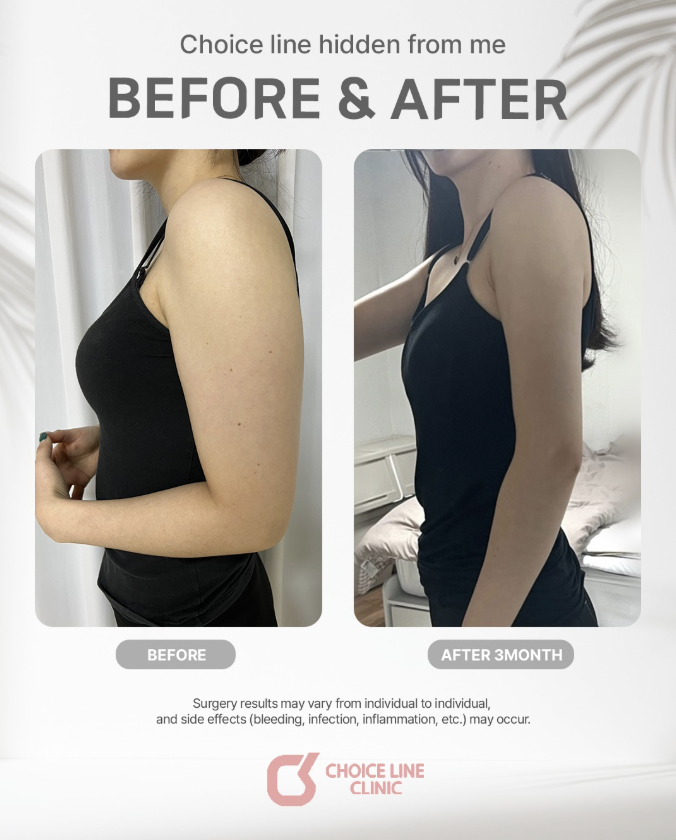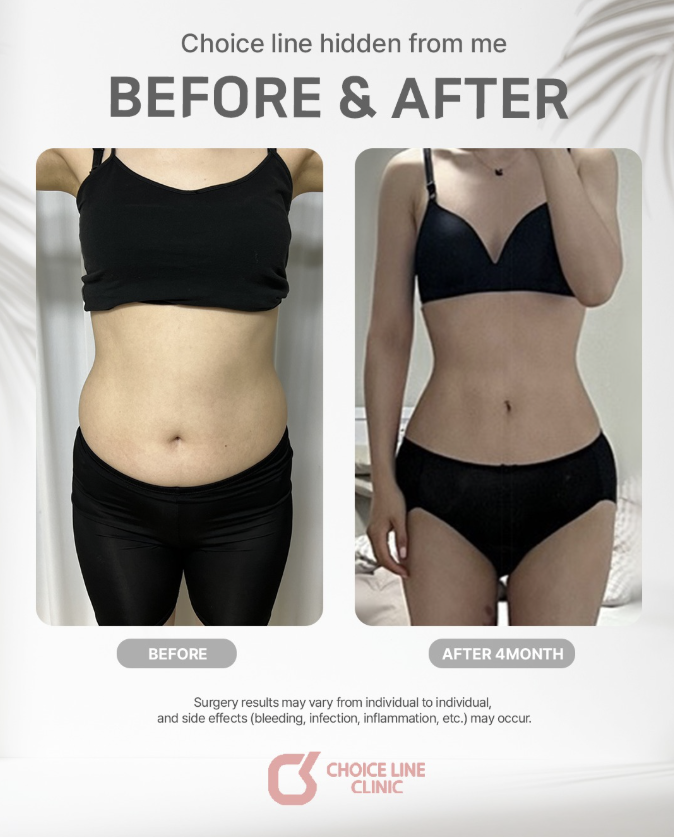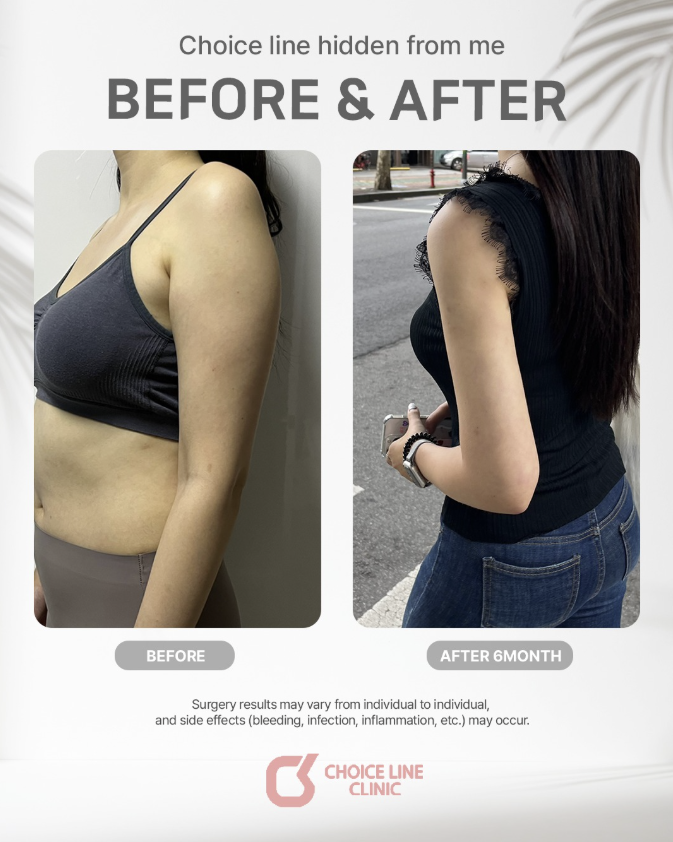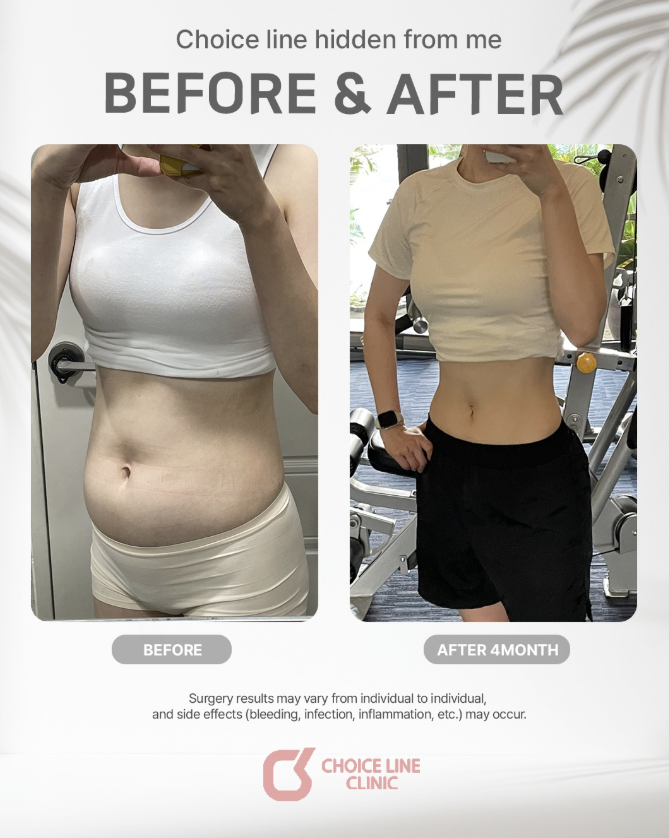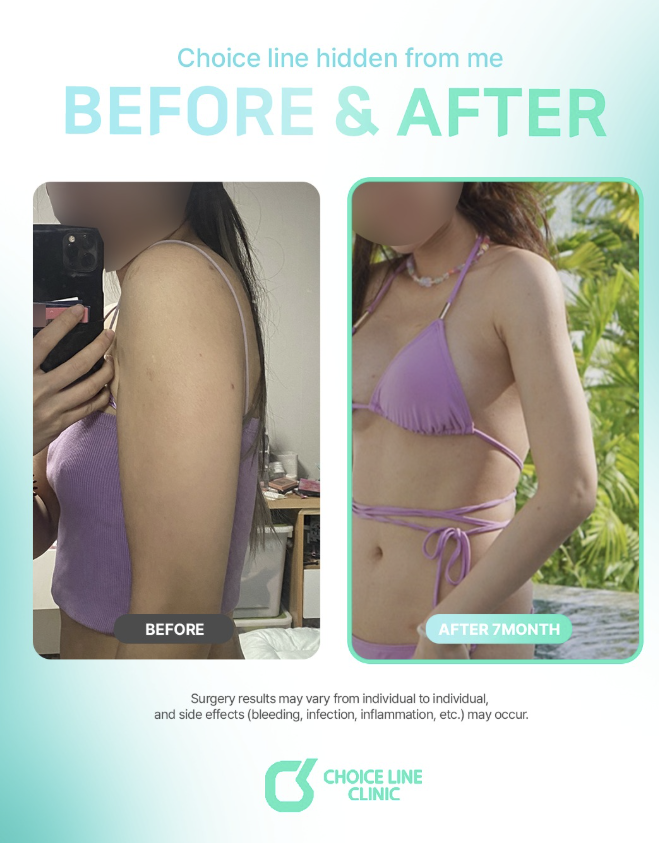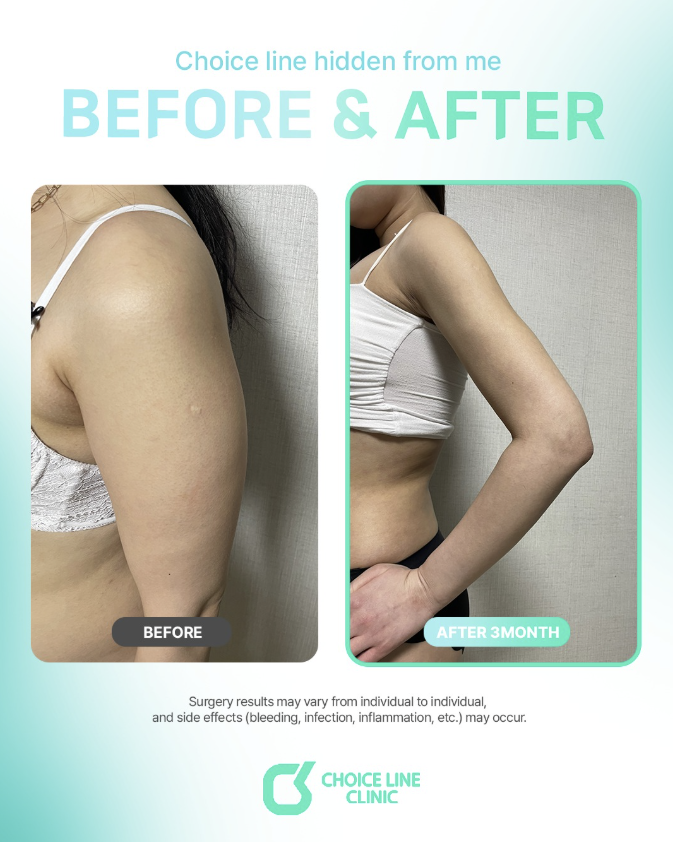
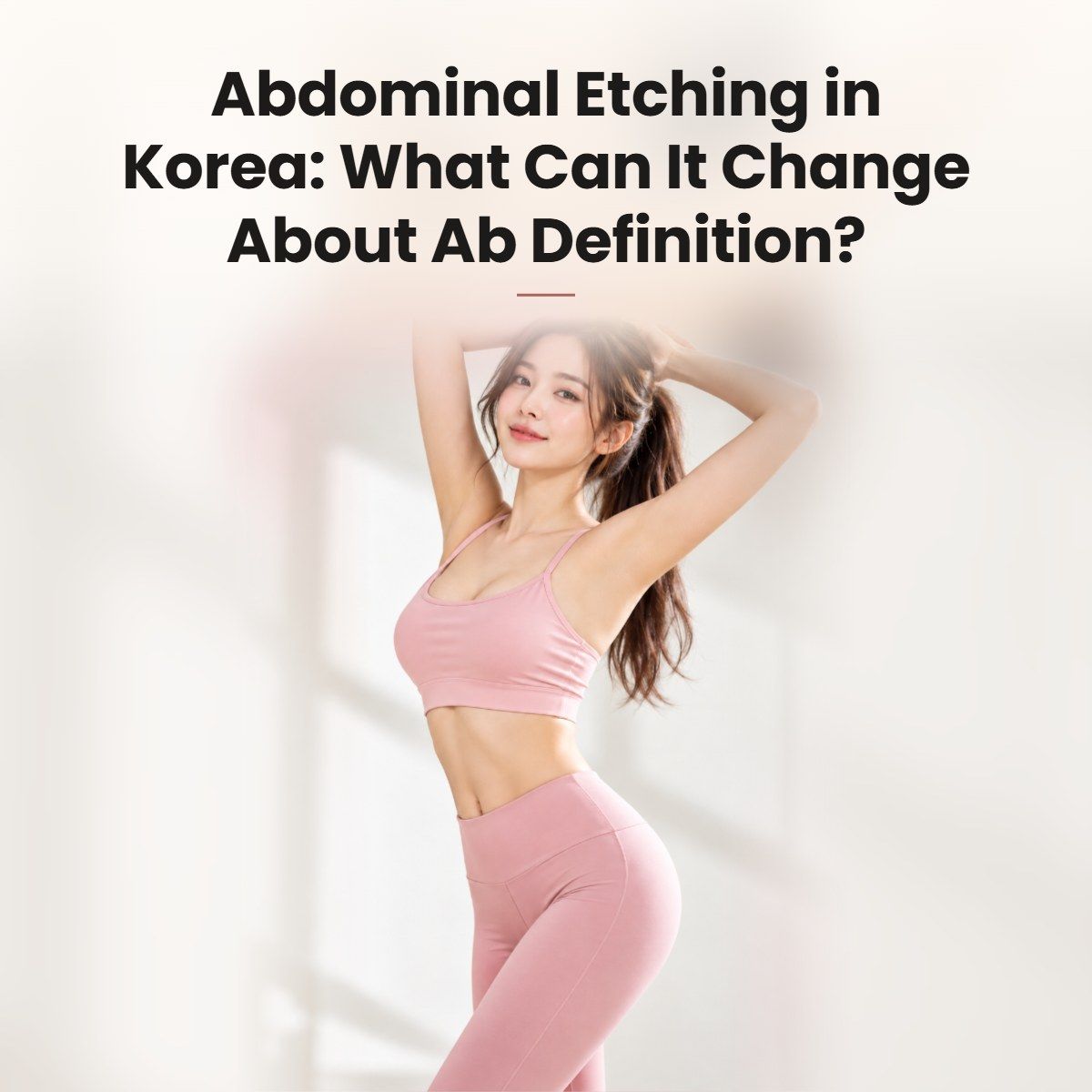
Abdominal etching is a refined form of abdominal liposuction that aims to highlight the natural lines of the abdominal muscles. Rather than simply reducing fat, it shapes the transitions over the muscle borders so that definition is more visible. It is a specialised technique, and understanding its limits is just as important as understanding its potential.
01 What Is Abdominal Etching?
Abdominal etching, sometimes called high-definition abdominal liposuction, involves:
- Removing fat evenly across the abdomen
- Selectively removing more fat along natural muscle grooves
- Leaving thin layers of fat over the muscle bellies for a natural look
- Shaping the side borders of the abdomen for definition
The goal is to enhance the anatomy you already have, not to create muscles that are not there.
The technique is sometimes adapted for men and women differently, because the natural pattern of abdominal definition and the preferred level of visibility tend to differ.
02 How It Differs From Standard Abdominal Liposuction
- Standard liposuction: aims for a smooth, flatter contour
- Etching: adds intentional light and shadow along muscle borders
- Precision: etching requires detailed marking of the muscle outline
- Candidate profile: etching suits people who are already relatively lean
Because the technique creates visible lines, the margin for error is smaller, and surgeon experience matters a great deal.
03 Who May Be a Suitable Candidate?
- Low overall body fat with a thin abdominal fat layer
- Good underlying muscle development from regular training
- Good skin elasticity to settle over new contours
- Stable weight and a long-term commitment to fitness
- Realistic expectations about how natural the result should look
People with a thicker fat layer or loose skin are usually better suited to standard liposuction first.
Many surgeons recommend reaching a stable training routine and body composition for several months before considering etching, so that the lines are planned around a consistent physique.
04 What Etching Can Change
- More visible separation along the centre line of the abdomen
- Clearer side borders of the abdominal wall
- Improved definition in good lighting and when the core is engaged
- A more athletic outline in fitted clothing or swimwear
Definition still depends partly on your muscles and posture, so results look most natural when you stay active.
Most people find that a subtle, softly shaded result looks better in everyday life than very deep lines, which can appear artificial when the body is relaxed.
05 Risks and Limitations to Discuss
Because the result relies on precise shaping, some concerns are specific to etching:
- Lines that look too sharp or unnatural
- Asymmetry between the left and right sides
- Contour irregularities if fat is removed unevenly
- Lines appearing in the wrong place if weight changes later
Weight gain after etching can soften or distort the lines, while significant weight loss can make them look harsher. A conservative approach is often recommended for a natural look.
06 Recovery After Abdominal Etching
- First week: swelling and tightness across the abdomen
- Weeks 1–4: compression garment and sometimes foam pads to support the contours
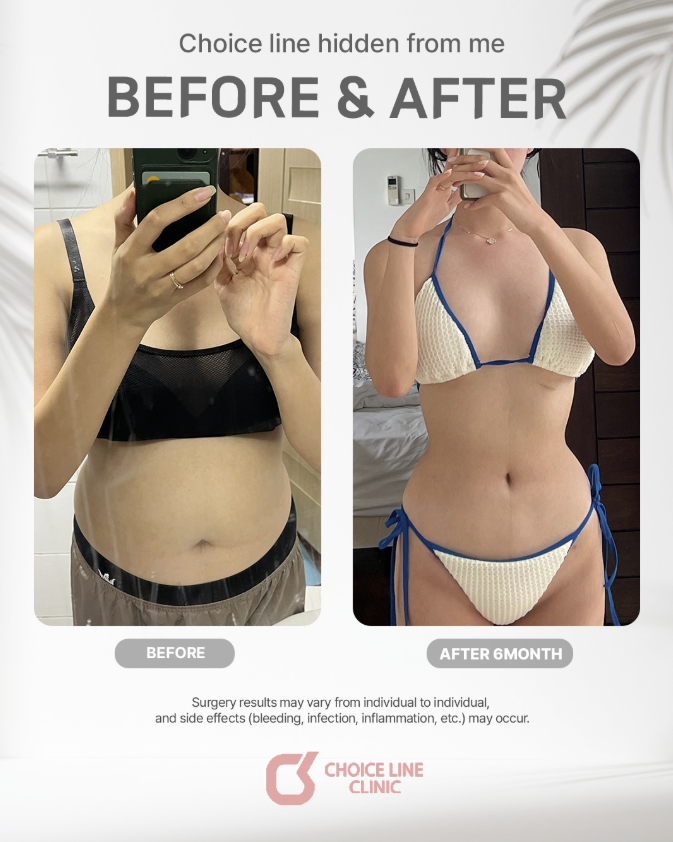
- Months 1–3: definition becomes clearer as swelling settles
- Months 3–6: lines usually look closer to final
Return to core training is usually gradual and guided by your surgeon. Early swelling can hide definition, so the first weeks are not a reliable preview.
07 Maintaining the Result
- Keep a stable weight within a few kilograms
- Continue core and full-body strength training
- Maintain good posture, which affects how definition looks
- Attend follow-up visits so the surgeon can monitor healing
Etching works best as a finishing step for someone who already has a healthy, consistent routine. It does not replace training, but it can make the results of training more visible.
08 Questions to Ask Before Choosing Etching
- Am I lean enough for etching, or should I start with standard liposuction?
- How natural or defined will my result look?
- How many etching cases do you perform, and can I see examples?
- What happens to the lines if my weight changes?
- How will you manage asymmetry or irregularities if they occur?
Clear answers help you decide whether etching is the right level of definition for you.
It is also reasonable to ask how follow-up will be handled if you live abroad, as early check-ups are important for a detailed technique like this.
Abdominal etching refines the abdomen by enhancing the natural lines of the muscles. It suits lean, fit people with good skin quality and works best as a finishing touch — so careful candidate selection and a natural-looking plan are essential.
This article is for general information only and is not medical advice. Suitability, technique and recovery differ for every person, so please discuss your situation with a qualified surgeon.