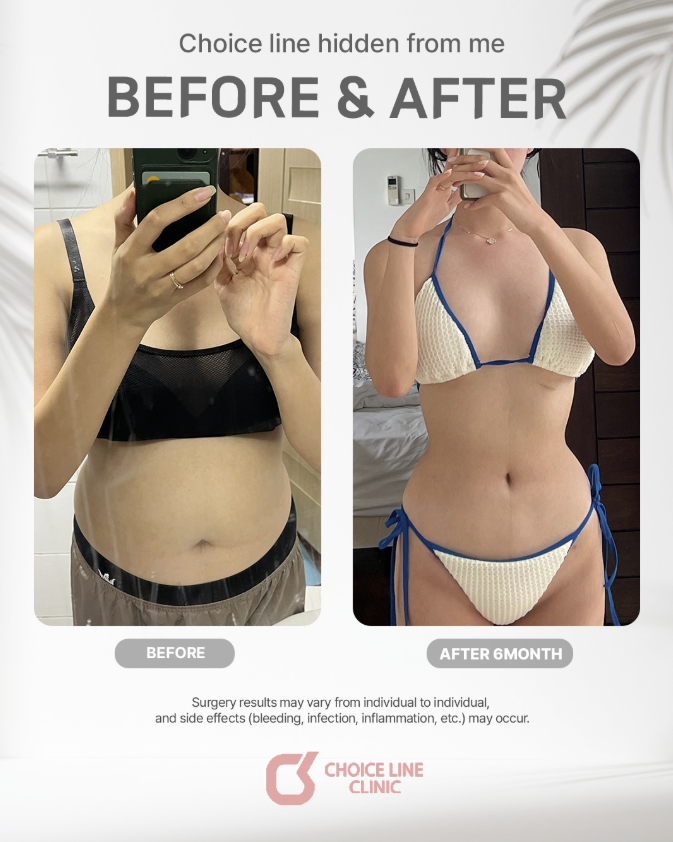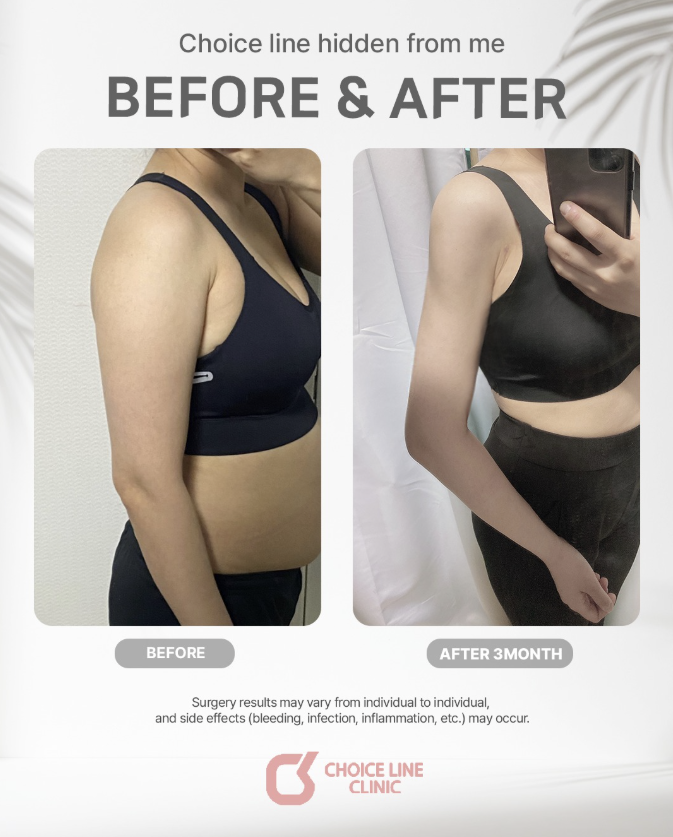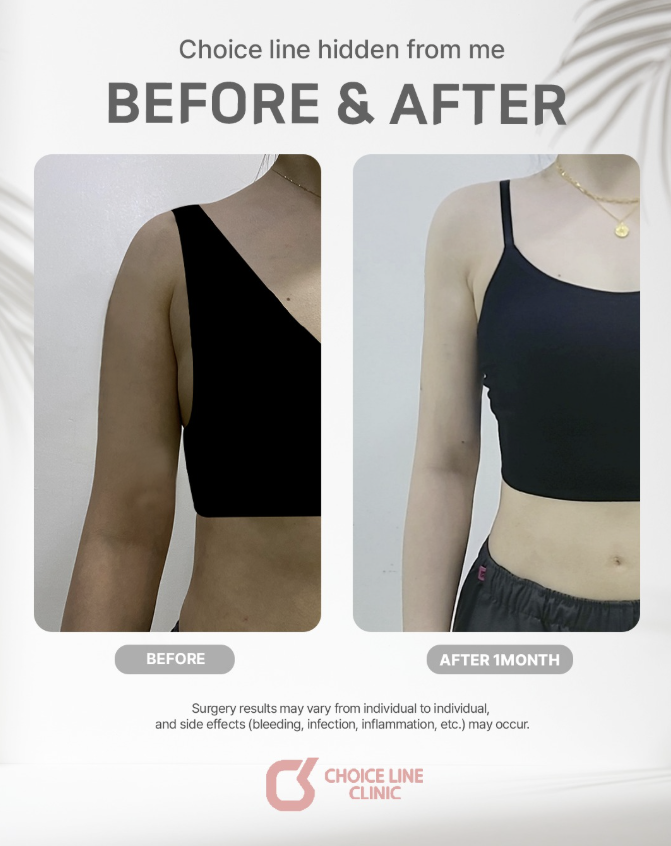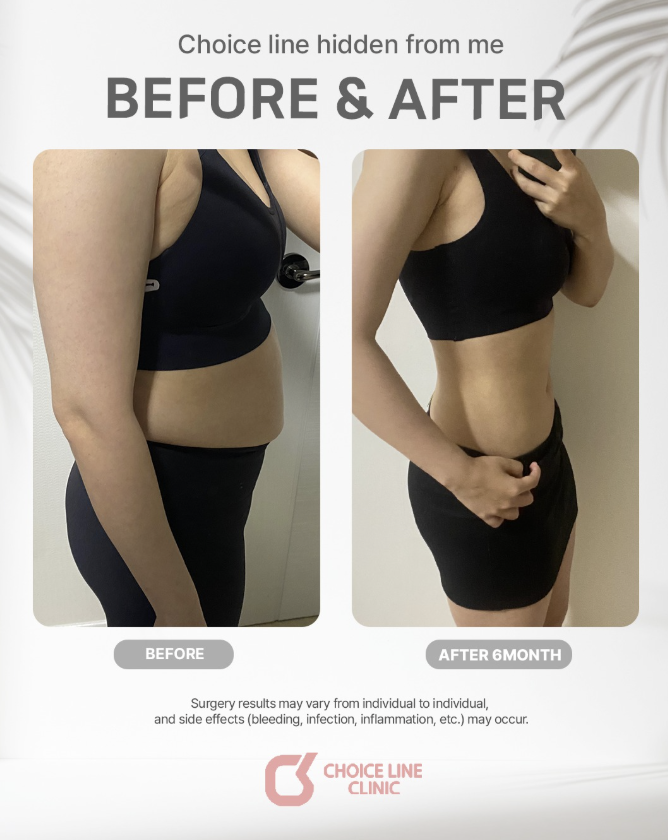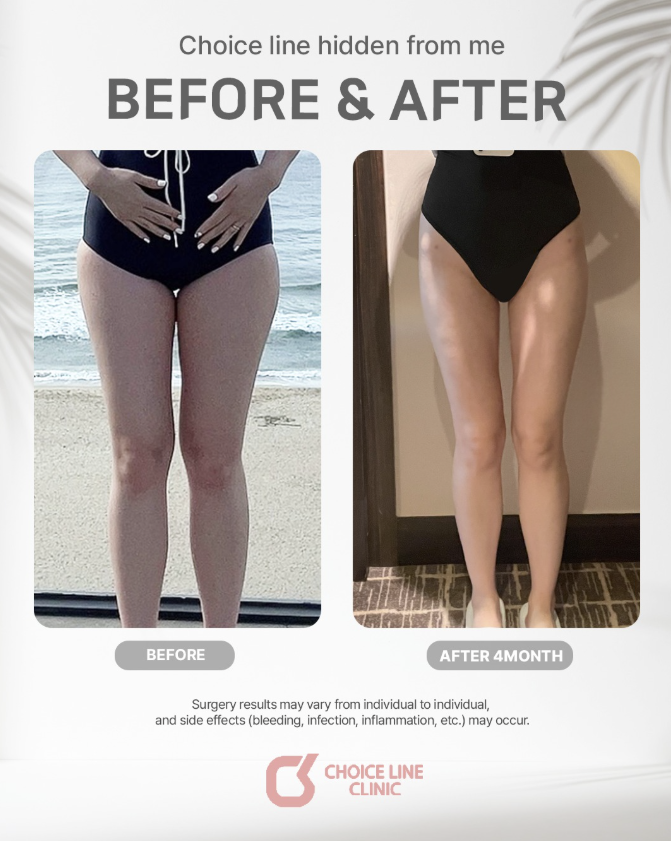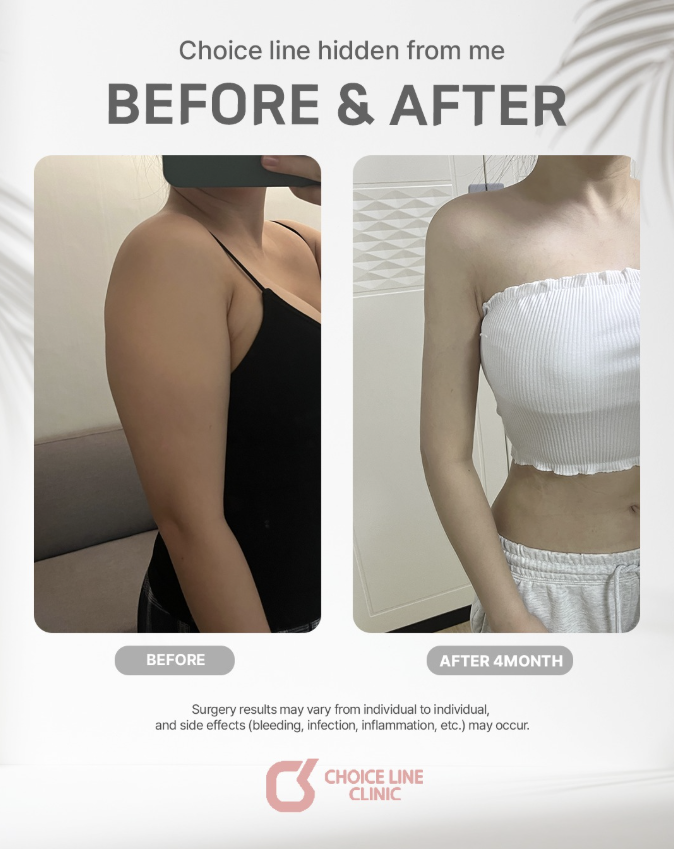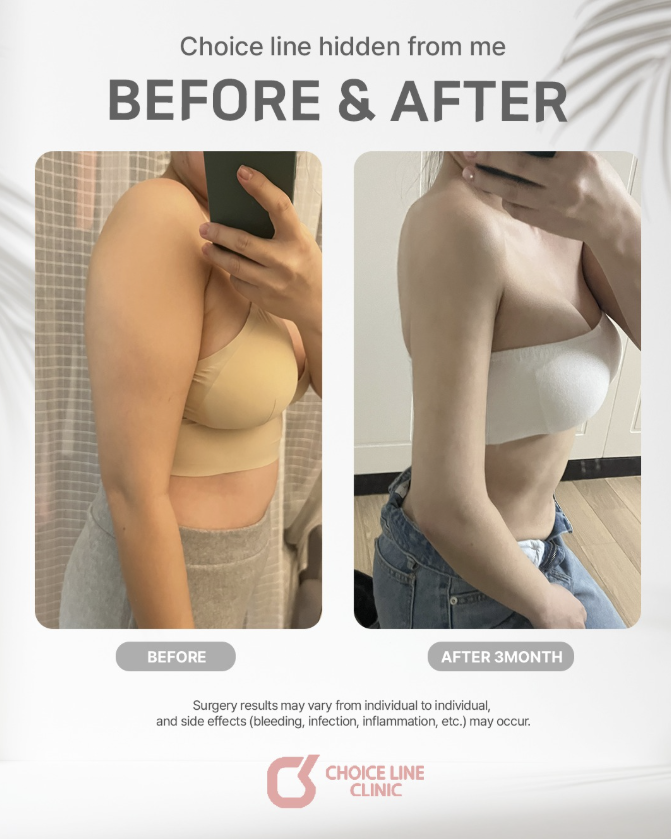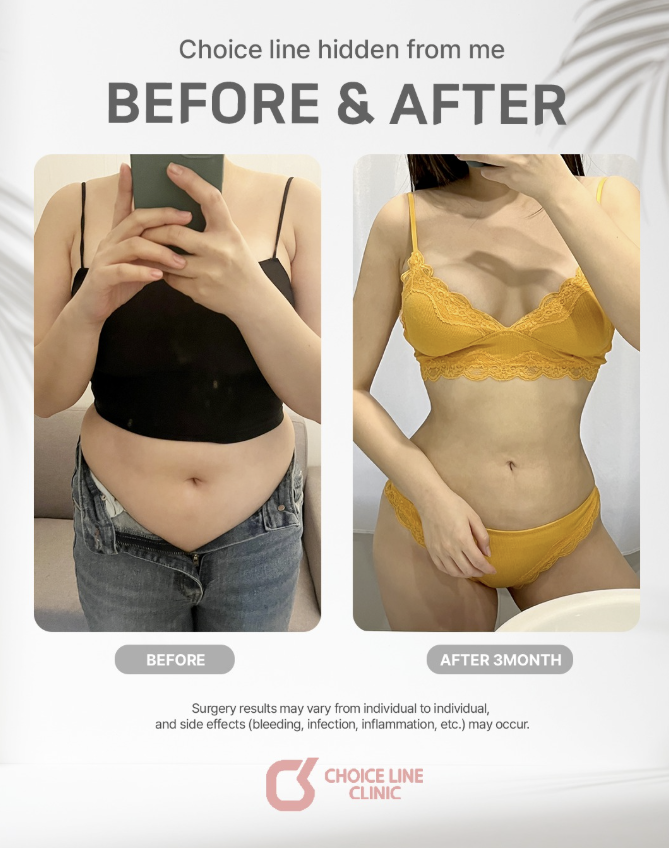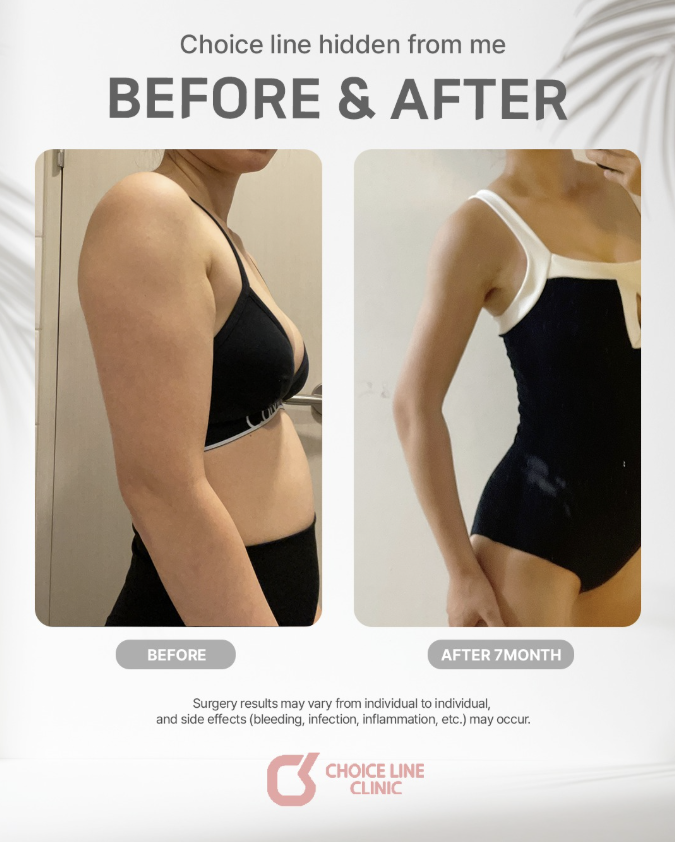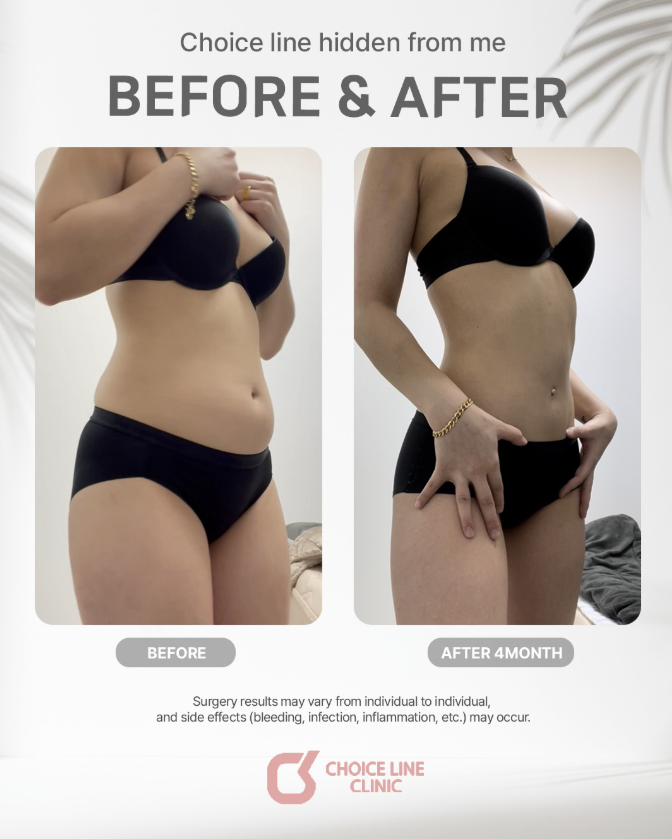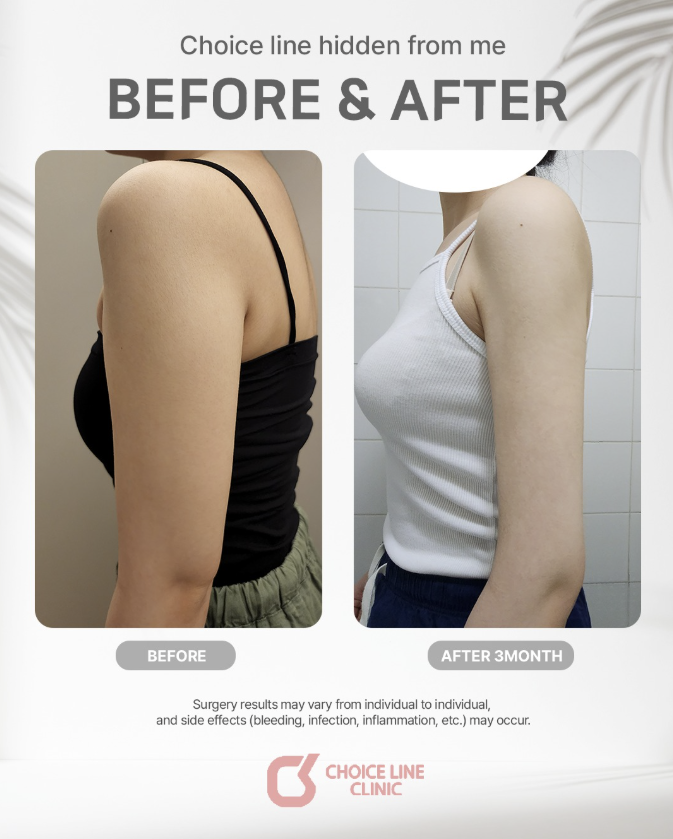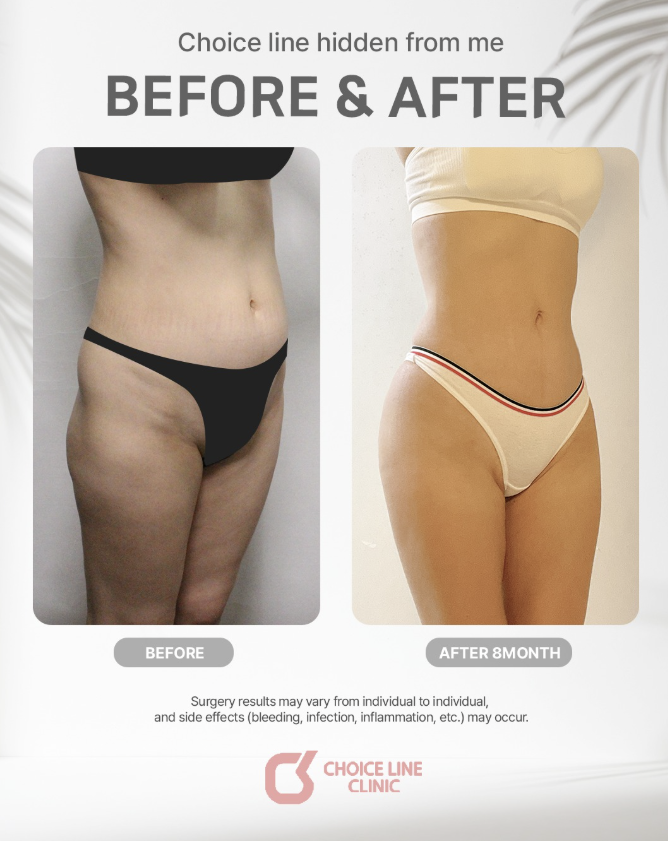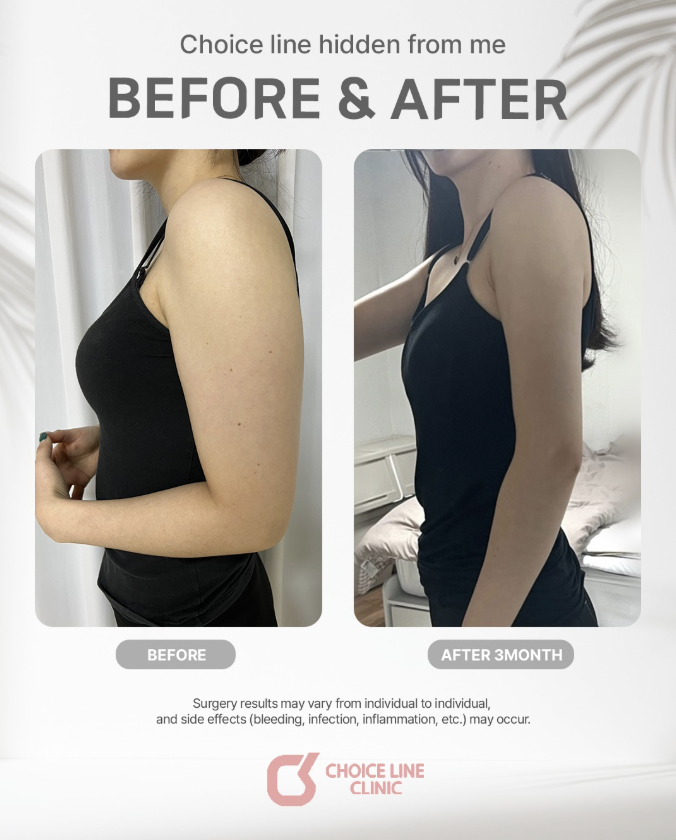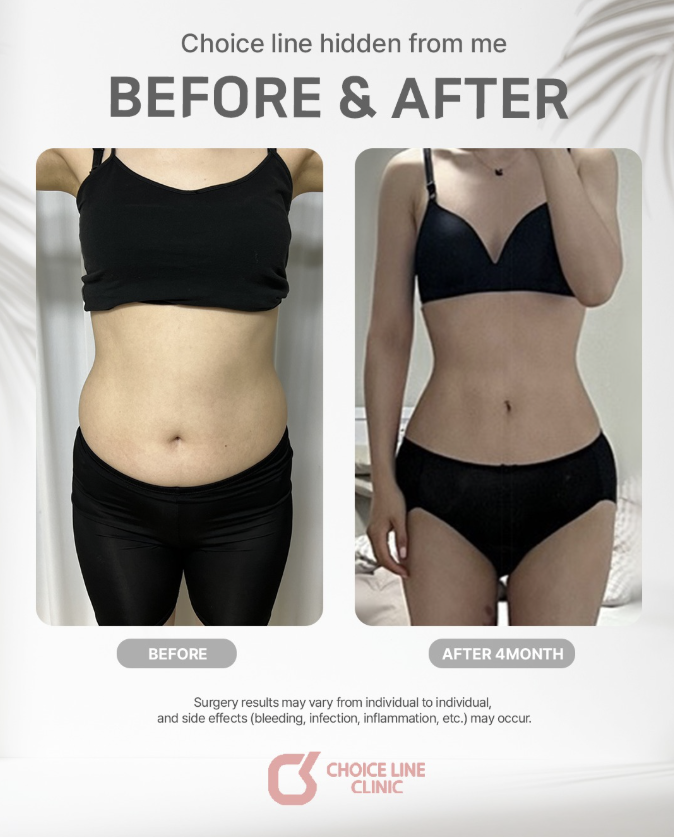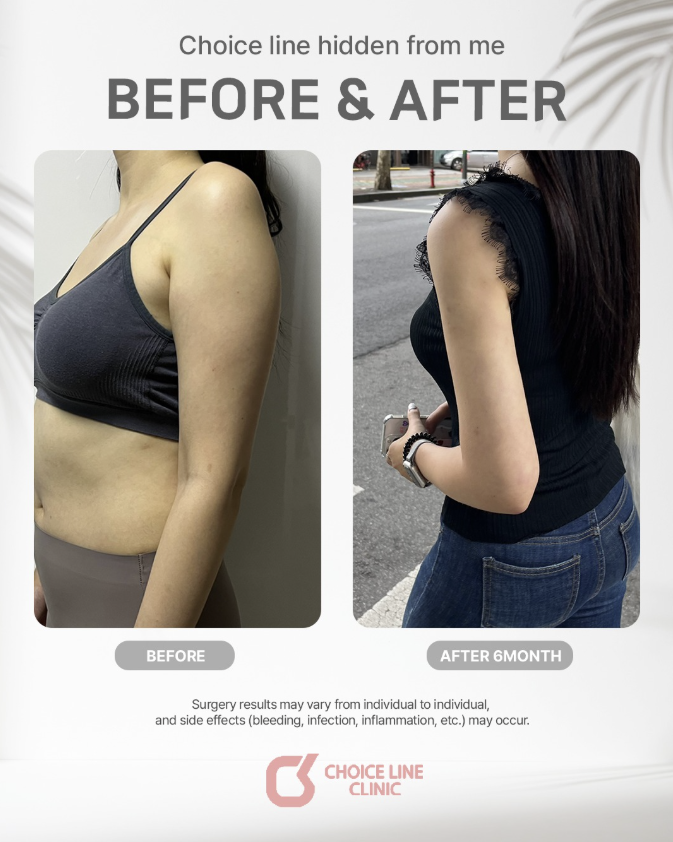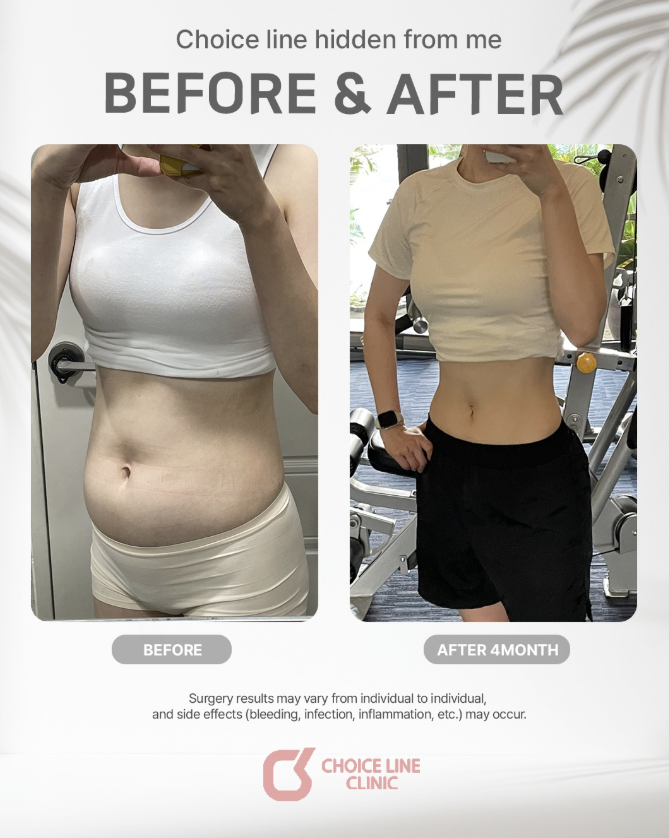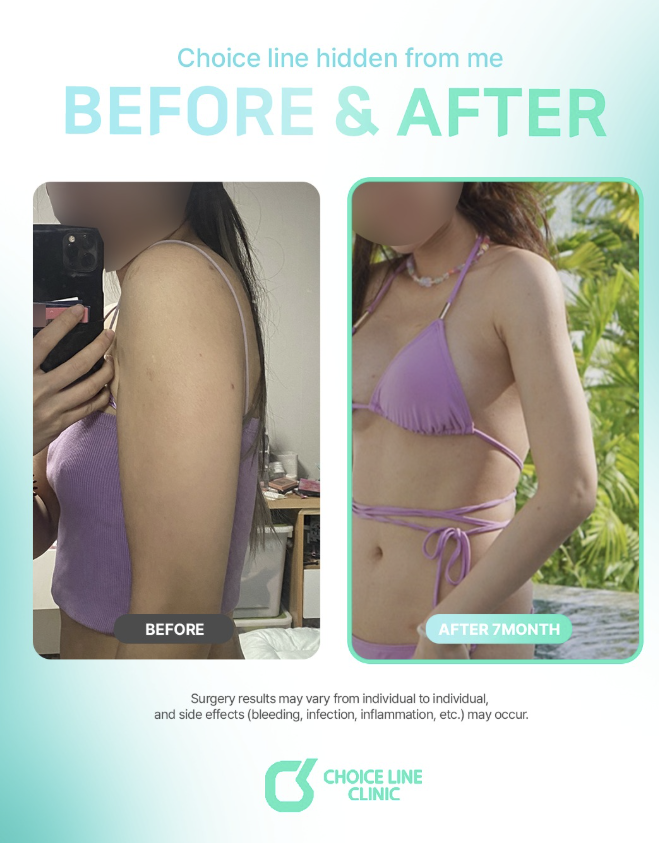

The lower belly — the area below the belly button and above the pubic line — is one of the most common places for fat to linger. Many people describe it as a “pooch” that stays even after weight loss and core training. Lower belly liposuction can help in the right situation, but it is important to understand what causes the bulge before deciding on treatment.
01 Why the Lower Pooch Is So Persistent
Several factors make the lower abdomen a stubborn area:
- Fat distribution: genetics and hormones often direct fat storage below the navel
- Pregnancy: stretching of skin and muscle can change the contour
- Posture: an anterior pelvic tilt can make the lower belly look fuller
- Age: skin elasticity gradually decreases over time
Because more than one factor is usually involved, the first step is working out which ones apply to you.
Hormonal shifts later in life can also move fat storage toward the abdomen, which is why many people notice the lower pooch becoming more prominent in their thirties and forties even without a change in weight.
02 What Lower Belly Liposuction Can Do
When the bulge is mainly caused by subcutaneous fat, liposuction may:
- Reduce the soft, pinchable fat below the belly button
- Create a smoother line from the waist to the hips
- Improve how waistbands and fitted clothing sit
- Balance the lower abdomen with the upper abdomen
The aim is a flatter, more even contour, not a change in body weight.
Results are gradual. Swelling hides the early outcome, and the final shape depends on how well the skin retracts over the following months.
03 What It Cannot Fix
- Loose or hanging skin: liposuction removes fat but does not remove excess skin
- Muscle separation: diastasis recti needs a different approach
- Visceral fat: fat beneath the abdominal muscles cannot be suctioned
- Scar tethering: old scars may create grooves that need separate attention
If these are major contributors, your surgeon may discuss alternatives such as an abdominoplasty.
A simple self-check: if the bulge flattens noticeably when you tighten your core, muscle laxity may be part of the picture.
04 Lower Belly Only or the Whole Abdomen?
Treating only the lower belly can work well when the upper abdomen is already flat. However, surgeons often assess:
- Whether the upper abdomen will look fuller after lower-belly treatment
- How the flanks and love handles connect to the lower belly
- Whether the waist and hips need blending for a natural silhouette
A whole-midsection view helps avoid an unbalanced result.
Front, side and three-quarter photographs taken at the consultation make these relationships easier to see and give you a baseline for comparing progress later.
05 Who May Be a Good Candidate?
- A stable weight, ideally maintained for several months
- Pinchable fat below the navel rather than a firm, tight belly
- Fair to good skin elasticity
- No plans for pregnancy in the near future
- Good general health and realistic expectations
Your medical history and an in-person examination remain the most reliable guide.
People who are still losing weight are usually advised to reach a stable point first, because large changes after surgery can alter the contour that was created.
06 What Happens During the Procedure?
Approaches differ, but a typical lower-belly procedure involves:
- Marking the area while you stand so natural folds are visible
- Tumescent fluid to reduce bleeding and discomfort
- Small incisions, often placed low near the bikini line
- Careful contouring so the lower belly blends into the waist
Your surgeon will explain the anesthesia option that suits the extent of treatment.
Incision sites are typically only a few millimetres long, and their placement is chosen to be hidden by underwear or swimwear wherever possible.
07 Recovery Expectations
- Days 1–3: swelling, tightness and some fluid drainage are common
- Weeks 1–3: a compression garment is usually worn most of the day
- Months 1–3: swelling settles and the lower contour becomes clearer
- Months 3–6: the result is usually closer to final
The lower abdomen can hold swelling longer than other areas, so patience in the first few months is normal. Short walks are usually encouraged early on.
08 Questions to Ask at Your Consultation
- Is my lower pooch mainly fat, skin, muscle or a combination?
- Would liposuction alone give a smooth result, or would I need skin tightening?
- Should the upper abdomen or flanks be included?
- Where will the incisions be placed?
- How long should I wait after pregnancy or weight loss before surgery?
- What recovery timeline should I plan around?
Clear answers to these questions will help you decide whether lower belly liposuction is the right next step.
Lower belly liposuction can reduce a stubborn pooch when the cause is mainly subcutaneous fat. If loose skin, muscle separation or visceral fat play a large role, other options may be more appropriate — so an honest assessment comes first.
This article is for general information only and is not medical advice. Suitability, technique and recovery differ for every person, so please discuss your situation with a qualified surgeon.