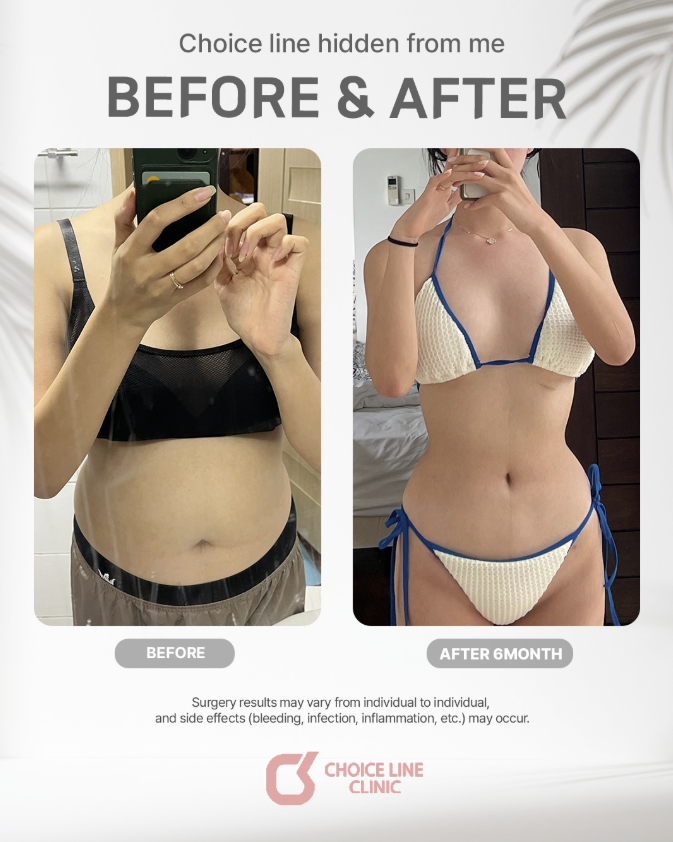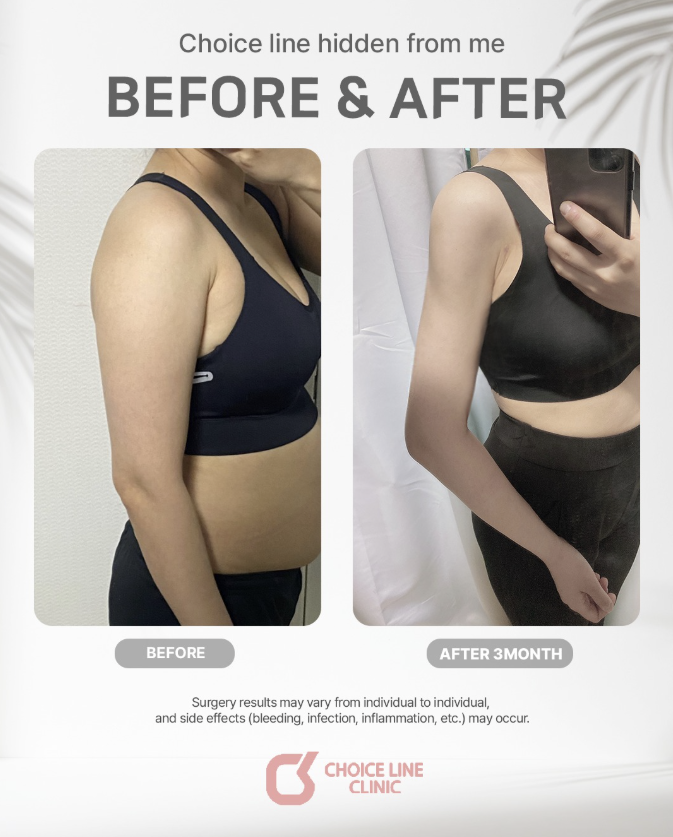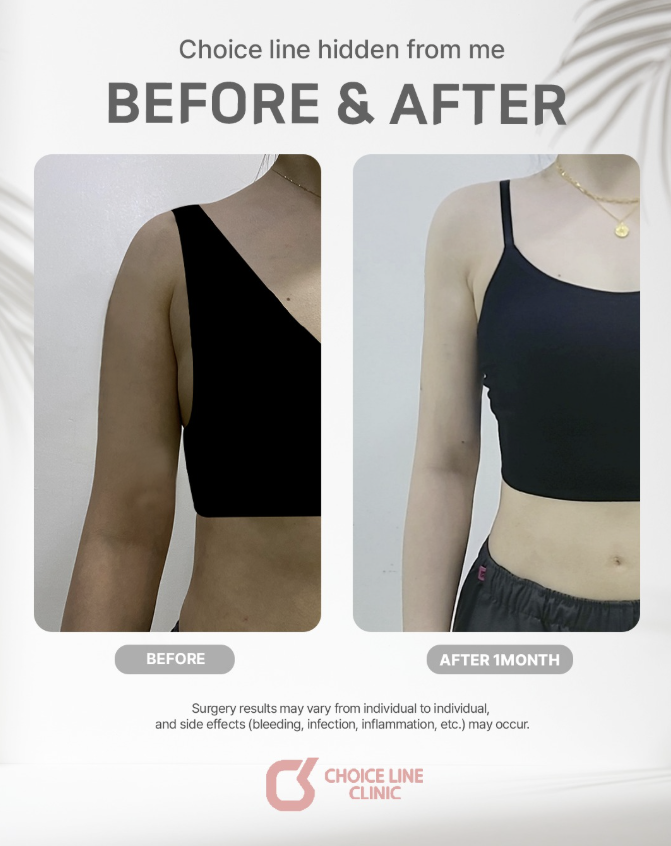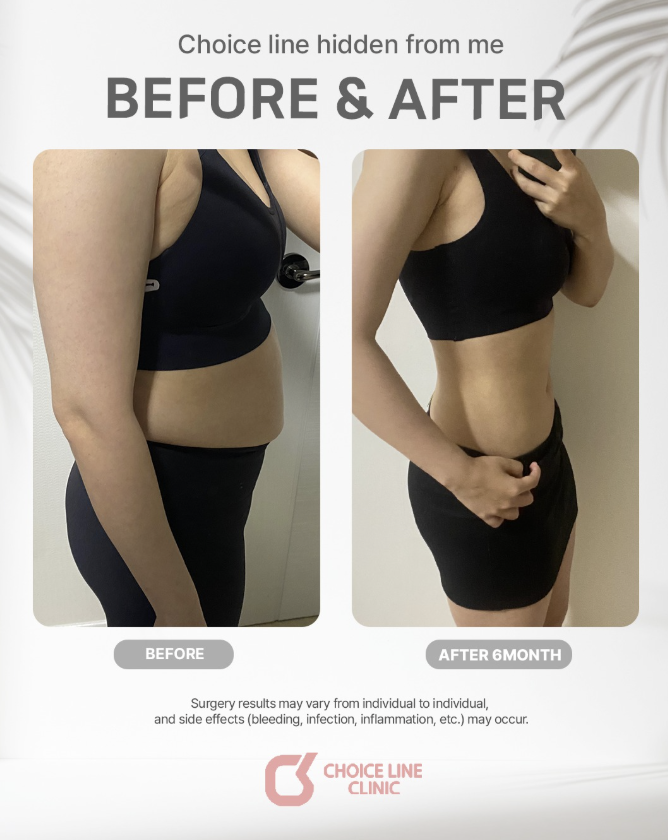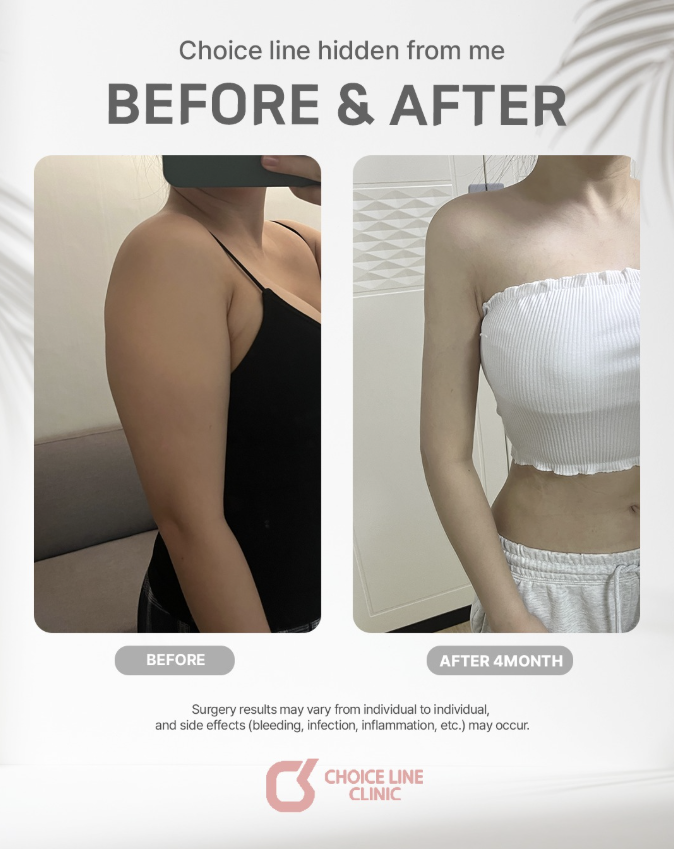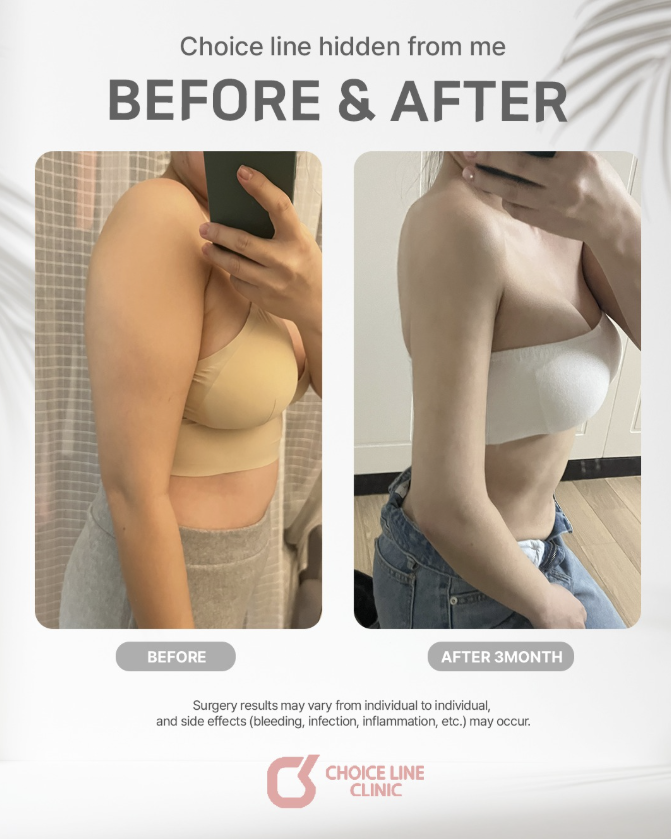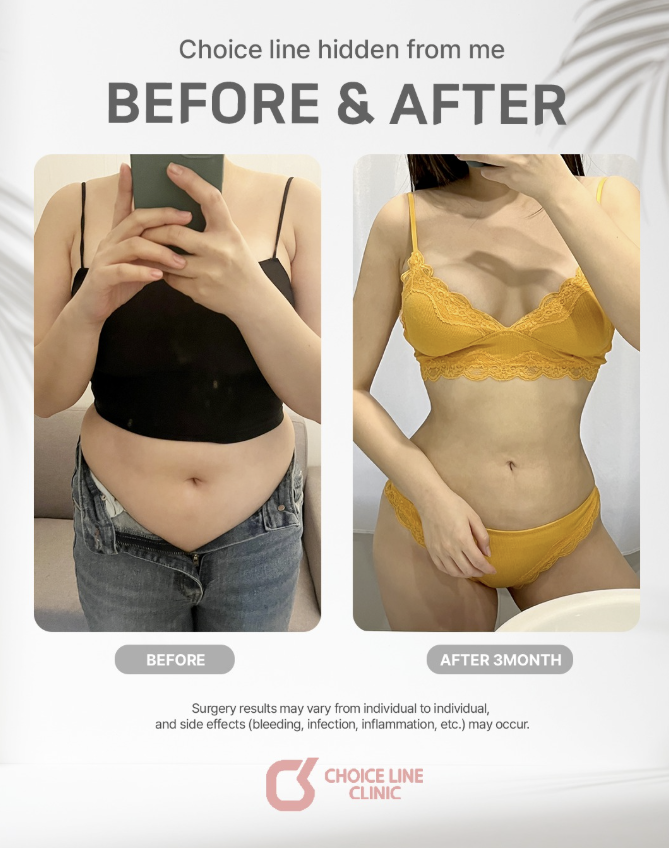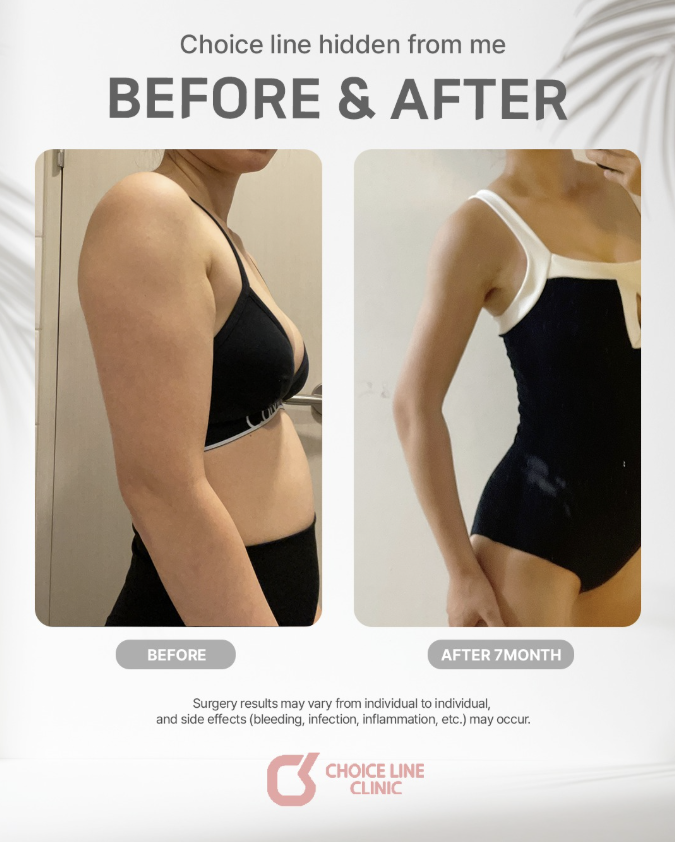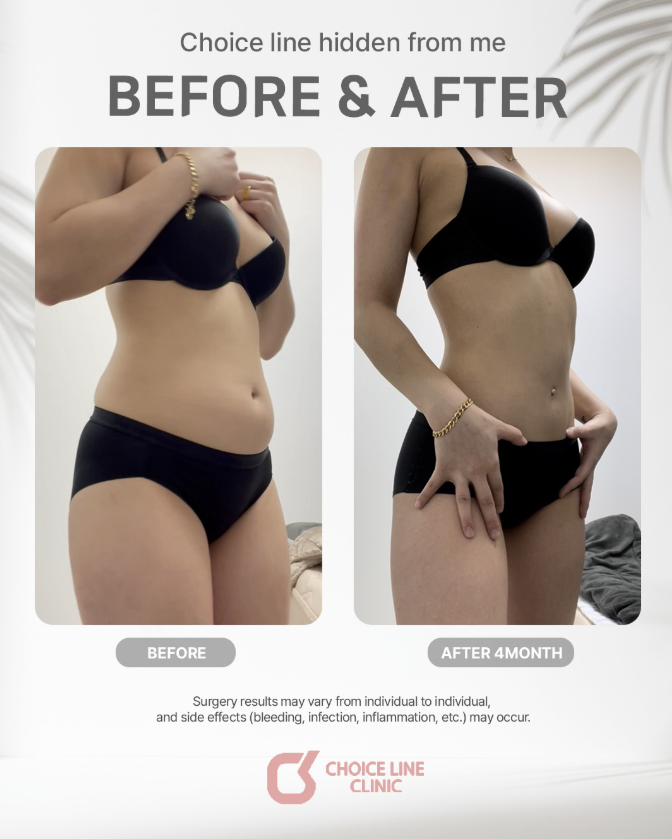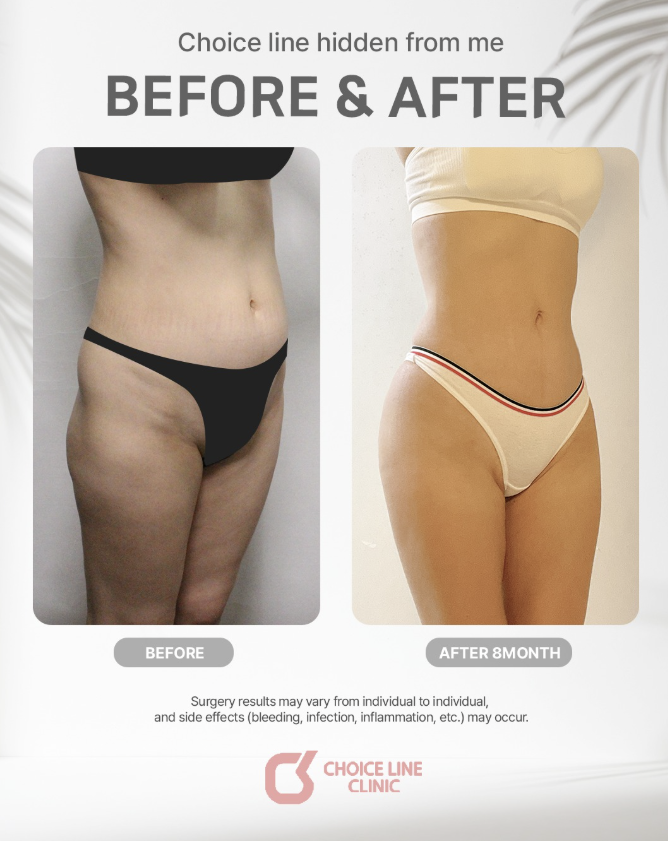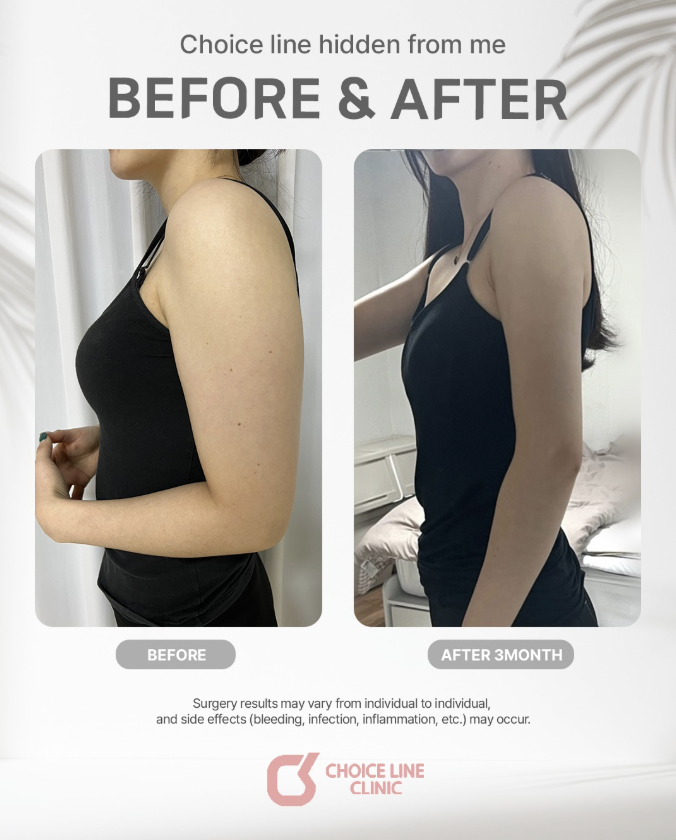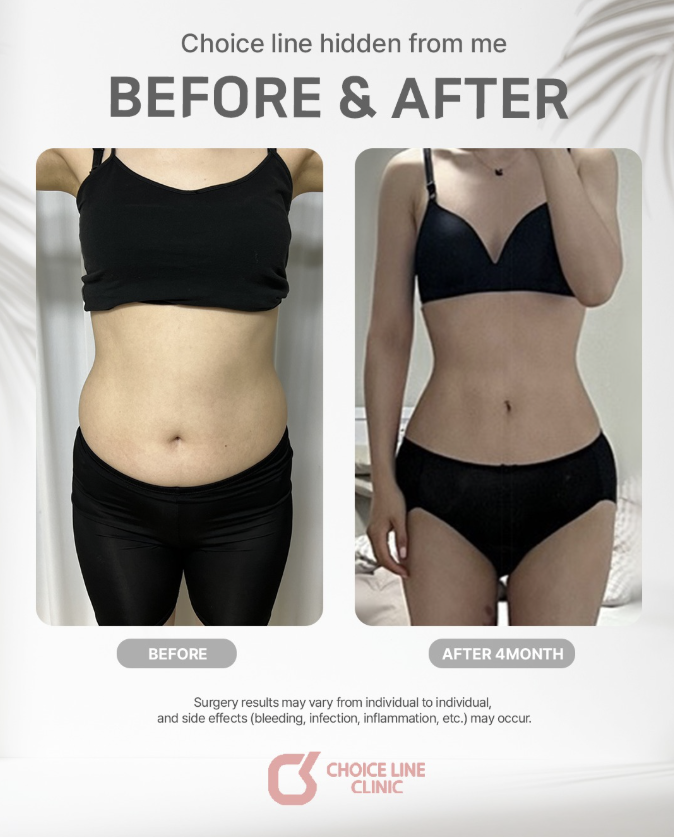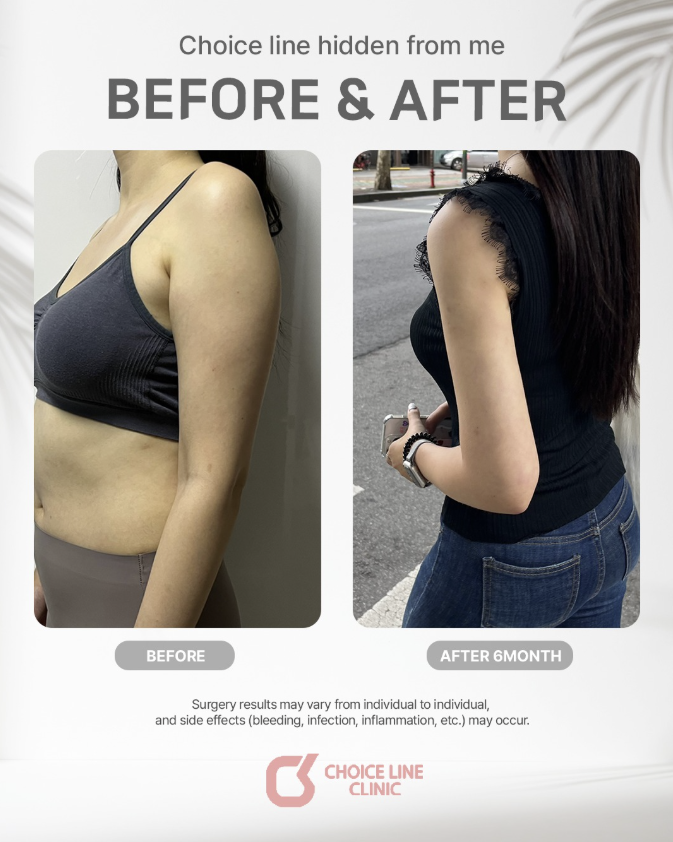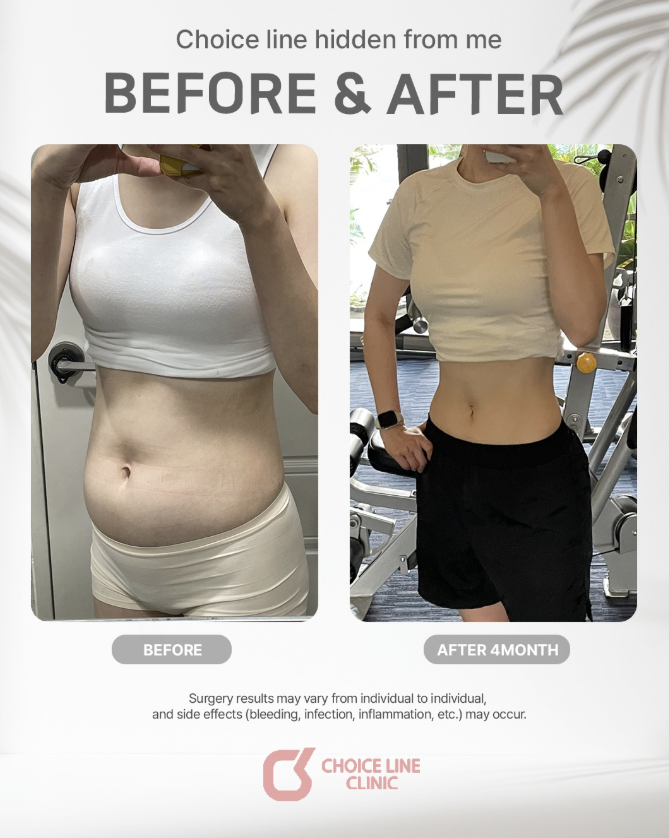

The upper abdomen — the area between the bottom of the ribs and the belly button — often keeps a soft layer of fat even when the rest of the body is lean. Upper abdomen liposuction targets this zone specifically. Here is what the treatment area includes, what it can and cannot change, and how to prepare useful questions for your surgeon.
01 Where Exactly Is the Upper Abdomen?
Surgeons usually define the upper abdomen as the region bordered by:
- Top: the lower edge of the rib cage (costal margin)
- Bottom: roughly the level of the belly button
- Sides: the outer edge of the abdominal wall, where it meets the flanks
Because the skin and fat here sit directly over the rib margin and the upper abdominal muscles, this area behaves differently from the lower belly and needs its own planning.
02 What Upper Abdomen Liposuction Can Change
The procedure removes subcutaneous fat — the pinchable layer under the skin. Depending on your anatomy, it may help to:
- Reduce a soft bulge just below the ribs
- Create a flatter transition from chest to waist
- Improve the balance between the upper and lower abdomen
- Make clothing sit more smoothly across the midsection
Results are shaped by skin quality and underlying muscle, so the goal is a refined contour rather than a dramatically different torso. People who exercise regularly often find that this area is the last to change, which is one reason it is a frequent consultation request.
03 What It Cannot Treat
Liposuction is not a weight-loss operation, and the upper abdomen has some clear limits:
- Visceral fat — fat around the organs, beneath the muscle — cannot be suctioned
- Muscle separation(diastasis recti) is not repaired by liposuction
- Significant loose skin may not tighten enough on its own
- Stretch marks are not removed
If your abdomen feels firm when you pinch it, much of the volume may be visceral fat, which responds to lifestyle and medical management rather than surgery.
04 Upper vs. Lower Abdomen: How Planning Differs
Many people assume the abdomen is treated as one block, but surgeons often plan the zones separately:
- Fat thickness is usually thinner above the belly button, so removal is more conservative
- Access points may be placed differently to reach the area under the ribs
- Contour transitions need to blend smoothly into the lower belly and flanks
Treating only the upper zone when the lower belly is fuller can leave an unbalanced shape, which is why your surgeon may suggest assessing the whole midsection. Photos taken from the front, side and at an angle help show how the zones relate to each other.
05 Who May Be a Suitable Candidate?
Good candidates for upper abdomen liposuction typically share these traits:
- A stable body weight, close to their personal goal
- Localized, pinchable fat above the belly button
- Reasonable skin elasticity
- Good general health and no smoking, or willingness to stop
- Realistic expectations about contour change
A medical history review and physical examination are needed to confirm whether surgery is appropriate for you.
06 How the Procedure Is Usually Performed
Although techniques vary between surgeons, a typical approach includes:
- Marking the treatment area while you are standing
- Infiltrating tumescent fluid to reduce bleeding and discomfort
- Removing fat through small incisions with a thin cannula
- Checking symmetry and smoothness before closing
The type of anesthesia — local, sedation or general — depends on the extent of treatment and your surgeon’s recommendation.
07 What Does Recovery Look Like?
Recovery is individual, but many patients notice a similar pattern:
- First days: tightness, swelling and some bruising
- First weeks: a compression garment is commonly worn to support the area
- 1–3 months: swelling gradually settles and the new contour becomes clearer
- 3–6 months: results are usually closer to final
Follow your surgical team’s instructions on activity, garment wear and follow-up visits. Light walking is usually encouraged early on to support circulation, while strenuous exercise is introduced gradually once your surgeon confirms it is safe.
08 Questions to Ask at Your Consultation
Bring a short list so you leave the appointment with clear answers:
- Is my upper abdominal fat mainly subcutaneous or visceral?
- Should the lower abdomen or flanks be treated at the same time?
- How will my skin elasticity affect the result?
- Where will the incisions be placed?
- What type of anesthesia do you recommend, and why?
- How long should I plan to stay if I am travelling for surgery?
Upper abdomen liposuction focuses on the pinchable fat between the ribs and the belly button. It can refine the contour of the midsection, but it does not treat visceral fat, muscle separation or significant loose skin — so a careful in-person assessment is the most important first step.
This article is for general information only and is not medical advice. Suitability, technique and recovery differ for every person, so please discuss your situation with a qualified surgeon.