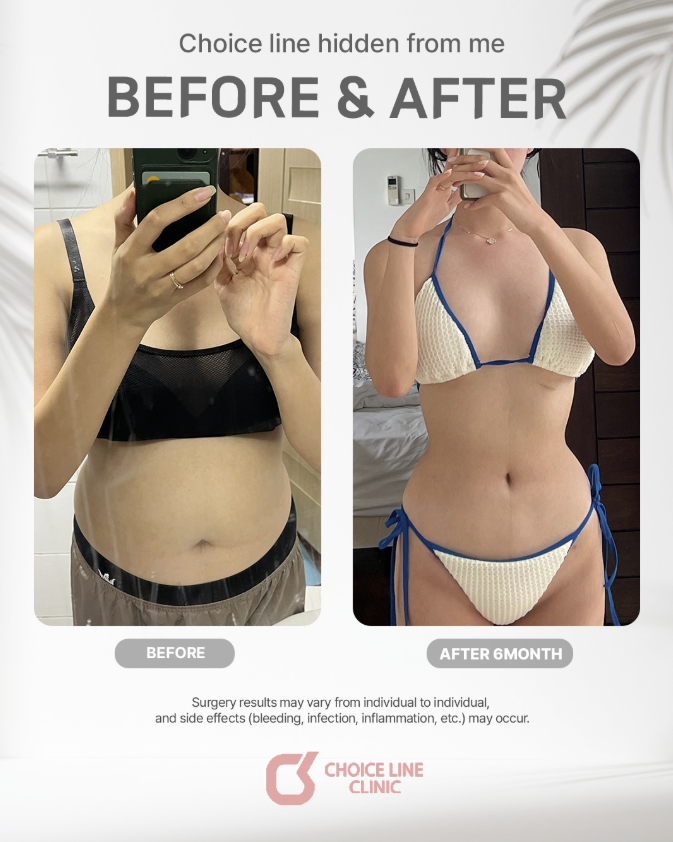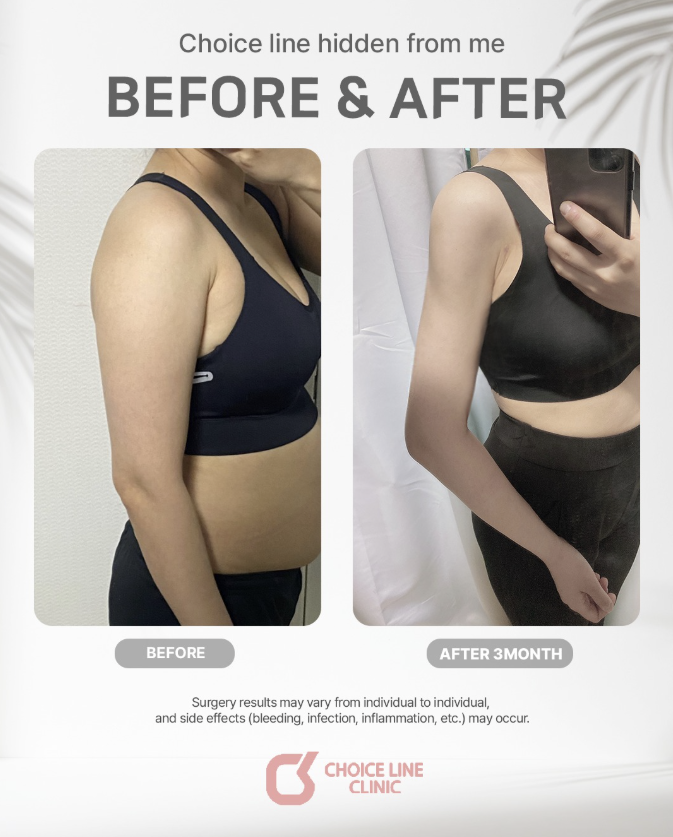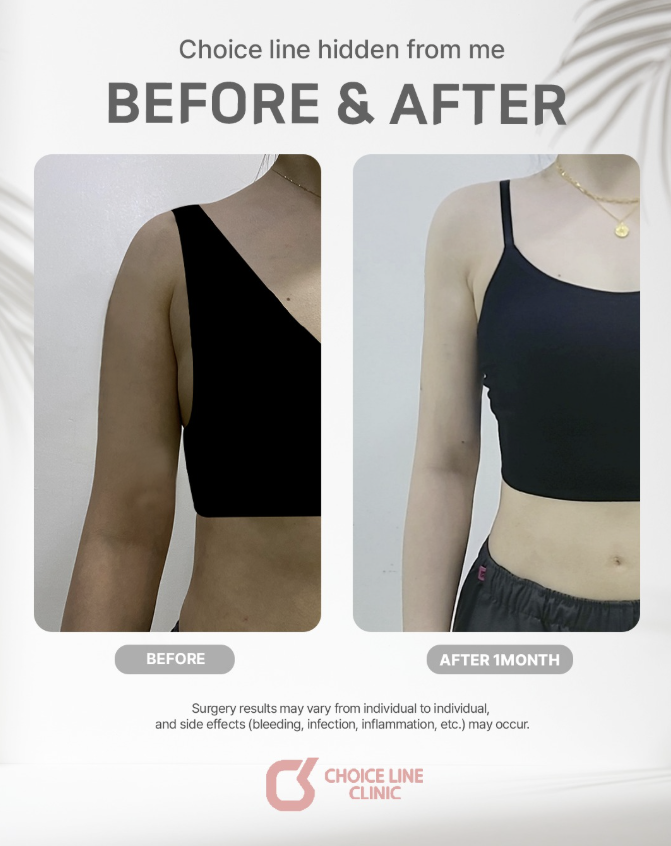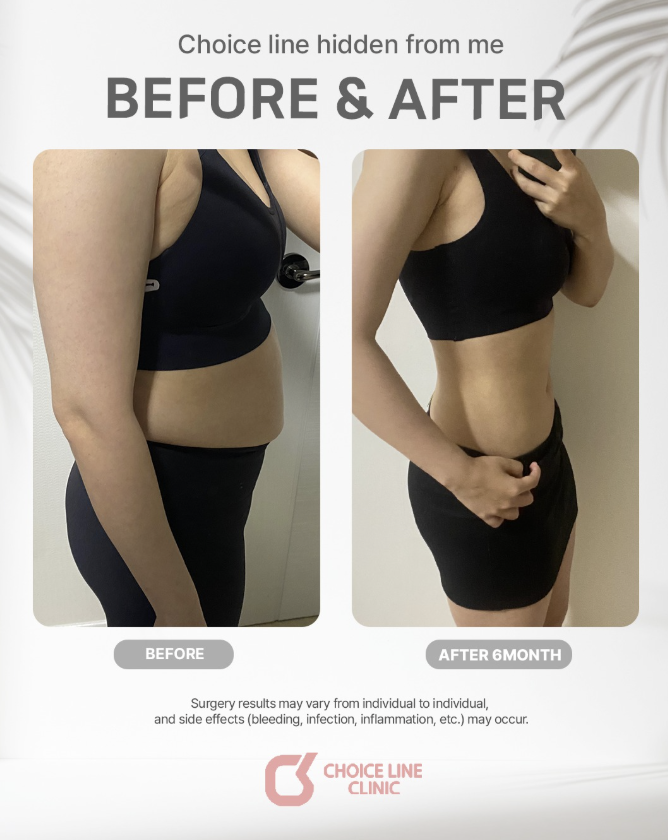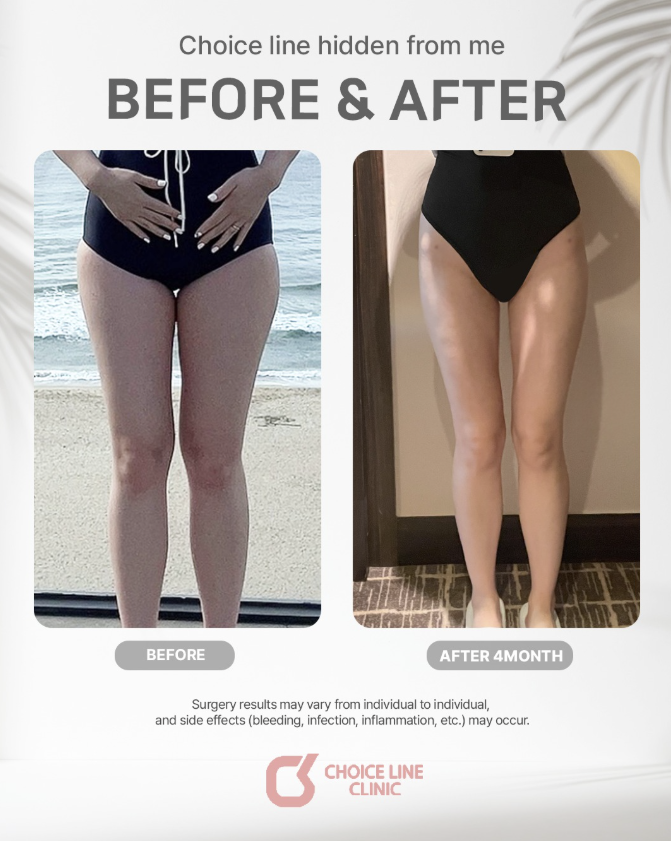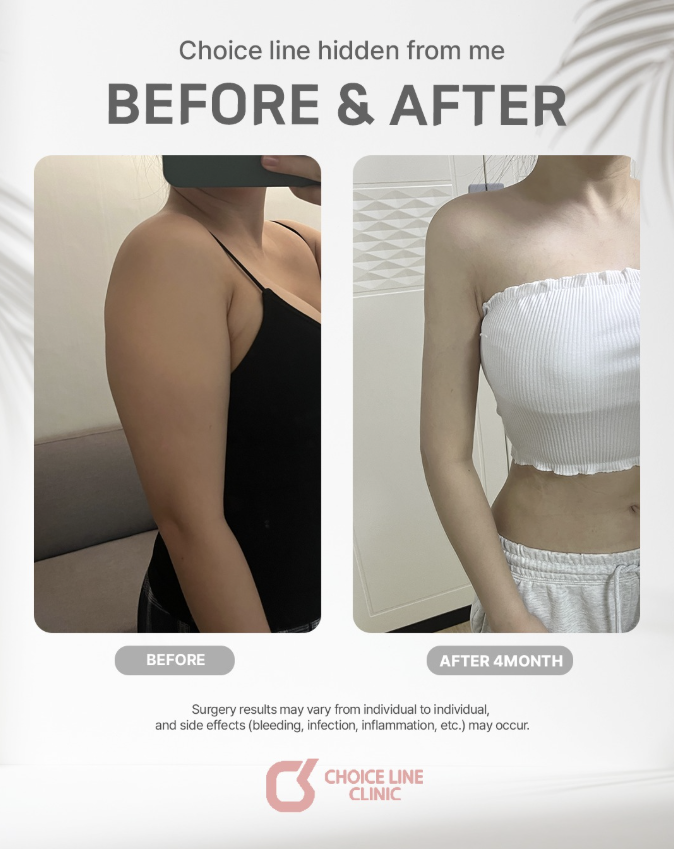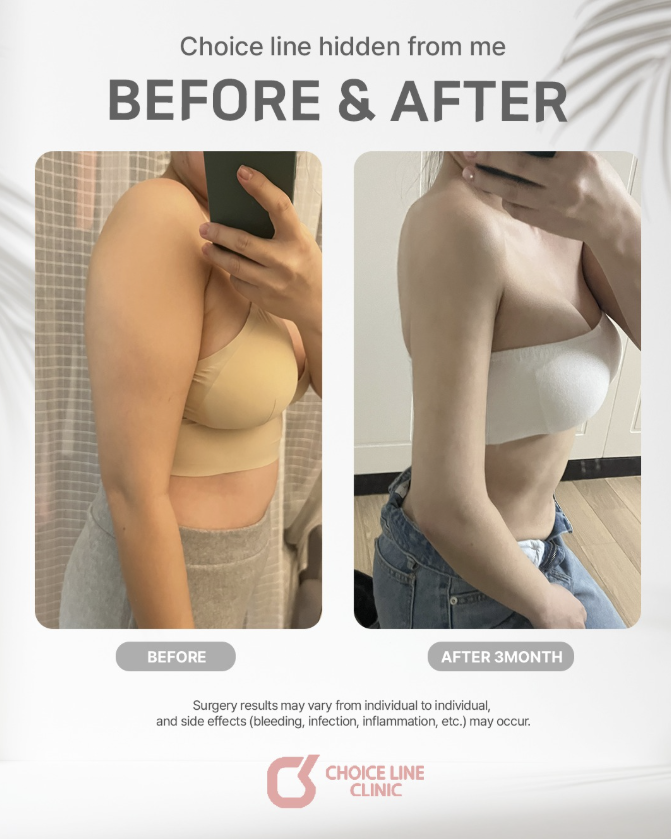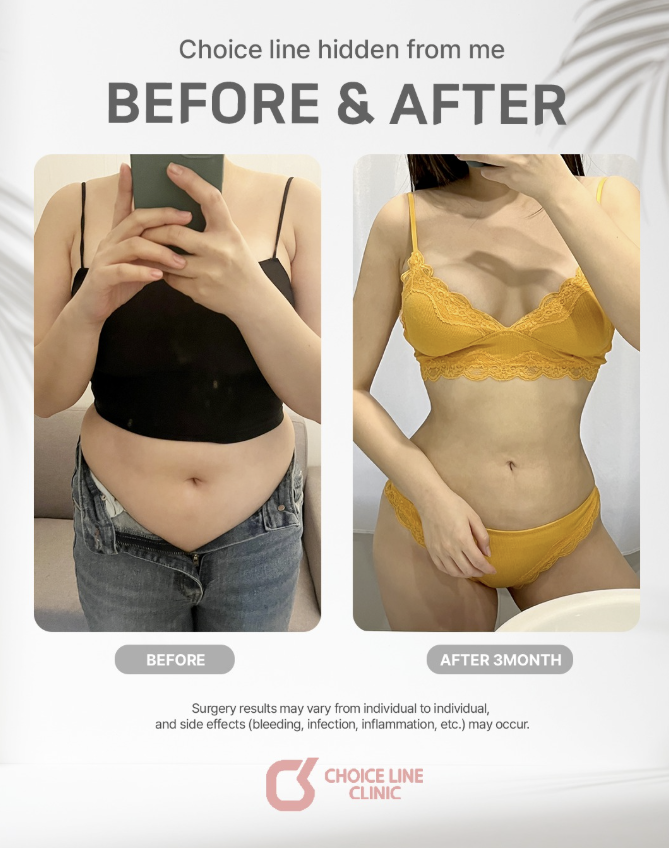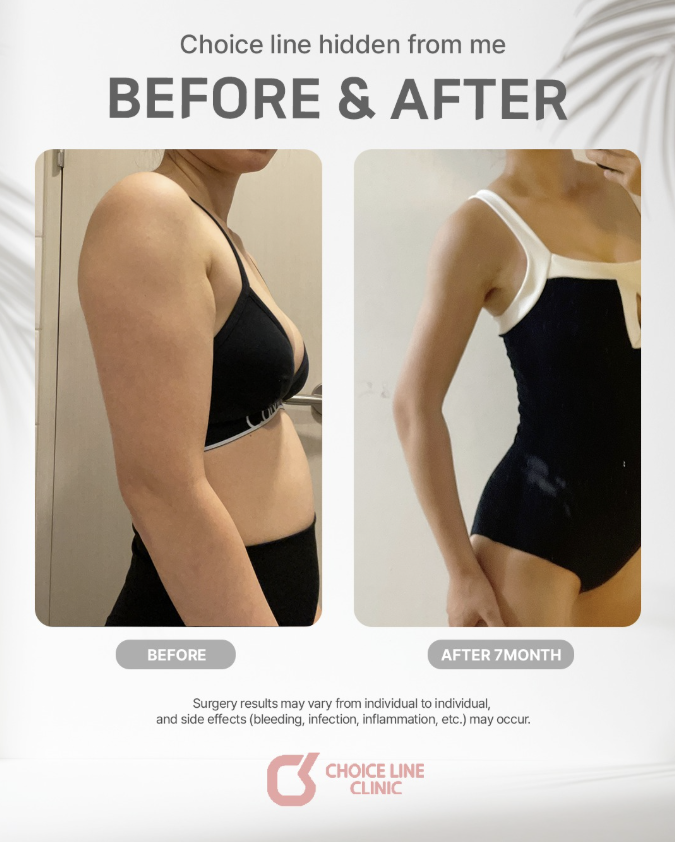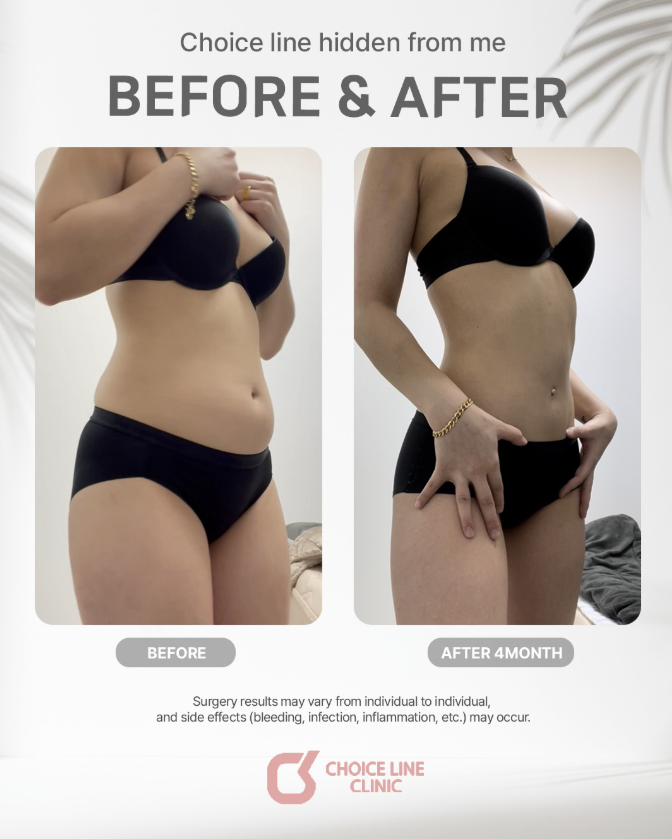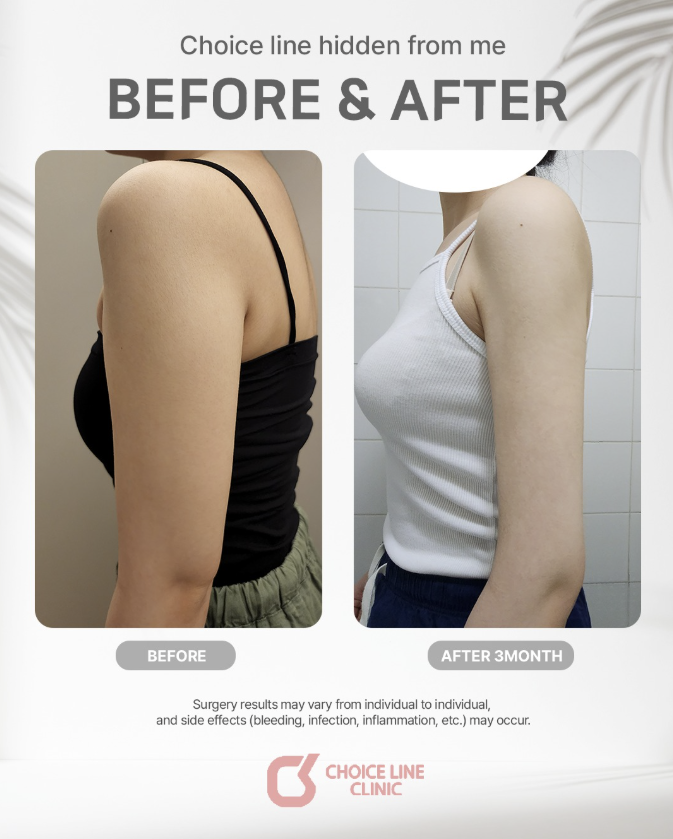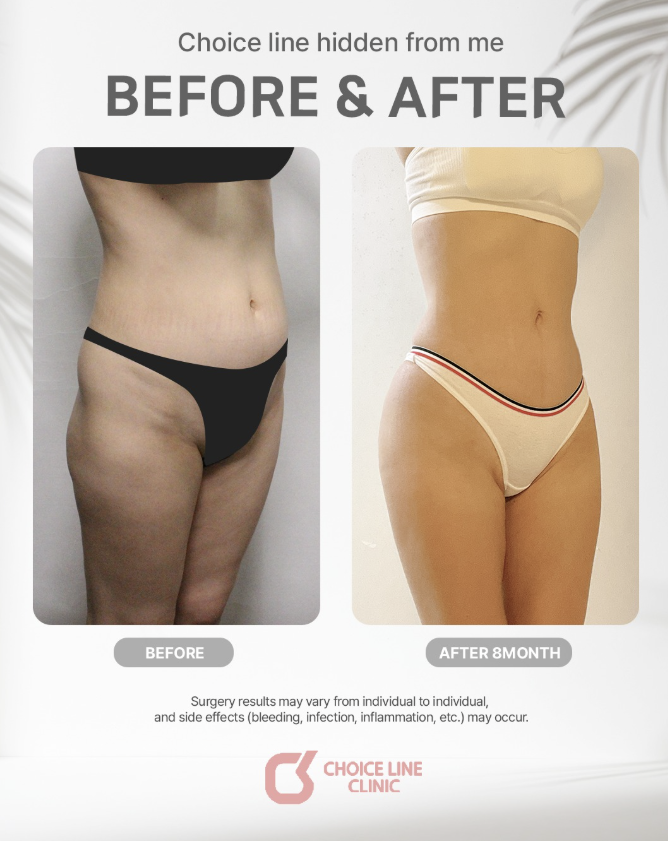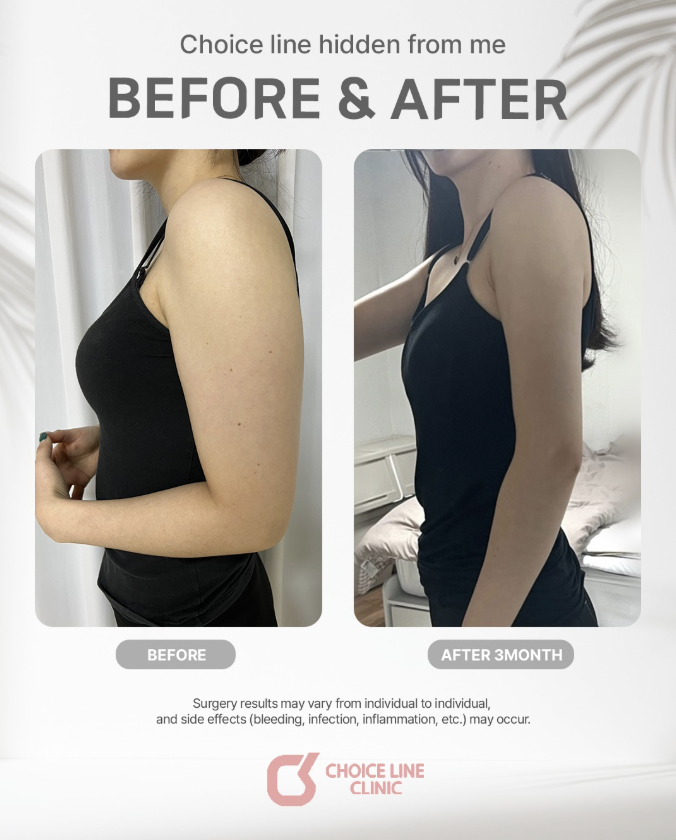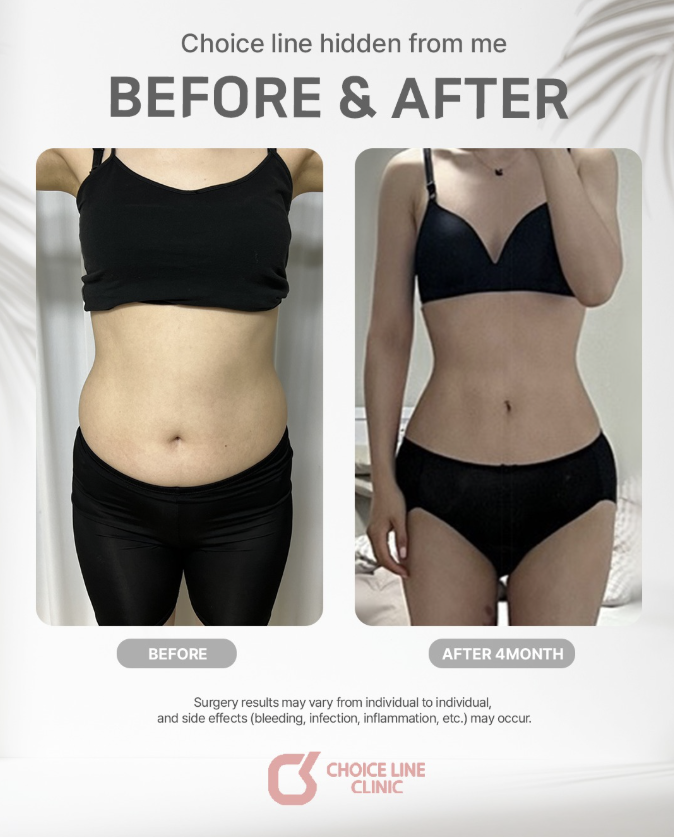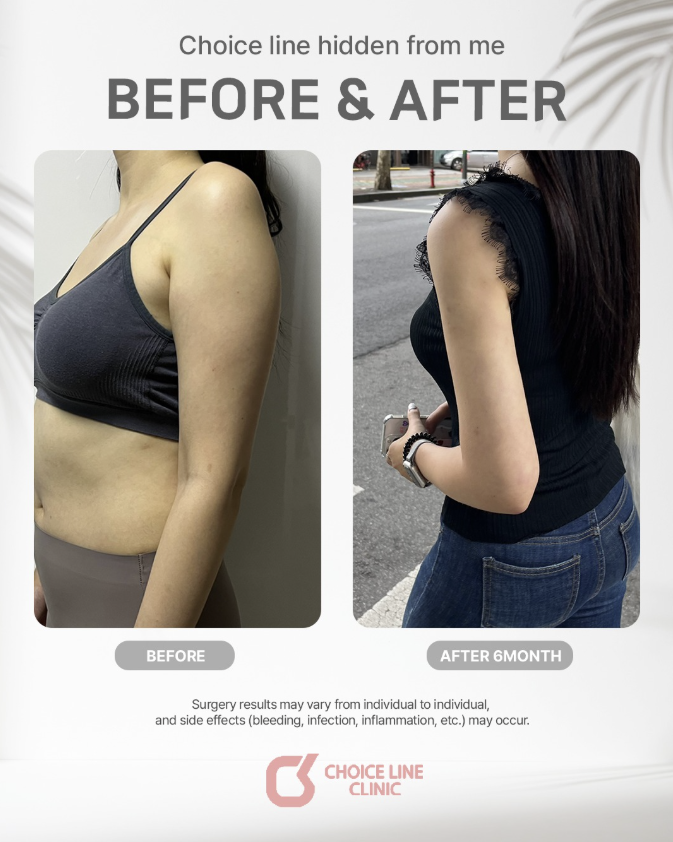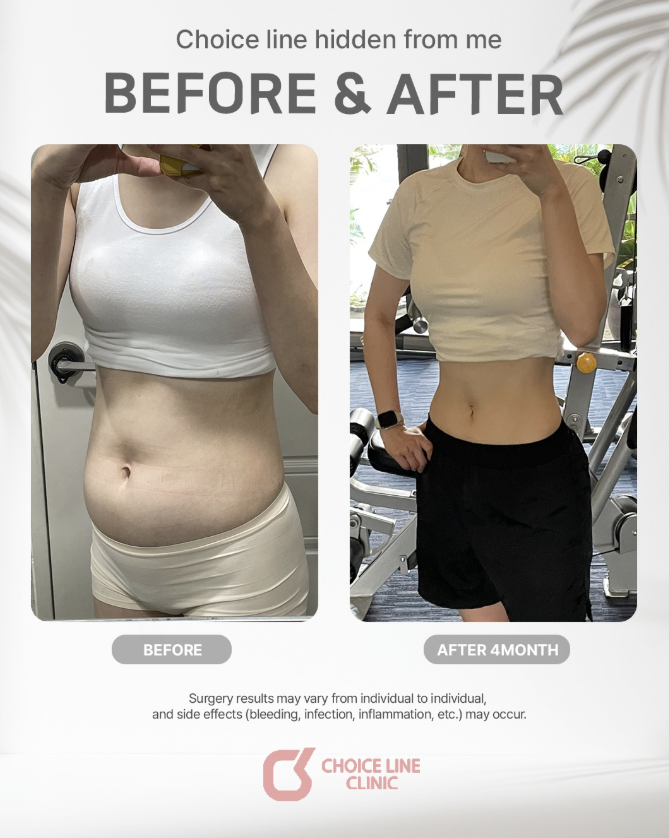

Not every belly responds to liposuction in the same way. A soft, pinchable abdomen and a firm, rounded abdomen can look similar in photos, but the fat behind them is often very different. Understanding the two main types of abdominal fat helps explain why some people are excellent liposuction candidates while others are better served by a different plan.
01 Two Types of Abdominal Fat
Abdominal fat sits in two main layers:
- Subcutaneous fat: the layer between the skin and the abdominal muscles; you can pinch it
- Visceral fat: fat deeper inside the abdomen, around the organs and beneath the muscle wall
Liposuction works only on the first layer. The cannula stays above the muscle, so visceral fat cannot be removed surgically in this way.
The amount of each layer varies widely between individuals. Two people with the same waist measurement may have very different proportions of subcutaneous and visceral fat, which is why visual assessment alone is not enough.
02 What Does a “Firm Belly” Usually Mean?
A belly that feels tight and round rather than soft often points to:
- A larger proportion of visceral fat pushing the abdominal wall outward
- A relatively thin layer of subcutaneous fat on top
- Possible bloating or abdominal wall laxity contributing to the shape
In these cases, removing the thin outer layer may make only a small visible difference.
Men are more likely to store fat viscerally, but women can also develop a firm abdomen, particularly after menopause when fat distribution tends to shift toward the midsection.
03 Why Visceral Fat Matters for Health
- It is linked with metabolic conditions such as insulin resistance
- It is associated with cardiovascular risk
- It often responds well to diet, exercise, sleep and medical management
Because of these links, a firm, enlarged abdomen is worth discussing with a general physician as well as a surgeon.
04 How Surgeons Tell the Difference
- Pinch test: how much tissue can be gathered between the fingers
- Contraction test: whether the abdomen changes shape when you tighten your core
- Body measurements: waist circumference and its change over time
- Imaging: occasionally ultrasound or other scans are used when the picture is unclear
Your weight history and lifestyle also help the surgeon understand which layer is driving the shape.
None of these tests is perfect on its own, so surgeons usually combine them to build a clear picture before recommending treatment.
05 When Liposuction Can Still Help
Even if some visceral fat is present, liposuction may be reasonable when:
- There is a clear layer of pinchable fat over the abdomen
- The goal is contour refinement, not a smaller waist measurement
- The flanks or lower belly have distinct fat pockets
- Weight has been stable and lifestyle changes are already underway
In these situations, liposuction may improve the outline while overall health measures address the deeper fat.
Setting expectations around shape rather than size is important. Clothing may fit differently and the outline may look smoother, even if the scale barely moves.
06 When Another Approach Makes More Sense
- A belly that is mostly firm with little pinchable tissue
- Significant recent weight gain or ongoing weight change
- Muscle separation that needs repair rather than fat removal
- Medical conditions that should be optimised before any surgery
An honest surgeon will explain when the expected improvement does not justify the procedure.
Choosing not to operate is sometimes the most appropriate recommendation, and a second opinion can be helpful if you are unsure.
07 Lifestyle Steps That Target Visceral Fat
Visceral fat tends to respond to steady, sustainable changes:
- Regular aerobic activity combined with strength training
- A balanced diet with fewer refined carbohydrates and alcohol
- Consistent sleep and stress management
- Medical review for blood sugar, blood pressure and cholesterol
These steps support long-term health and can also improve the result of any future contouring.
Even modest weight loss of five to ten percent can reduce visceral fat meaningfully, which often makes the abdomen feel softer and changes what liposuction could achieve.
08 Questions to Ask Before Deciding
- How much of my abdominal volume is subcutaneous versus visceral?
- What change in contour is realistic for my body?
- Would losing weight first lead to a better outcome?
- Are there health checks I should complete before surgery?
- How will future weight gain affect my result?
These questions keep the focus on a safe, realistic plan.
Bringing recent blood test results and a list of medications to the appointment makes the discussion more productive.
Liposuction removes only the pinchable fat under the skin. A firm belly is often driven by visceral fat, which responds to lifestyle and medical care rather than surgery — so identifying the fat type is the key first step.
This article is for general information only and is not medical advice. Suitability, technique and recovery differ for every person, so please discuss your situation with a qualified surgeon.