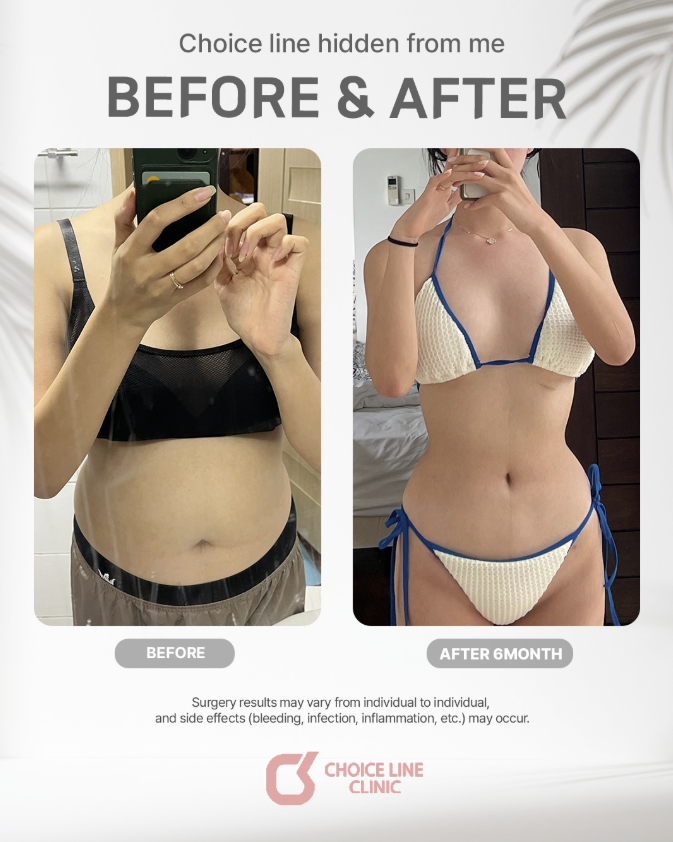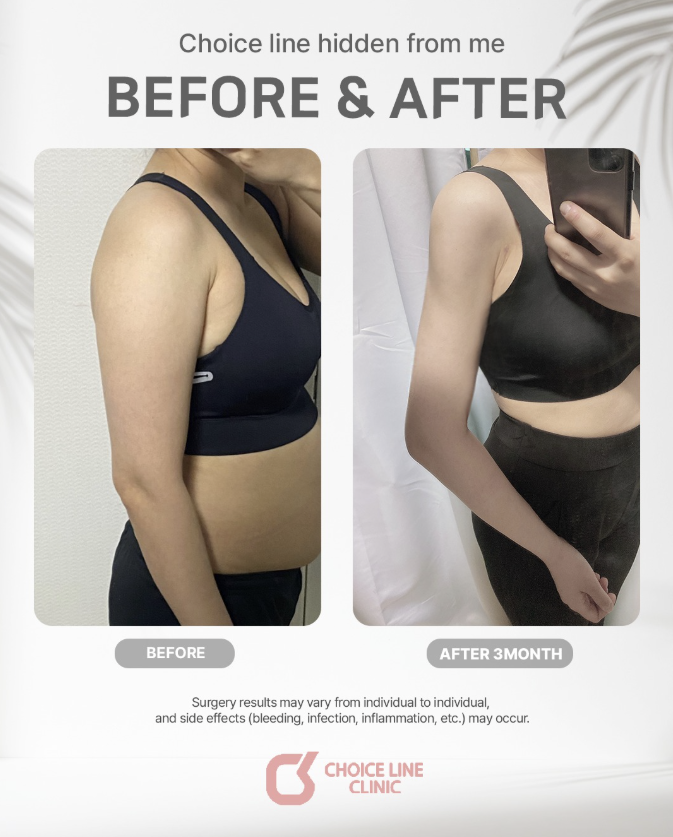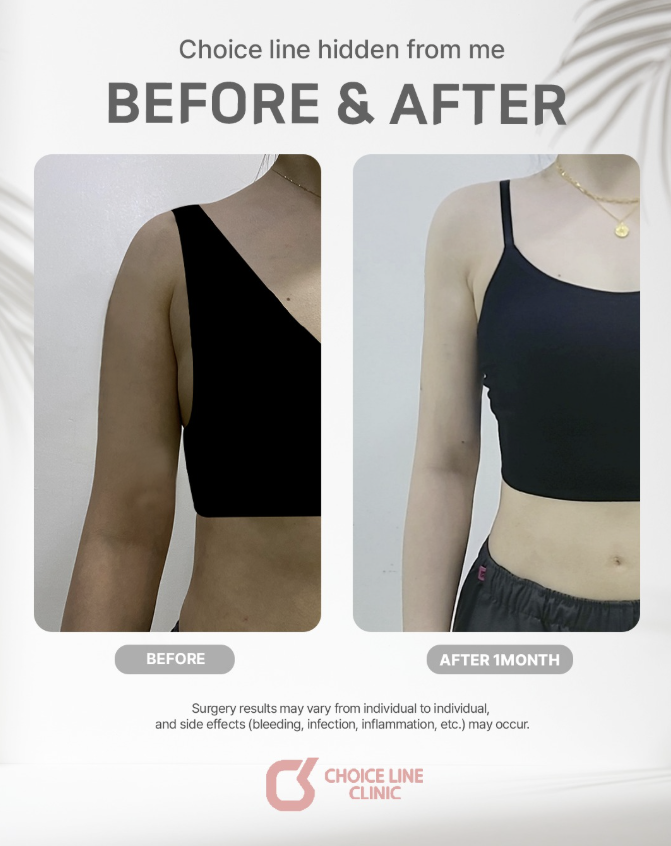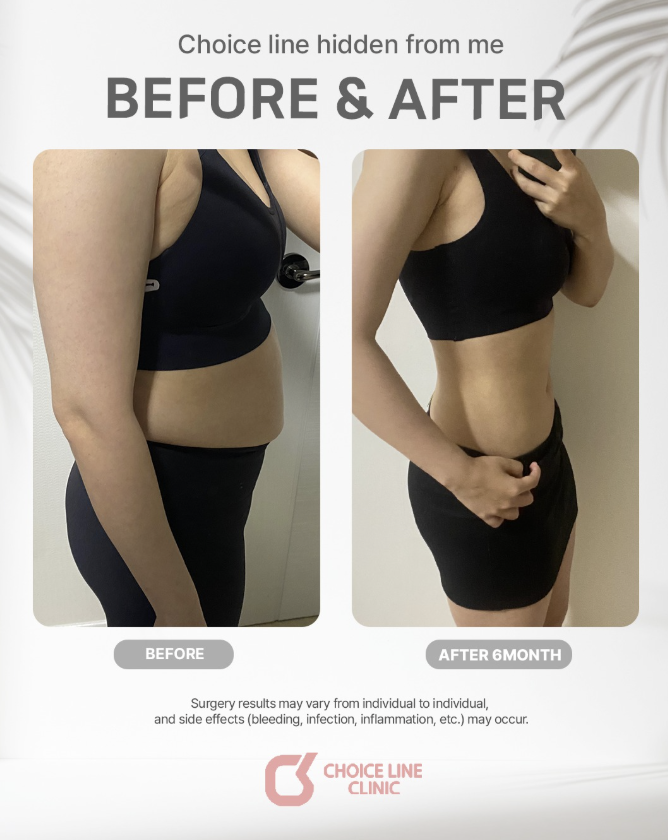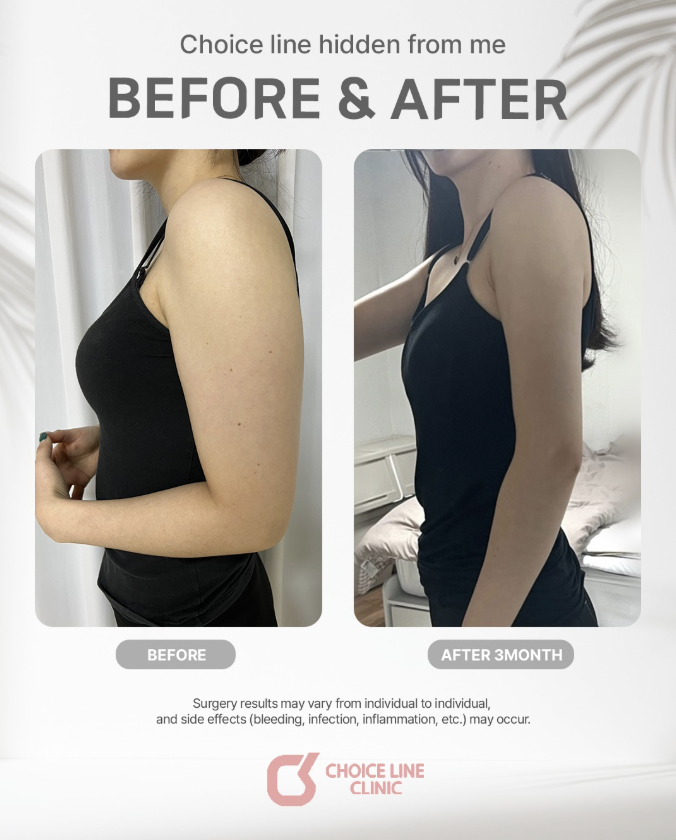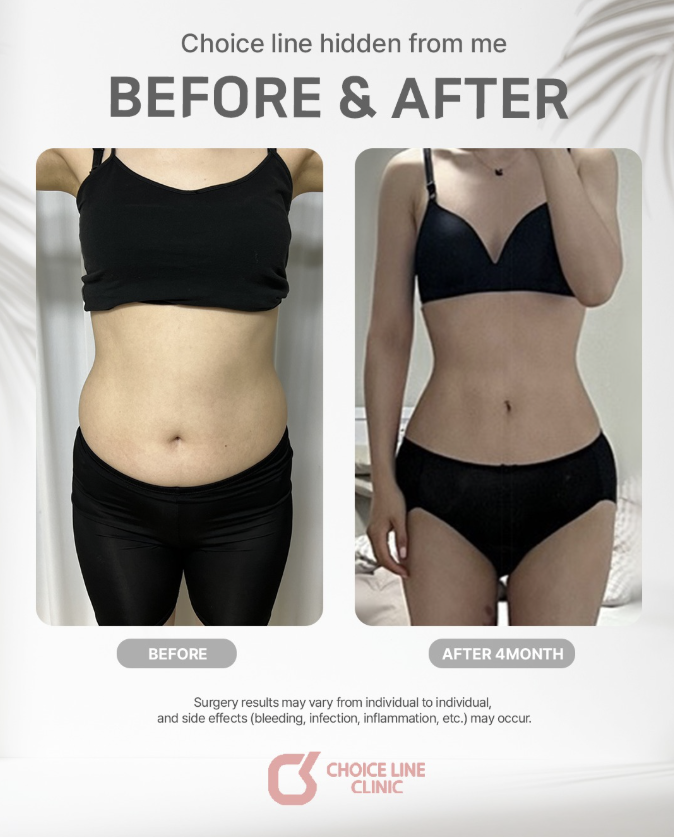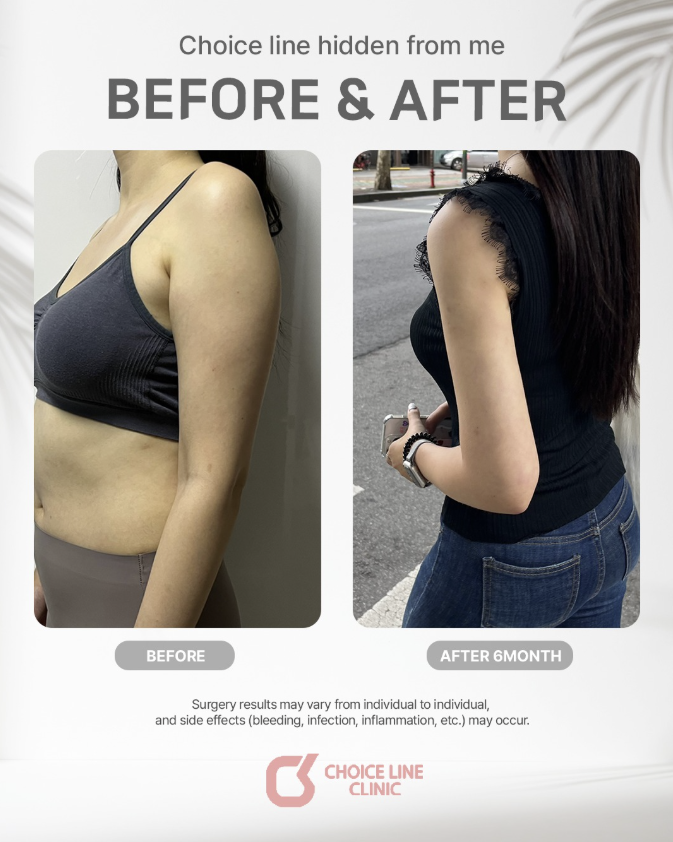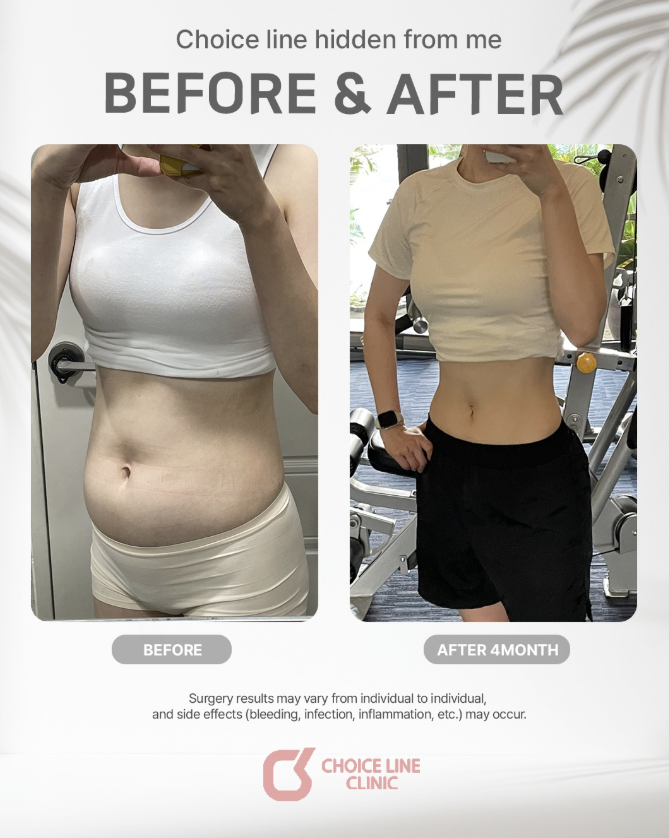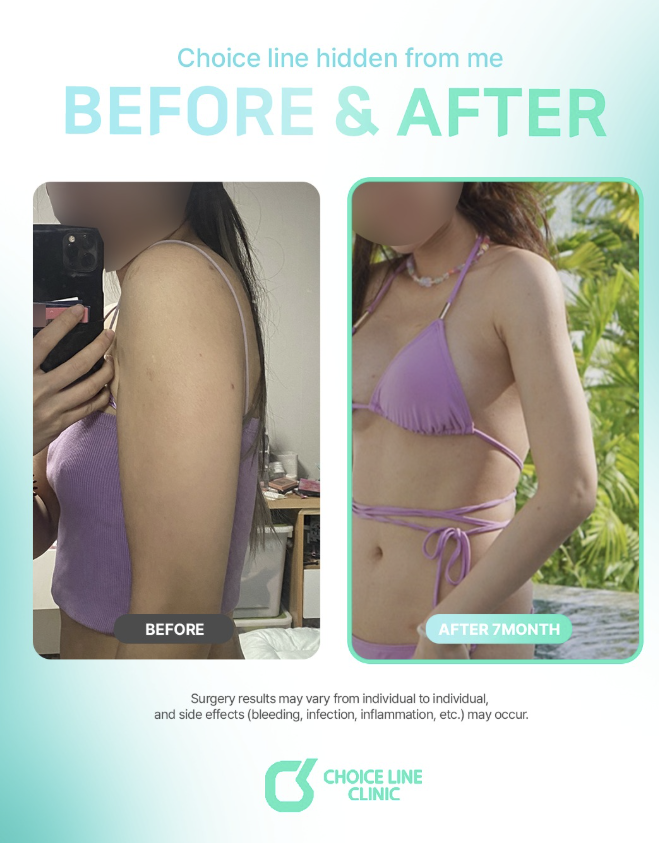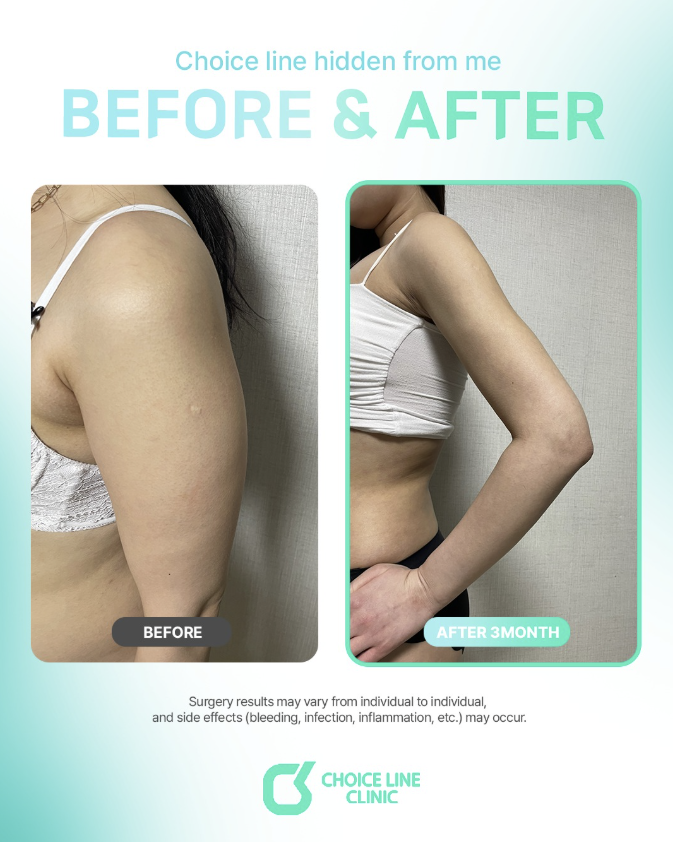

Back fat is a common concern, but the upper and lower back behave very differently. The tissue is thicker in some areas, the fat is more fibrous in others, and each zone affects a different part of your silhouette. Knowing these differences helps you understand why back liposuction plans are often divided into separate regions.
01 Mapping the Back
Surgeons usually divide the back into several zones:
- Upper back: the area around and between the shoulder blades
- Bra line: the band of fat at the level of a bra strap
- Mid-back: the area below the shoulder blades
- Lower back: above the buttocks and next to the spine
- Flanks: the sides of the lower torso, often treated with the lower back
Your plan may include one or several of these zones, depending on where fat collects and how it affects your outline. Marking is done while you stand so natural folds are visible.
02 Characteristics of Upper Back Fat
- Often more fibrous and dense than fat elsewhere
- Skin is thicker, which can help it settle smoothly
- Bulges may show around bra straps or fitted tops
- Fat removal can be more physically demanding for the surgeon
Because the tissue is denser, some surgeons use energy-assisted devices such as ultrasound or power-assisted cannulas in this area. The aim is a smooth, flat surface rather than visible definition.
Upper back fat can also become more noticeable with age and hormonal changes, even when overall body weight stays the same.
03 Characteristics of Lower Back Fat
- Fat tends to be softer and easier to remove
- The lower back strongly affects how the waist looks from behind
- It connects with the flanks and the top of the buttocks
- Over-treatment can flatten the natural curve above the buttocks
Preserving a gentle curve in the lower back is important for a natural silhouette, especially in women. In men, a straighter line is usually preferred.
04 What Back Liposuction Can Change
- Reduce rolls that show through fitted clothing
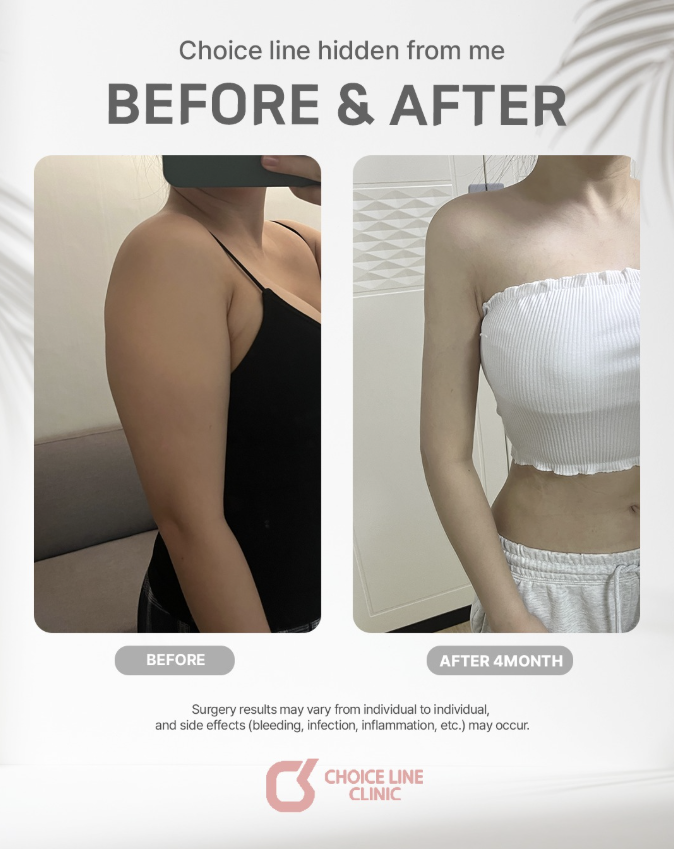
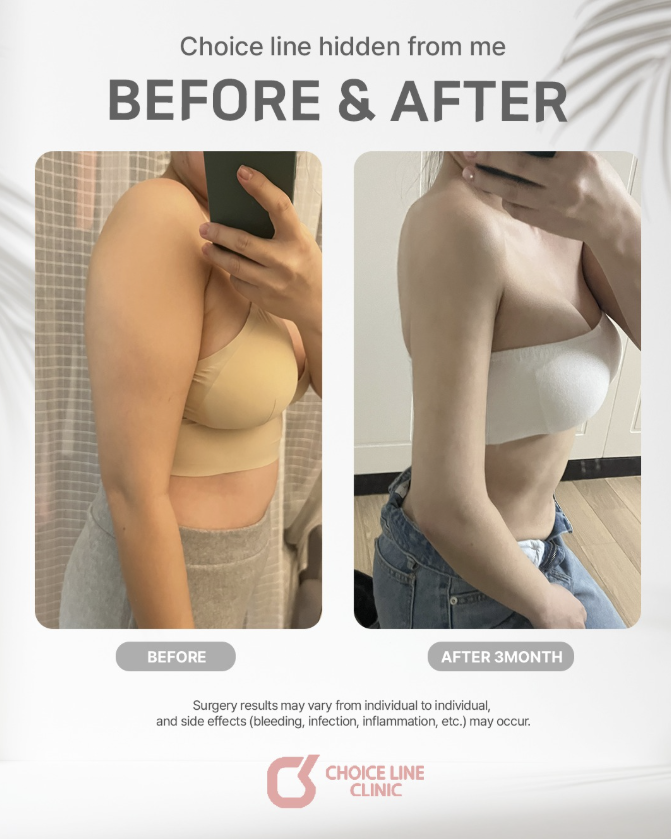
- Smooth the bra line and upper back bulges
- Create a cleaner waist line from behind
- Improve the transition from the back to the buttocks
Results are best described as a smoother, slimmer back rather than a different body shape. Your frame and posture still play a large role in the final look.
Many people notice the biggest everyday difference in how bras, shirts and dresses fit across the back.
05 Combining Upper and Lower Back Treatment
- Treating both can avoid a step-off between zones
- A combined plan may require repositioning during surgery
- Recovery covers a larger area, so comfort planning matters
- Some people prioritise one zone first and decide on the other later
Your surgeon will explain whether combining zones improves balance for your shape or simply adds recovery without much visible benefit.
06 Who May Be a Suitable Candidate?
- Localized, pinchable fat on the back
- Stable weight close to your goal
- Reasonable skin elasticity
- Good general health and no active smoking
- Realistic expectations about posture and frame
Back skin is often thick and resilient, which can help, but loose skin after weight loss may still limit what liposuction can achieve.
If posture is a major factor, physiotherapy or strengthening exercises may be suggested alongside or before surgery.
07 Recovery After Back Liposuction
- First days: soreness when lying on your back or reaching
- Weeks 1–4: compression garment covering the treated zones
- Months 1–3: swelling reduces and contours become clearer
- Months 3–6: the back usually looks close to final
Sleeping on your side or front can be more comfortable early on. Bra straps and tight waistbands may need adjusting until swelling settles, and gentle walking supports circulation.
08 Questions to Ask at Your Consultation
- Which back zones would make the biggest difference for me?
- Is my upper back fat fibrous, and how will you treat it?
- Should the flanks be included with the lower back?
- How will you preserve the natural curve above my buttocks?
- When can I return to work, exercise and wearing a bra comfortably?
Asking these questions helps you understand where your priorities lie and what the recovery will involve.
The upper back usually has denser, fibrous fat, while the lower back is softer and shapes the waist from behind. A good back liposuction plan treats each zone on its own terms and blends them for a smooth, natural silhouette.
This article is for general information only and is not medical advice. Suitability, technique and recovery differ for every person, so please discuss your situation with a qualified surgeon.