How Much Fat Can Be Removed Safely?
How Much Fat Can Be Removed Safely?
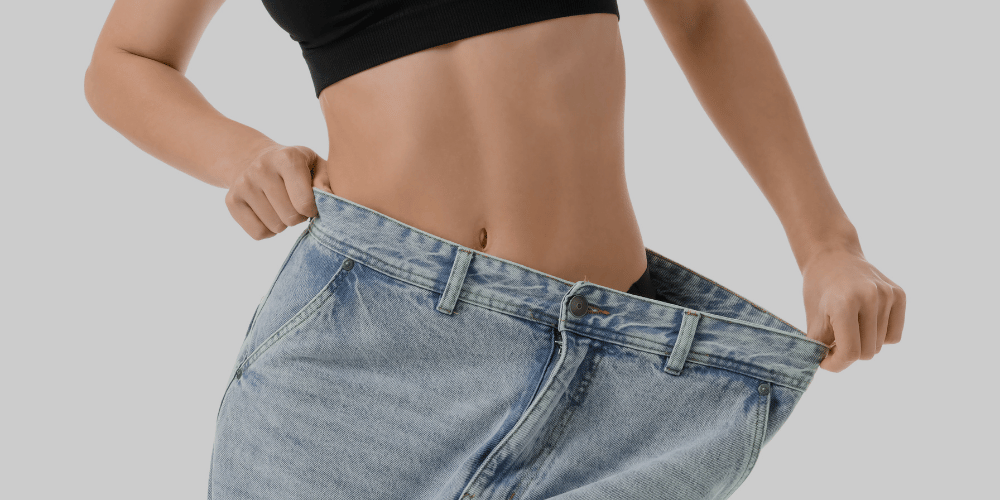
The amount of fat that can be safely removed during liposuction depends on medical safety guidelines, patient health, and surgical planning, not just aesthetic goals. In Korea and many other countries, surgeons follow strict limits to reduce risks such as fluid imbalance, blood loss, and complications.
General Safety Limits
There is no single universal number, but common clinical guidelines are:
- Small to moderate liposuction: usually 1–3 liters of fat
- Large-volume liposuction: often defined as 3–5 liters or more
- Some cases may exceed this, but only under strict medical supervision
Many surgeons avoid removing more than about 5 liters in a single session unless it is medically justified and closely monitored.
Why There Is a Limit
Removing too much fat at once can affect the body’s balance.
- Risk of fluid and electrolyte imbalance
- Increased bleeding and swelling
- Higher chance of complications
- Longer and more difficult recovery
- Skin irregularities if over-resection occurs
Safety is always prioritized over maximum fat removal.
Factors That Affect Safe Fat Removal
The safe amount varies from person to person.
- Body size and BMI
- Number of areas treated
- Overall health condition
- Type of anesthesia used
- Surgeon’s technique and experience
- Whether procedures are combined (e.g., multiple areas or surgeries)
Smaller individuals naturally have lower safe limits.
Large-Volume Liposuction Explained
Large-volume liposuction is used in specific cases.
- Typically defined as removing more than 3–5 liters
- Requires closer monitoring and sometimes hospital setting
- May involve longer operating time
- Often staged into multiple sessions for safety
It is not recommended for every patient.
What “Safe” Really Means
Safety is not just about volume—it includes overall surgical control.
- Balanced fat removal across body areas
- Preservation of natural contours
- Stable vital signs during surgery
- Proper post-operative care and monitoring
A smaller, well-contoured result is often safer and more natural than aggressive removal.
Korea-Specific Approach
In Korea, liposuction is often focused on body contouring rather than maximum fat extraction.
- Emphasis on proportion and symmetry
- Use of HD liposuction for sculpted results
- Conservative fat removal for smoother skin retraction
- Strong aftercare systems to manage swelling and healing
This approach helps maintain both safety and aesthetic refinement.
Risks of Removing Too Much Fat
Exceeding safe limits can increase complications.
- Excess fluid loss or imbalance
- Sagging or uneven skin
- Prolonged swelling and bruising
- Increased risk of infection or seroma
- Delayed recovery
This is why surgeons carefully plan volume removal.
Tips for International Patients
- Focus on body shape, not just fat volume
- Ask your surgeon what is safe for your body type
- Avoid clinics promising “maximum fat removal” without limits
- Understand that staged procedures may be safer for larger cases
- Prioritize safety and contour quality over single-session results
Final Thoughts
The amount of fat that can be safely removed during liposuction varies, but most procedures stay within a few liters per session to ensure safety and stable recovery. While larger volumes may be possible in certain cases, the goal is not maximum removal but balanced, natural, and safe body contouring results.