Body Contouring vs Weight Loss
Body Contouring vs Weight Loss
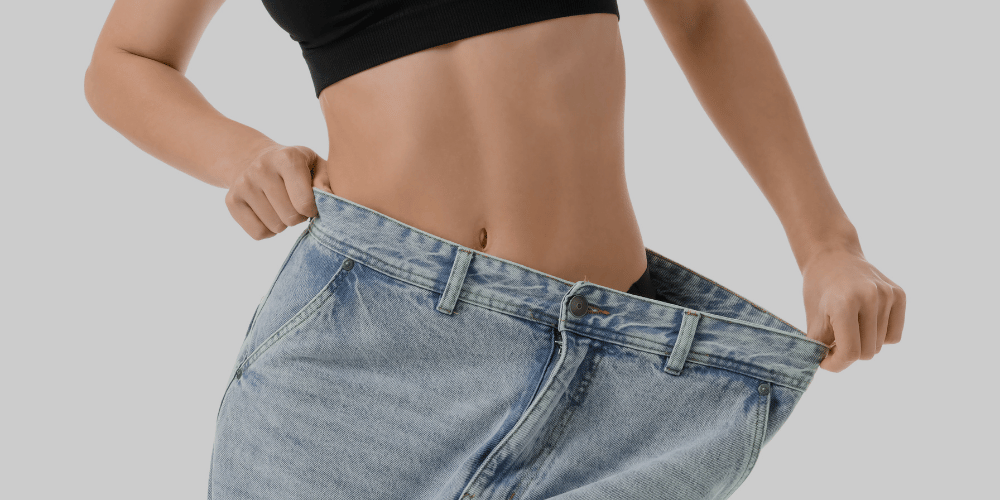
Body contouring and weight loss are often confused, but they serve very different purposes. In Korea, both approaches are commonly discussed in aesthetic clinics, yet they target different goals: shaping the body versus reducing overall body weight.
What Is Weight Loss?
Weight loss refers to reducing overall body mass.
- Achieved through diet, exercise, or medical interventions
- Reduces total body fat and sometimes muscle mass
- Affects the entire body, not specific areas
- Measured by scale weight (kg or lbs)
The goal is overall health improvement and fat reduction.
What Is Body Contouring?
Body contouring focuses on reshaping specific areas of the body.
- Includes liposuction and non-surgical treatments
- Targets localized fat deposits
- Improves body proportions and silhouette
- Does not necessarily change overall weight significantly
The goal is shape improvement, not weight reduction.
Key Differences in Purpose
The core difference lies in intent.
Weight Loss
- Reduces total body fat
- Improves metabolic health
- Affects entire body uniformly
- Requires lifestyle changes
Body Contouring
- Removes or reduces fat in specific areas
- Improves body shape and proportion
- Does not treat obesity or overall weight issues
- Focuses on aesthetic refinement
How Results Look Different
The visual outcome is not the same.
- Weight loss: overall slimmer body, but fat distribution remains
- Body contouring: targeted shaping (waist, abdomen, thighs, arms)
- Weight loss may leave loose skin
- Body contouring creates more defined lines and curves
Many patients combine both for best results.
Treatment Methods
Each approach uses different tools.
Weight Loss Methods
- Diet and calorie control
- Exercise programs
- Medication or metabolic treatments in some cases
Body Contouring Methods
- Liposuction (surgical fat removal)
- CoolSculpting (fat freezing)
- Fat dissolving injections
- Radiofrequency or ultrasound treatments
Limitations of Each Approach
Neither method is a complete solution alone.
Weight Loss
- Cannot target specific stubborn fat areas
- May result in uneven fat reduction
- Can cause loose skin after significant loss
Body Contouring
- Not suitable for large-scale weight reduction
- Does not address underlying obesity
- Requires stable weight for best results
Korea-Specific Perspective
In Korea, aesthetic medicine often combines both concepts.
- Body contouring is used for refined silhouette shaping
- Weight management is encouraged before surgery
- Liposuction is performed after weight stabilizes
- Emphasis on proportion rather than size alone
This creates more balanced and natural results.
Who Should Focus on Weight Loss?
- Individuals with high overall body fat
- Patients with obesity-related health concerns
- Those not yet close to ideal weight
- People needing metabolic improvement
Who Should Focus on Body Contouring?
- Individuals near ideal body weight
- People with stubborn fat pockets
- Those wanting improved body shape and proportion
- Patients seeking aesthetic refinement
Tips for International Patients
- Do not use body contouring as a weight loss solution
- Reach a stable weight before surgery for best results
- Combine healthy lifestyle habits with aesthetic treatments
- Ask clinics whether you are a better candidate for surgery or non-surgical options
- Focus on long-term maintenance, not quick fixes
Final Thoughts
Body contouring and weight loss are complementary but fundamentally different approaches. Weight loss focuses on reducing overall body mass, while body contouring focuses on refining shape and proportion. The best results often come from combining both strategies—achieving a stable weight first, then enhancing body contours for a more balanced and natural appearance.